


Heinrich Schütz
Das ist mir lieb (Psalm 116), SWV 51
Released Album
Recent Album
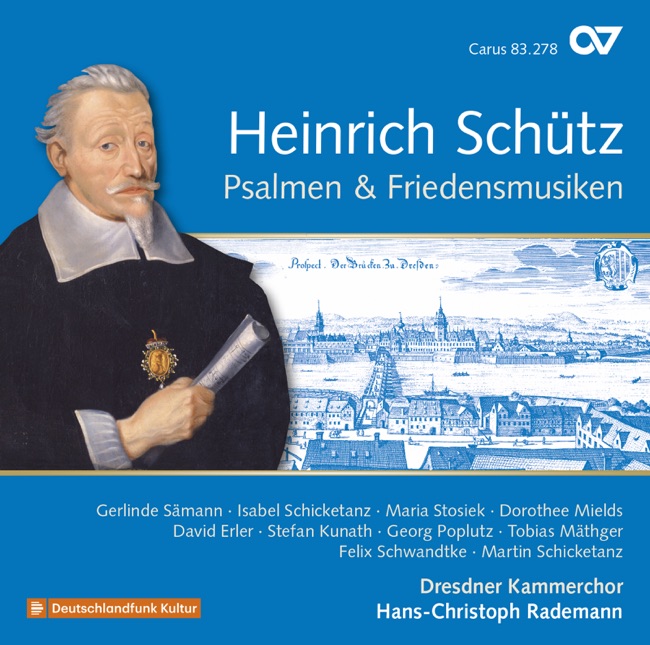
Featured Album
Works Info
Composer:Heinrich SchützGenre:ChoralStyle:PsalmAverage_duration:14:03Movement_count:6Movement ....Heinrich Schütz's 'Das ist mir lieb (Psalm 116), SWV 51' is a sacred vocal work composed in the early 17th century. The piece was likely composed during Schütz's time as Kapellmeister at the court of Elector Johann Georg I in Dresden, Germany. The premiere date of the work is unknown, but it was likely performed in a church setting. The piece is divided into three movements, each of which sets a different section of Psalm 116. The first movement is a setting of verses 1-4, the second movement sets verses 5-9, and the final movement sets verses 10-19. The text of the psalm is a prayer of thanksgiving and praise, and Schütz's music reflects this with its joyful and exuberant character. The first movement begins with a lively instrumental introduction, featuring a fanfare-like motif in the trumpets. The choir enters with a joyful and energetic setting of the psalm text, with frequent use of imitative polyphony and homophonic sections. The movement ends with a brief instrumental coda. The second movement is more introspective in character, with a slower tempo and more contemplative harmonies. The choir sings the text in a more subdued manner, with frequent use of suspensions and dissonances to create a sense of tension and release. The movement ends with a brief instrumental interlude. The final movement returns to the joyful character of the first, with a lively and energetic setting of the psalm text. The choir sings in a more declamatory style, with frequent use of homophonic sections and rhythmic syncopations. The movement ends with a triumphant instrumental coda, featuring a reprise of the fanfare-like motif from the first movement. Overall, 'Das ist mir lieb (Psalm 116), SWV 51' is a masterful example of Schütz's skill in setting sacred texts to music. The piece showcases his ability to create music that is both joyful and contemplative, and his use of imitative polyphony and homophonic sections creates a sense of unity and coherence throughout the work.More....
Works Music
Released Music
2
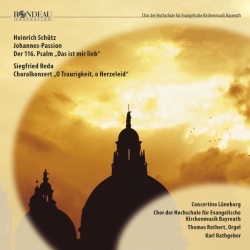
That is dear to me (Psalm 116), SWV 51
Prima parte. Das ist mir lieb, dass der Herr mein Stimm und Flehen höret
2:22
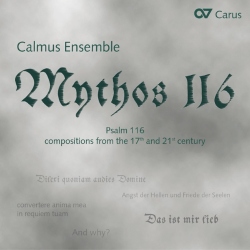
5
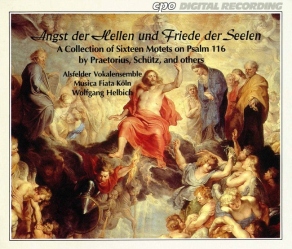
13:3
Featured Music
1
That is dear to me (Psalm 116), SWV 51
Das ist mir lieb (Ps. 116) à 5 Sammlung Großmann 1623, SWV 51
12:14