


Karl Rathgeber
Released Album
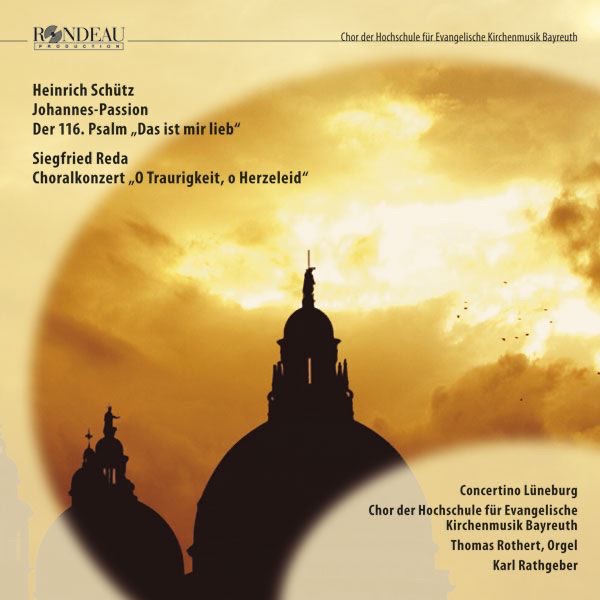
Artist Info
Role:Conductor PerformerKarl Rathgeber was a German composer, conductor, and music teacher who lived from 1828 to 1902. He was born in the town of Würzburg, in the state of Bavaria, on August 22, 1828. His father was a musician and music teacher, and he began teaching Karl music at a young age. Karl showed a natural talent for music, and his father encouraged him to pursue a career in music. Karl studied music at the Würzburg Conservatory, where he learned to play the piano, violin, and organ. He also studied composition and conducting, and he showed a particular talent for these areas. After completing his studies, Karl began working as a music teacher and conductor in various towns in Germany. In 1856, Karl was appointed as the conductor of the orchestra at the Court Theater in Meiningen. This was a prestigious position, and it gave Karl the opportunity to work with some of the best musicians in Germany. He quickly gained a reputation as a talented conductor, and he was soon invited to conduct orchestras in other cities. One of the highlights of Karl's career was his performance of Beethoven's Ninth Symphony in 1862. This was a challenging piece of music, and many conductors struggled to bring out the full beauty of the music. However, Karl's performance was widely praised, and it helped to establish him as one of the leading conductors in Germany. In addition to his work as a conductor, Karl was also a prolific composer. He wrote many pieces of music, including symphonies, operas, and chamber music. His music was influenced by the Romantic style, and it was known for its emotional depth and beauty. One of Karl's most famous compositions was his opera, "The Magic Flute." This opera was based on the story by Mozart, and it was a great success when it premiered in 1875. The music was praised for its beauty and complexity, and it helped to establish Karl as one of the leading composers of his time. Karl's contributions to music were recognized with many awards and honors. In 1879, he was awarded the Order of the Red Eagle, which was one of the highest honors that could be given to a musician in Germany. He was also awarded the title of "Royal Professor" in 1882, which was a rare honor for a musician. Despite his success, Karl remained humble and dedicated to his work. He continued to teach music and conduct orchestras until his death in 1902. His legacy lives on through his music, which continues to be performed and enjoyed by music lovers around the world.More....
Recent Artist Music
1
That is dear to me (Psalm 116), SWV 51
Prima parte. Das ist mir lieb, dass der Herr mein Stimm und Flehen höret
2:22
Copyright Ⓒ 2013 Davinci Finger. All rights reseved
Service Terms & Policy