


Franz Tunder
Prelude for organ in G minor
Released Album
Recent Album
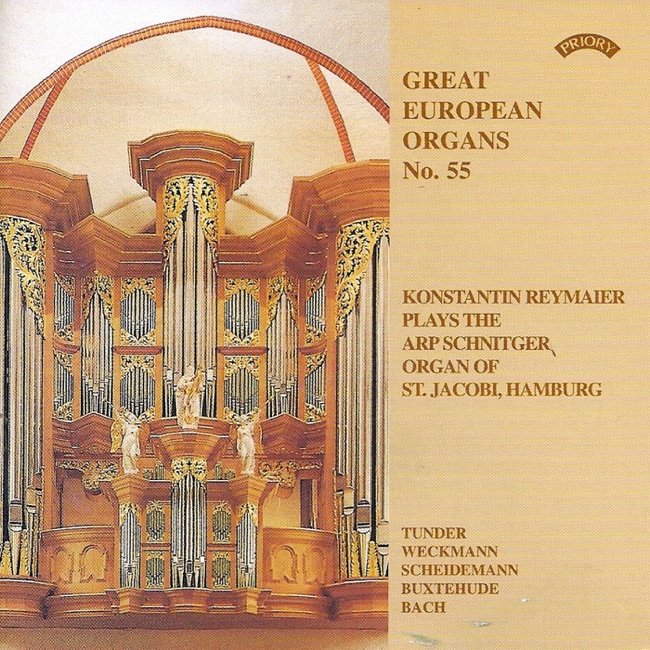
Works Info
Composer:Franz TunderGenre:KeyboardStyle:PreludeAverage_duration:4:34Franz Tunder was a German composer and organist who lived from 1614 to 1667. He was born in Lübeck, Germany, and spent most of his life there. Tunder was a prominent figure in the North German Baroque school of music, and his works were highly influential in the development of the organ prelude. One of Tunder's most famous works is his Prelude for organ in G minor. This piece was composed in the mid-17th century and is considered a masterpiece of the Baroque era. It is a short piece, lasting only a few minutes, but it is highly expressive and showcases Tunder's skill as an organist and composer. The Prelude for organ in G minor is typically performed in three movements. The first movement is marked "Adagio" and is characterized by a slow, mournful melody played on the organ's lower registers. This movement sets the tone for the entire piece, which is somber and introspective. The second movement is marked "Allegro" and is much more lively than the first. It features a faster tempo and a more complex melody, with the organist playing intricate runs and arpeggios. This movement is a stark contrast to the first, and it serves to break up the melancholy mood of the piece. The final movement is marked "Adagio" and returns to the slow, mournful melody of the first movement. This movement is more complex than the first, with the organist playing more intricate harmonies and counterpoint. It builds to a climax before resolving back to the somber melody of the opening. Overall, the Prelude for organ in G minor is a highly expressive and emotional piece of music. It showcases Tunder's skill as a composer and organist, and it is a testament to the power of the Baroque era's music. The piece premiered in the mid-17th century and has since become a staple of the organ repertoire.More....
Works Music
Released Music
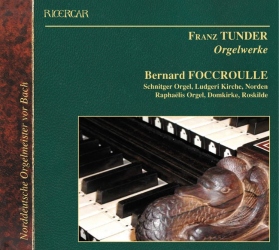
3
3:41
5
5:32