Dietrich Buxtehude
Wär Gott nicht mit uns diese Zeit, BuxWV 102
Released Album
Recent Album
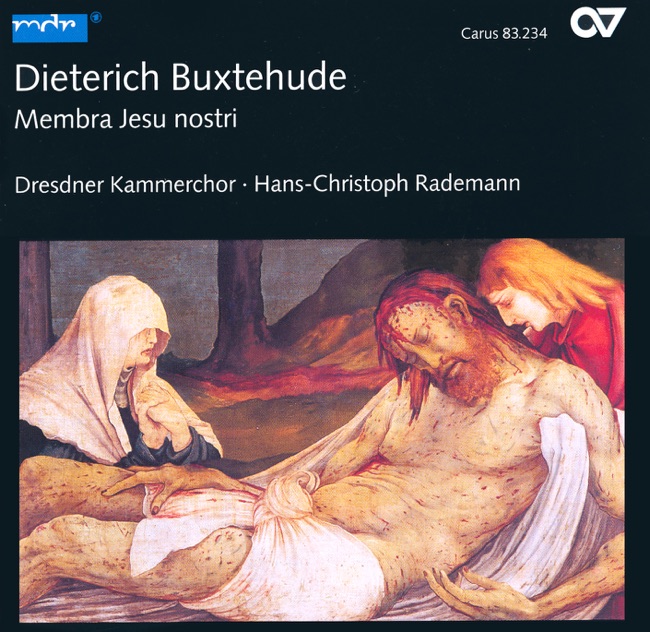
Featured Album
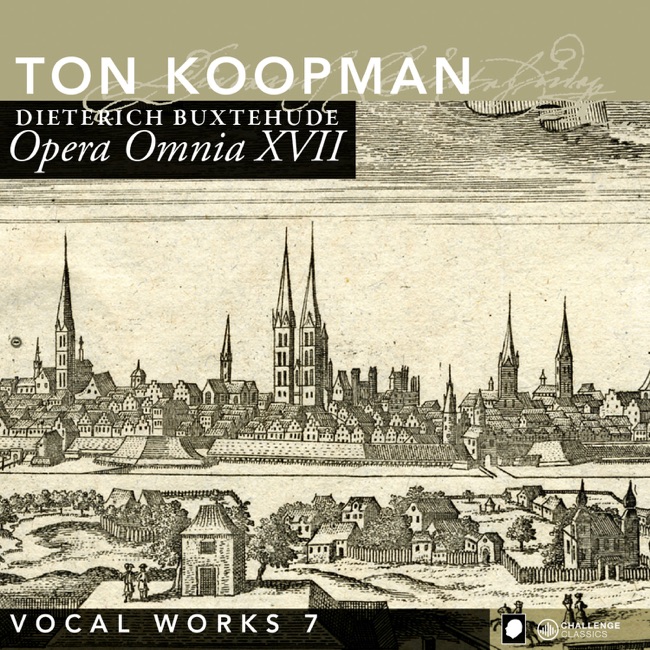
Works Info
Composer:Dietrich BuxtehudeGenre:ChoralStyle:ChoralAverage_duration:4:12Dietrich Buxtehude's 'Wär Gott nicht mit uns diese Zeit' is a sacred cantata composed for four voices, two violins, viola da gamba, and basso continuo. The piece was composed in the late 17th century, around 1675-1680, during Buxtehude's tenure as the organist at the Marienkirche in Lübeck, Germany. The cantata is divided into six movements, each with its own distinct character and musical style. The first movement is a lively and rhythmic chorus, with the voices and instruments interweaving in a joyful celebration of God's protection. The second movement is a duet for soprano and bass, with the two voices intertwining in a beautiful and expressive melody. The third movement is a solo for alto, with the violins and viola da gamba providing a delicate and intricate accompaniment. The fourth movement is a trio for soprano, tenor, and bass, with the voices weaving in and out of each other in a complex and harmonically rich texture. The fifth movement is a solo for bass, with the violins and viola da gamba providing a mournful and somber accompaniment. The final movement is a lively and joyful chorus, with the voices and instruments coming together in a triumphant celebration of God's protection and grace. Overall, 'Wär Gott nicht mit uns diese Zeit' is a beautiful and expressive work, showcasing Buxtehude's mastery of counterpoint, harmony, and melody. The piece is characterized by its intricate and complex textures, its use of expressive and emotive melodies, and its joyful and celebratory spirit. It premiered in Lübeck, Germany, during Buxtehude's tenure as the organist at the Marienkirche, and has since become a beloved and frequently performed work in the sacred music repertoire.More....
Works Music