Johann Sebastian Bach
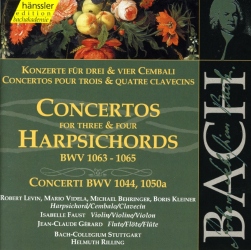
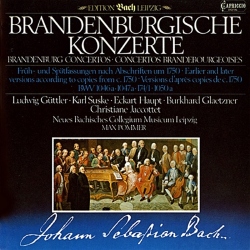
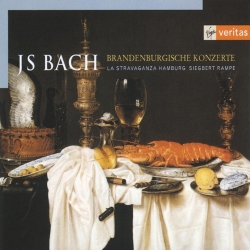
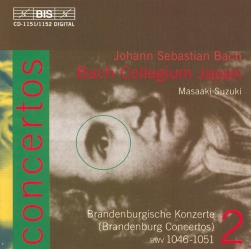
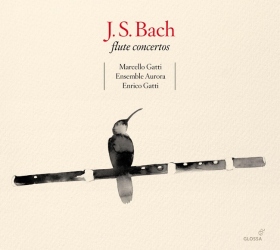
Concerto for flute in D major, BWV 1050a
Released Album
Recent Album

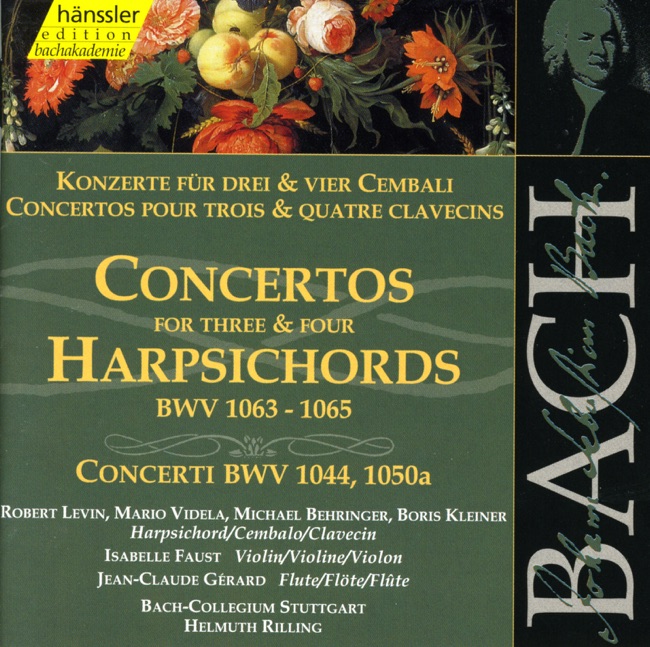
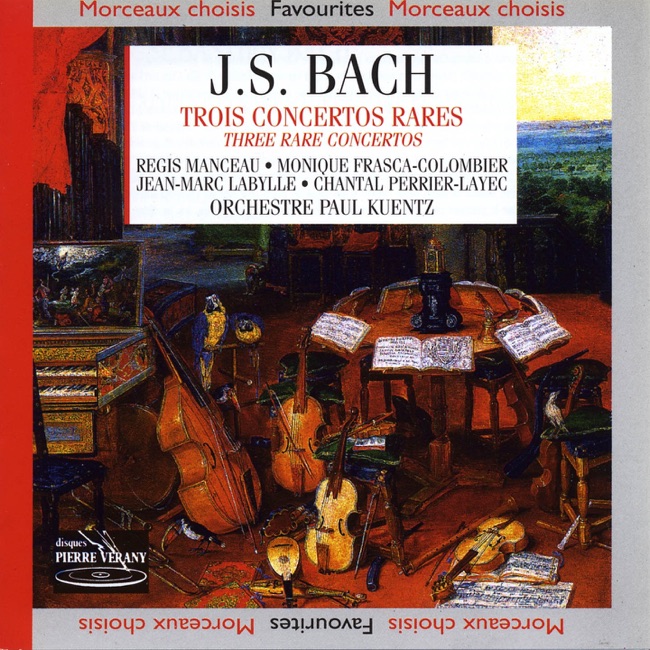
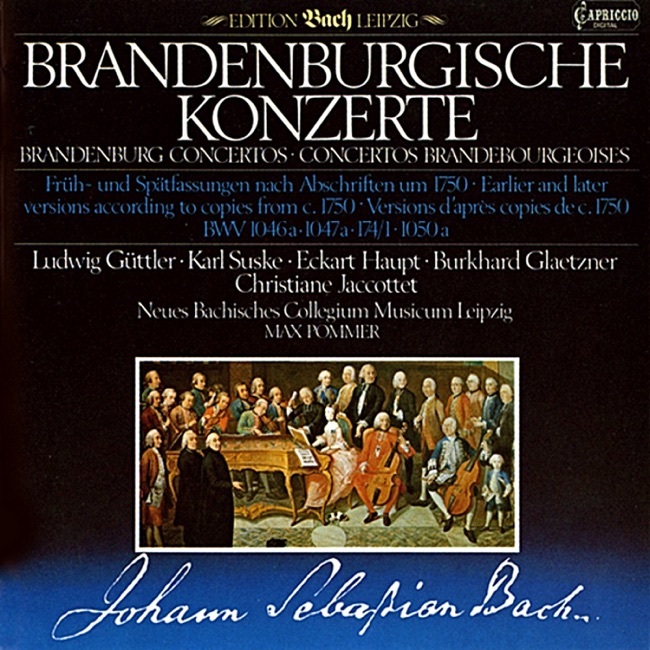
Featured Album
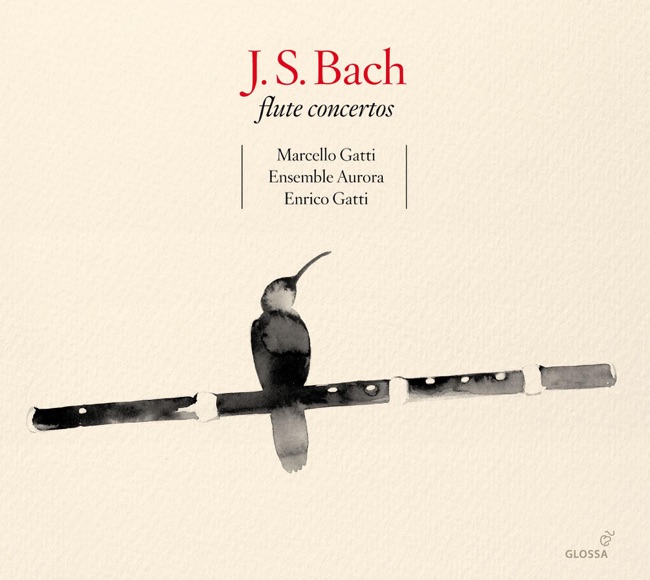
Works Info
Composer:Johann Sebastian BachGenre:ConcertoStyle:ConcertoCompose Date:1719Average_duration:18:06Movement_count:3Movement ....Johann Sebastian Bach's Concerto for flute in D major, BWV 1050a, is a work that has been the subject of much debate among musicologists. It is believed to have been composed in the early 1720s, although the exact date is uncertain. The work was originally written for harpsichord, but it has been transcribed for various instruments, including the flute. The concerto is in three movements, with the first and third movements in fast tempo and the second movement in slow tempo. The first movement is in ritornello form, with the solo flute alternating with the orchestra. The second movement is a beautiful aria, with the flute playing a lyrical melody over a simple accompaniment. The third movement is a lively dance, with the flute and orchestra trading off melodic material. One of the most striking characteristics of this concerto is its use of counterpoint. Bach was a master of counterpoint, and he uses it extensively in this work. The solo flute and the orchestra engage in a complex interplay of melodic lines, with each voice contributing to the overall texture of the music. Another notable feature of this concerto is its use of ornamentation. Bach was known for his elaborate ornamentation, and he employs it extensively in this work. The solo flute is particularly virtuosic, with fast runs and trills adding to the overall excitement of the music. Overall, Bach's Concerto for flute in D major, BWV 1050a, is a masterpiece of Baroque music. Its intricate counterpoint, virtuosic solo flute part, and elaborate ornamentation make it a challenging and rewarding work for performers and listeners alike.More....
Works Music
Released Music
1
5:6
2
8:28
3

7:34
4
7:53
5
5:13
6
7:34
8
8:7
Featured Music
2
7:4
3
5:14
4
8:6
5
7:33
6
5:13
7
5:7