


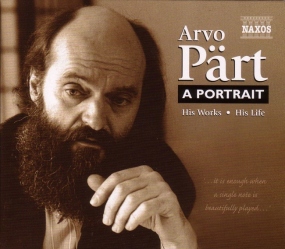
Arvo Pärt
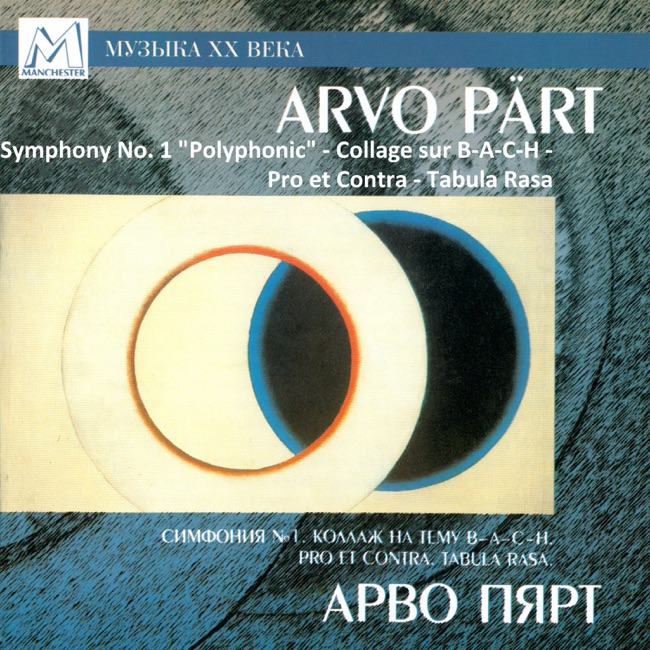
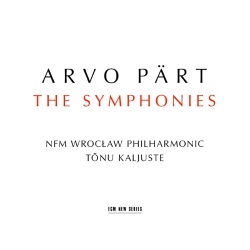
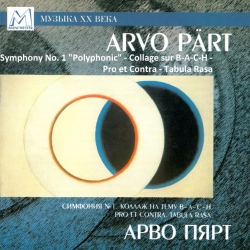
Symphony No. 1, Op. 9 "Polyphonic"
Released Album
Recent Album
-

-
-
 Congress-OrchestraFebruary 24, 2017
 -
-
-
-
-
Featured Album
Works Info
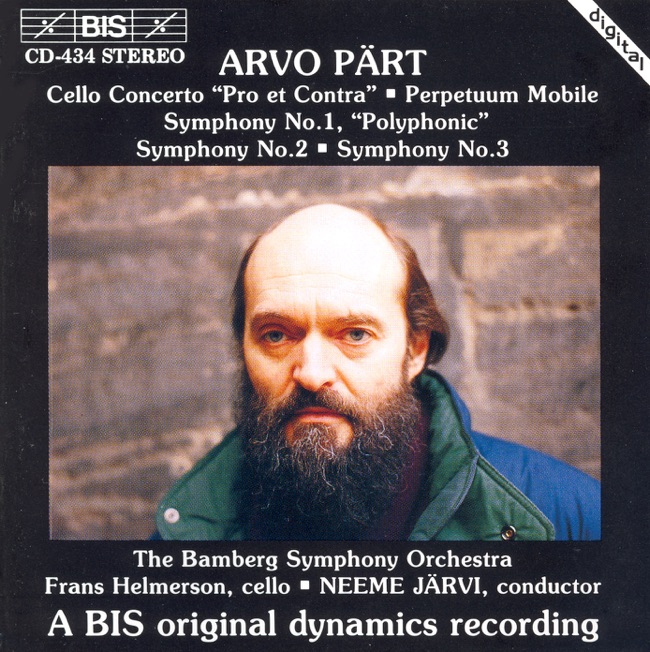
Composer:Arvo PärtGenre:SymphonyStyle:SymphonyCompose Date:1963Average_duration:18:28Movement_count:2Movement ....Arvo Pärt's Symphony No. 1, Op. 9 Polyphonic is a significant work in the composer's oeuvre. It was composed in 1963 and premiered on April 10, 1964, in Tallinn, Estonia. The symphony is divided into four movements, each with its own distinct character and musical language. The first movement, marked "Canons," is a study in counterpoint. Pärt employs a variety of canonic techniques, including strict imitation and inversion, to create a complex web of interlocking melodies. The movement is characterized by its rhythmic vitality and intricate textures. The second movement, "Prelude and Fugue," is a nod to the Baroque tradition. The prelude is a slow, meditative piece that sets the stage for the fugue, which is a lively and virtuosic exploration of contrapuntal techniques. The movement is notable for its use of chromaticism and dissonance, which create a sense of tension and release. The third movement, "Cantus in Memory of Benjamin Britten," is perhaps the most famous of the symphony. It is a hauntingly beautiful elegy for the English composer, who had recently passed away. The movement is built around a simple, descending melody that is repeated and varied throughout. The melody is accompanied by a slowly shifting harmonic background, which creates a sense of timelessness and transcendence. The final movement, "Toccata," is a lively and energetic piece that brings the symphony to a thrilling conclusion. Pärt employs a variety of rhythmic and melodic devices, including ostinato patterns and rapid scalar passages, to create a sense of forward momentum. The movement is characterized by its virtuosic writing for the orchestra and its exuberant spirit. Overall, Symphony No. 1, Op. 9 Polyphonic is a masterful work that showcases Pärt's skill as a composer and his deep understanding of the traditions of Western classical music. The symphony is notable for its use of counterpoint, its exploration of chromaticism and dissonance, and its ability to create a sense of timelessness and transcendence.More....
Works Music
Released Music

3
9:18

Featured Music
Main Perform Artists