


Arvo Pärt
Symphony No. 2
Released Album
Recent Album
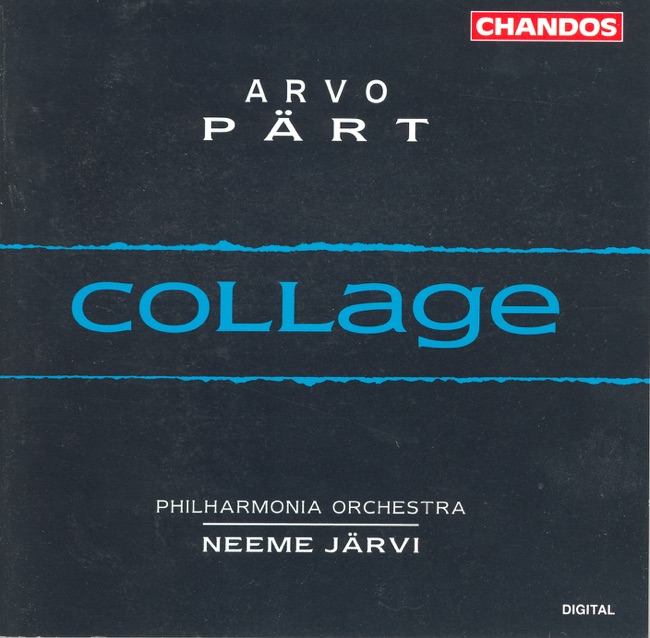
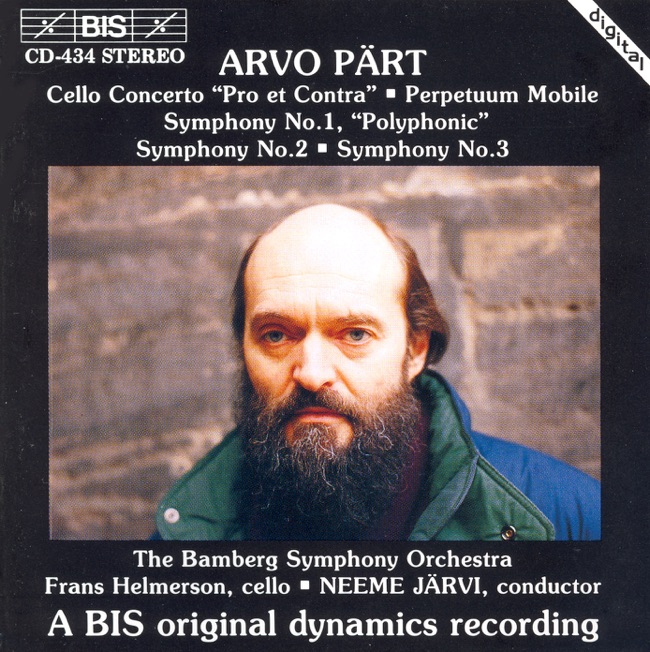
Featured Album
Works Info
Composer:Arvo PärtGenre:SymphonyStyle:SymphonyCompose Date:1966Average_duration:14:35Movement_count:3Movement ....Arvo Pärt's Symphony No. 2 is a four-movement work that was composed in 1966. The piece premiered on April 22, 1967, in Tallinn, Estonia, with the Estonian Radio Symphony Orchestra conducted by Neeme Järvi. The first movement, marked "Allegro," is characterized by its driving rhythms and energetic melodies. The movement is in sonata form, with a lively exposition followed by a more contemplative development section. The movement ends with a recapitulation of the opening material, bringing the movement to a thrilling close. The second movement, marked "Andante," is a slow and meditative piece that features a hauntingly beautiful melody played by the strings. The movement is structured around a series of variations on this melody, with each variation exploring different harmonies and textures. The movement ends with a return to the original melody, played softly and delicately by the strings. The third movement, marked "Allegro molto," is a lively and playful scherzo. The movement is characterized by its syncopated rhythms and playful melodies, with the various sections of the orchestra trading off musical ideas. The movement ends with a brief coda that brings the energy of the scherzo to a sudden halt. The final movement, marked "Allegro," is a triumphant and celebratory piece that brings the symphony to a thrilling conclusion. The movement is structured around a series of variations on a lively and energetic theme, with each variation building in intensity and complexity. The movement ends with a grand coda that brings together all of the musical ideas from the previous movements, bringing the symphony to a thrilling and satisfying close. Overall, Arvo Pärt's Symphony No. 2 is a powerful and emotionally charged work that showcases the composer's skill at crafting complex and engaging musical structures. The symphony is characterized by its driving rhythms, haunting melodies, and intricate harmonies, and it remains a beloved work in the classical repertoire to this day.More....
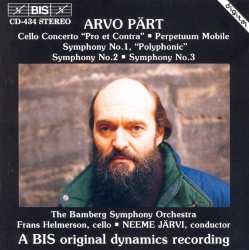
Main Perform Artists