


Franz Joseph Haydn
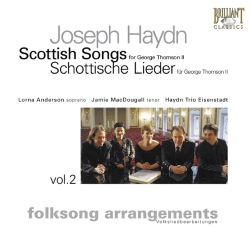
I canna come ilke day to woo, H. 31a/140bis
Released Album
Recent Album
Works Info
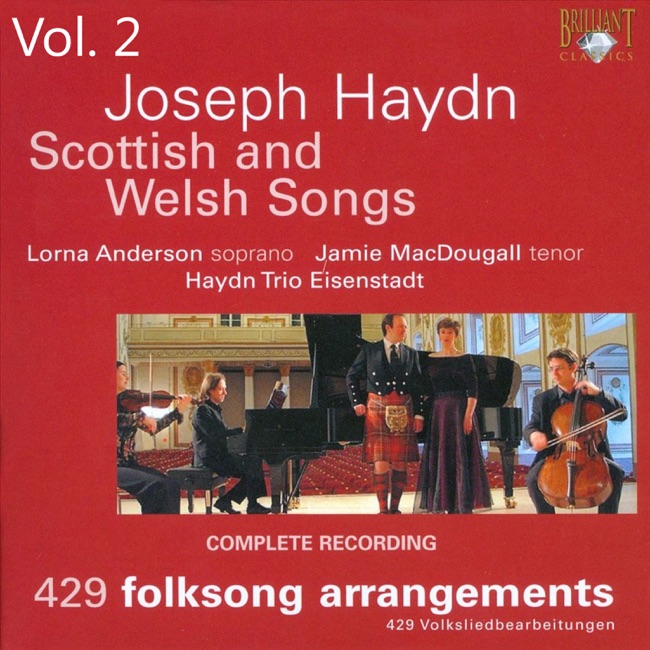
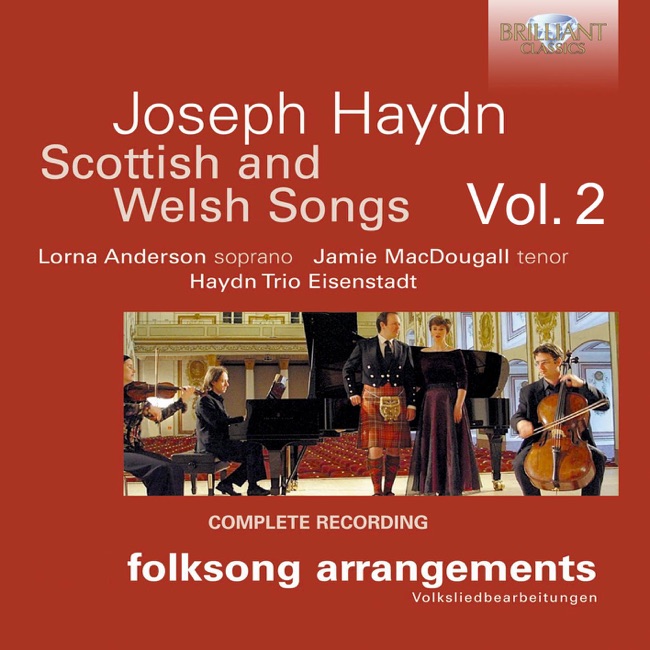
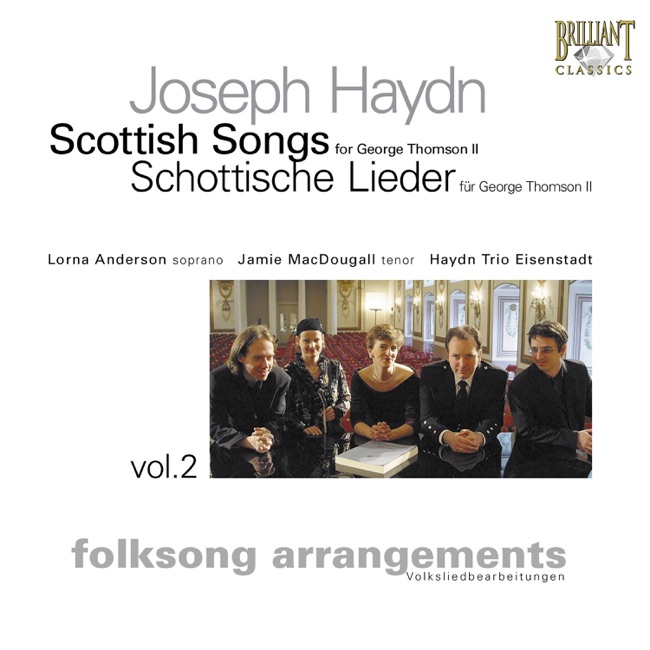
Composer:Franz Joseph HaydnGenre:VocalStyle:Vocal MusicCompose Date:1801Average_duration:1:54"I canna come ilke day to woo" is a Scottish folk song arranged by Franz Joseph Haydn. The composition is cataloged as H. 31a/140bis and was likely composed in the late 1790s. The piece was first performed in London in 1799. The composition is a set of variations on the Scottish folk song, which tells the story of a young man who cannot come to woo his love every day because he has to work. The variations are based on the melody of the folk song, which is presented in the opening section of the piece. Haydn then proceeds to vary the melody in a number of ways, including changing the rhythm, adding ornamentation, and altering the harmony. The piece is divided into six movements, each of which is a variation on the original melody. The first movement is a simple presentation of the melody, followed by a variation in which the melody is played in the left hand while the right hand plays a simple accompaniment. The third movement is a lively variation in which the melody is played in a fast, syncopated rhythm. The fourth movement is a slow, lyrical variation in which the melody is played with a great deal of ornamentation. The fifth movement is a variation in which the melody is played in a minor key, giving it a more melancholy feel. The final movement is a lively variation in which the melody is played in a fast, dance-like rhythm. Overall, "I canna come ilke day to woo" is a charming and playful composition that showcases Haydn's skill as a composer. The variations on the Scottish folk song are inventive and engaging, and the piece as a whole is a testament to Haydn's ability to take a simple melody and turn it into a complex and beautiful work of art.More....
Works Music
Released Music
1
1:54
2

1:54
3
1:54