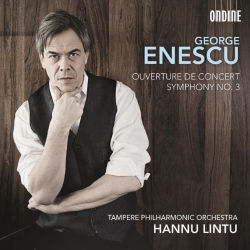
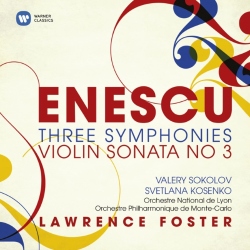
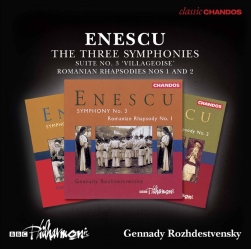
George Enescu
Symphony No. 3 in C major, Op. 21
Released Album
Recent Album
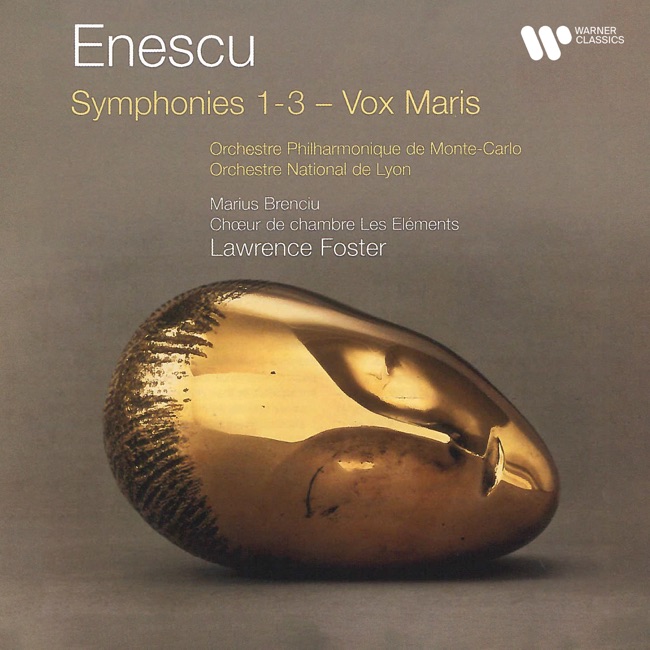
Featured Album
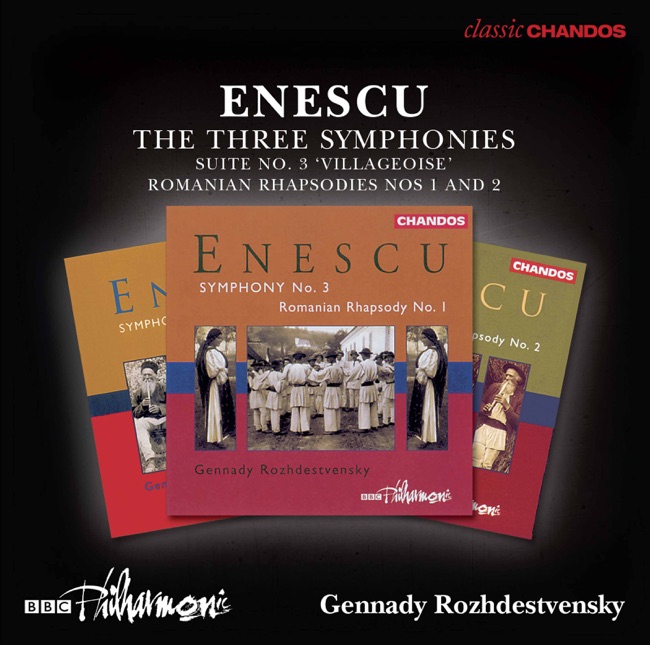
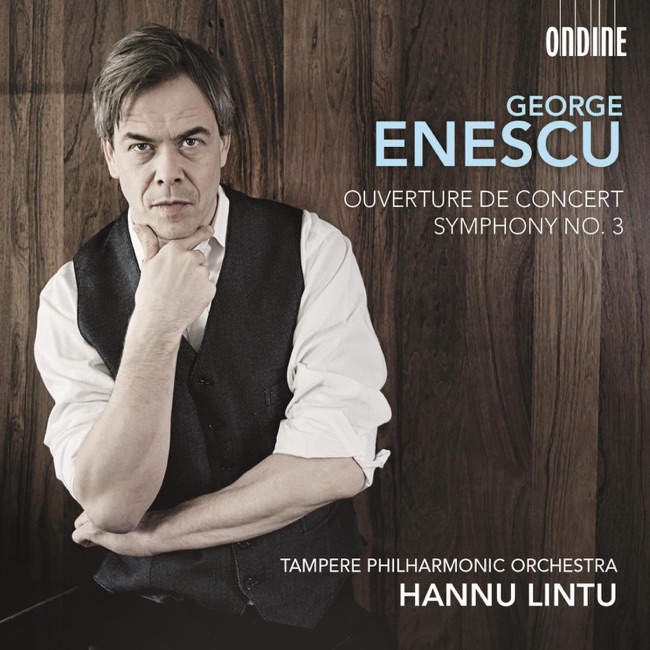
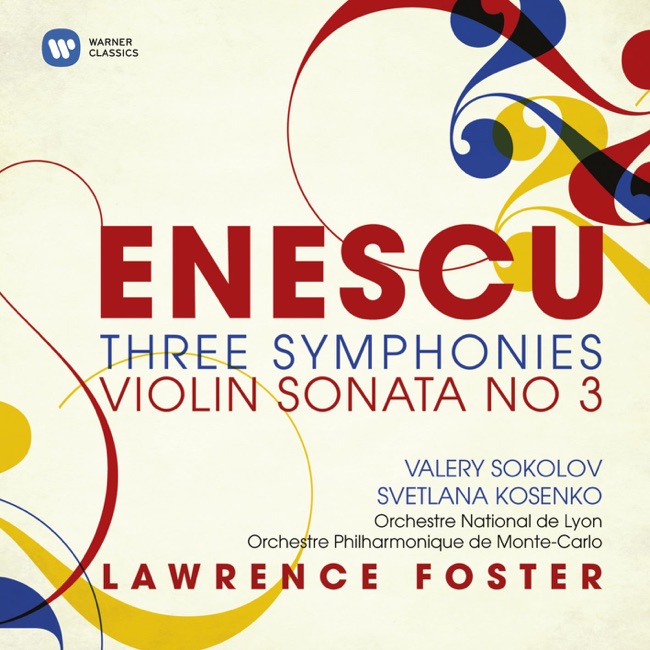
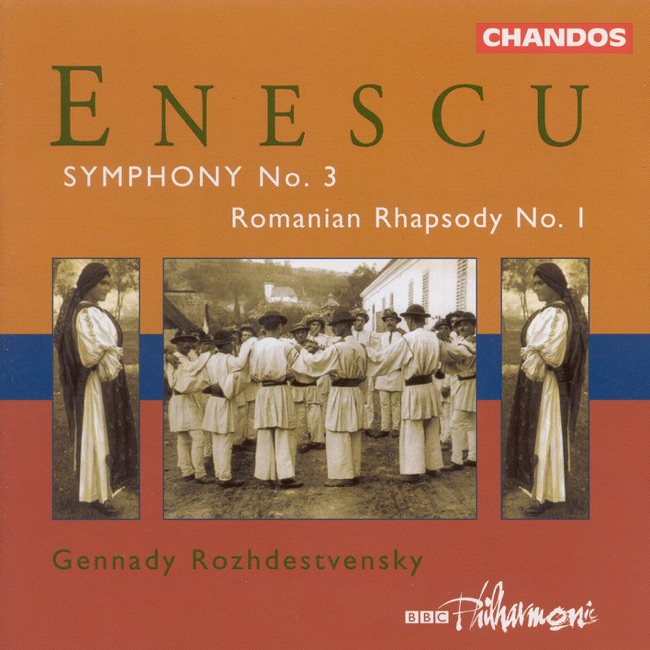
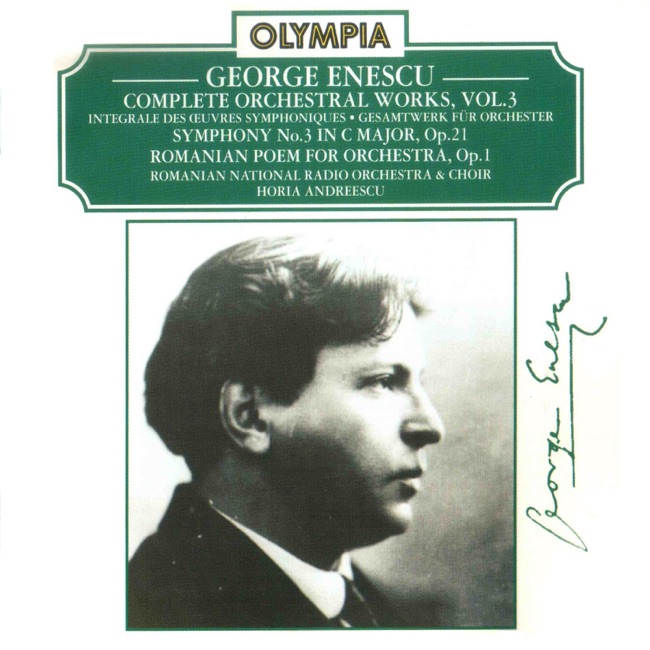
Works Info
Composer:George EnescuGenre:SymphonyStyle:SymphonyCompose Date:May 18, 1916 - Aug 20, 1918First Performance:May 25, 1919Average_duration:48:53Movement_count:3Movement ....Symphony No. 3 in C major, Op. 21, is a composition by the Romanian composer George Enescu. It was composed between 1916 and 1918, during World War I, and premiered on February 21, 1921, in Bucharest, Romania. The symphony is divided into four movements and has a total duration of approximately 45 minutes. The first movement, marked Allegro molto moderato, begins with a slow introduction featuring a lyrical theme played by the strings. The main body of the movement is characterized by a lively and energetic theme played by the woodwinds and brass. The development section explores various themes and motifs from the introduction and the main theme, leading to a powerful climax before the recapitulation. The second movement, marked Andante molto moderato, is a lyrical and introspective piece featuring a beautiful melody played by the strings. The theme is developed throughout the movement, with various instruments taking turns to play it. The movement ends with a quiet and peaceful coda. The third movement, marked Scherzo: Vivace, is a lively and playful piece featuring a fast and rhythmic theme played by the strings. The middle section of the movement is more subdued, with a slower and more lyrical theme played by the woodwinds. The scherzo theme returns, leading to a frenzied and exciting conclusion. The fourth and final movement, marked Allegro con spirito, is a triumphant and celebratory piece featuring a majestic theme played by the brass. The theme is developed throughout the movement, with various instruments taking turns to play it. The movement ends with a powerful and energetic coda. Overall, Symphony No. 3 in C major, Op. 21, is a masterful work that showcases Enescu's skill as a composer. The symphony is characterized by its lyrical melodies, intricate harmonies, and complex rhythms. It is a testament to Enescu's ability to blend traditional classical forms with the folk music of his native Romania, creating a unique and powerful musical language.More....
Works Music
Released Music
Featured Music
2
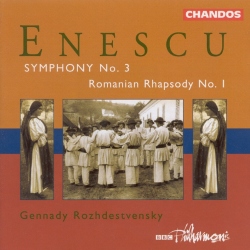
Symphony No. 3 in C major, Op. 21
Vivace ma non troppo - Largo pesante - Vivace ma non troppo
15:24