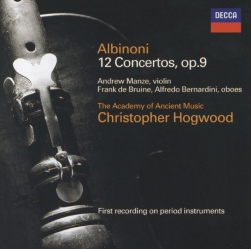
Tomaso Albinoni
Concerto à cinque, Op. 9 No. 7 in D major
Released Album
Recent Album

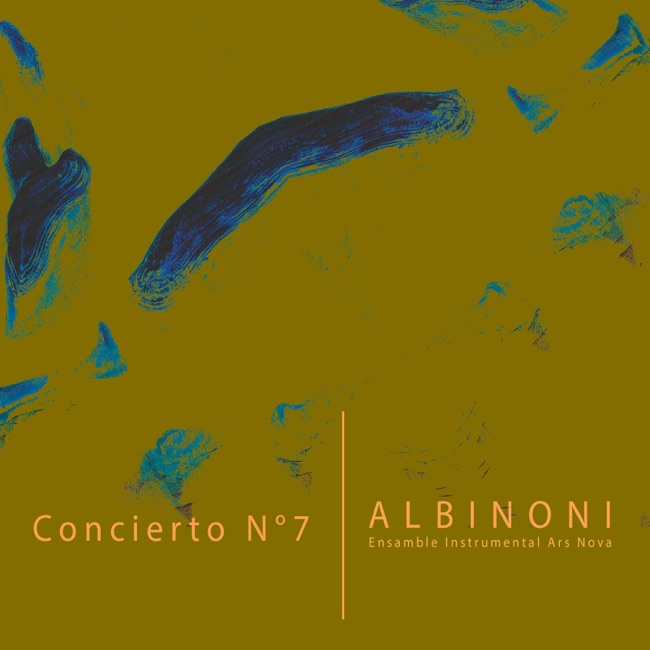

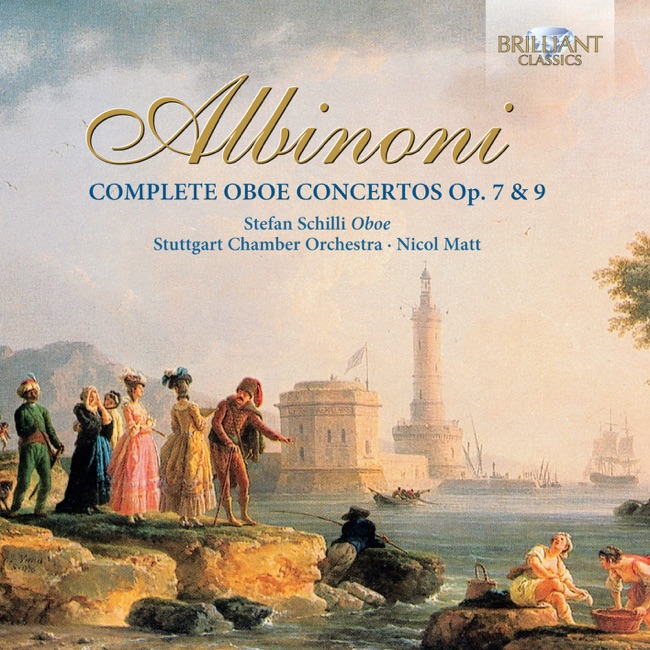
Featured Album
Works Info
Composer:Tomaso AlbinoniGenre:ConcertoStyle:ConcertoCompose Date:1722Average_duration:12:20Movement_count:3Movement ....Tomaso Albinoni's Concerto à cinque, Op. 9 No. 7 in D major, is a Baroque concerto for solo oboe, strings, and continuo. It was composed in the early 18th century and premiered in Venice, Italy. The concerto is comprised of three movements: Allegro, Adagio, and Allegro. The first movement, Allegro, is characterized by its lively and energetic tempo. The solo oboe introduces the main theme, which is then echoed by the strings. The movement features virtuosic passages for the soloist, showcasing the technical abilities of the oboe. The second movement, Adagio, is a slow and lyrical piece. The solo oboe takes center stage, playing a mournful melody that is accompanied by the strings. The movement is marked by its expressive and emotional qualities, with the oboe conveying a sense of longing and melancholy. The final movement, Allegro, returns to the lively and energetic tempo of the first movement. The solo oboe and strings engage in a playful dialogue, with the oboe once again showcasing its technical abilities. The movement features a lively and upbeat melody, with the soloist and strings trading off musical phrases. Overall, Albinoni's Concerto à cinque, Op. 9 No. 7 in D major, is a masterful example of Baroque concerto writing. The solo oboe is featured prominently throughout the work, demonstrating the instrument's versatility and expressive capabilities. The concerto's three movements showcase a range of musical styles and moods, from the lively and energetic to the mournful and melancholic.More....
Works Music
Released Music
2

1:28
3
3:55
4

3:36
7
3:30
Featured Music