Hildegard von Bingen
Laus Trinitati
Released Album
Recent Album
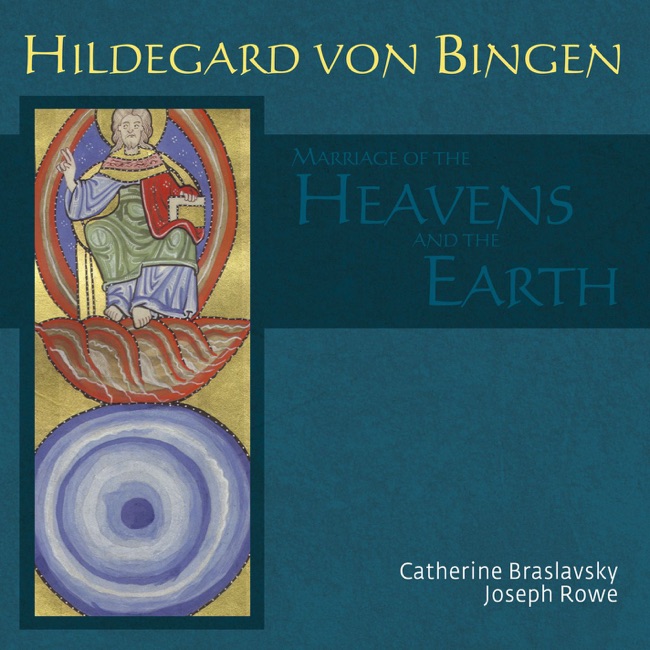
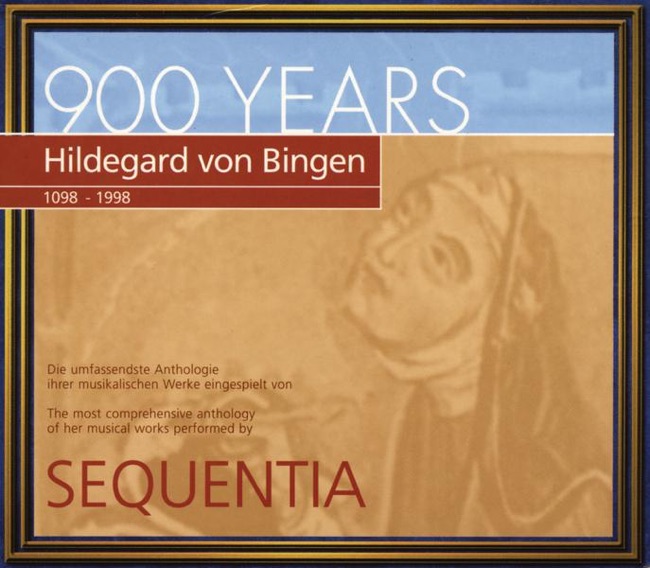
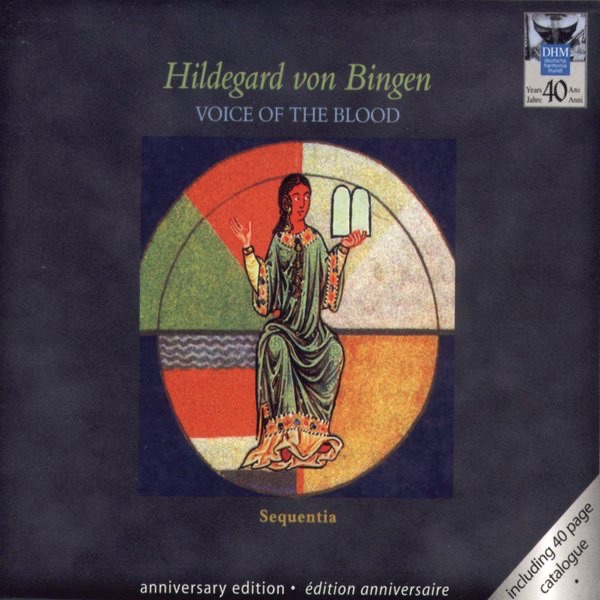
Featured Album
Works Info
Composer:Hildegard von BingenGenre:ChoralStyle:ChoralAverage_duration:2:38Laus Trinitati is a sacred composition composed by Hildegard von Bingen, a German Benedictine abbess, writer, composer, and philosopher. The piece was composed in the 12th century and is considered one of her most significant works. It is a hymn of praise to the Holy Trinity, and its premiere is unknown. Laus Trinitati is a monophonic chant, meaning it is sung by a single voice without any accompanying instruments. The piece is divided into three movements, each dedicated to one of the persons of the Holy Trinity: the Father, the Son, and the Holy Spirit. The first movement, dedicated to the Father, begins with a solemn and majestic melody that sets the tone for the entire piece. The melody is characterized by long, sustained notes and a wide range of pitch. The text praises the Father for his power and wisdom, and the music reflects this with its grandeur and complexity. The second movement, dedicated to the Son, is more melodic and expressive than the first. The melody is characterized by a series of rising and falling phrases that convey a sense of longing and devotion. The text praises the Son for his sacrifice and love, and the music reflects this with its emotional intensity and beauty. The third movement, dedicated to the Holy Spirit, is the shortest and most joyful of the three. The melody is characterized by a series of lively and rhythmic phrases that convey a sense of celebration and exultation. The text praises the Holy Spirit for his guidance and inspiration, and the music reflects this with its energy and vitality. Overall, Laus Trinitati is a masterpiece of medieval sacred music. Its complex melodies, expressive harmonies, and profound spirituality make it a timeless work of art that continues to inspire and uplift listeners today.More....
Works Music
Released Music
8
4:51
Featured Music