


Matthias Weckmann
Nun freut euch, lieben Christen g'mein
Released Album
Recent Album
Works Info
Composer:Matthias WeckmannAverage_duration:8:00Matthias Weckmann was a German composer and organist of the Baroque era. He was born in 1616 in Thuringia and died in 1674 in Hamburg. One of his most famous works is the cantata "Nun freut euch, lieben Christen g'mein," which was composed in 1663. The cantata "Nun freut euch, lieben Christen g'mein" is a sacred vocal work that was written for four voices, two violins, and basso continuo. It is divided into six movements, each with its own distinct character and musical style. The first movement is a joyful and celebratory chorus that sets the tone for the entire work. The second movement is a duet for soprano and bass that is more introspective and contemplative. The third movement is a lively and dance-like aria for tenor that is full of energy and excitement. The fourth movement is a beautiful and expressive aria for alto that is full of emotion and passion. The fifth movement is a recitative for bass that is more narrative in nature, telling the story of Christ's resurrection. The final movement is a triumphant and joyful chorus that brings the work to a close. Throughout the cantata, Weckmann uses a variety of musical techniques to convey the meaning and emotion of the text. He employs rich harmonies, intricate counterpoint, and expressive melodies to create a work that is both musically and spiritually profound. Overall, "Nun freut euch, lieben Christen g'mein" is a masterpiece of Baroque sacred music that showcases Weckmann's skill as a composer and his deep faith as a Christian. Its premiere date is unknown, but it is believed to have been performed in Hamburg during Weckmann's lifetime.More....
Works Music
Released Music
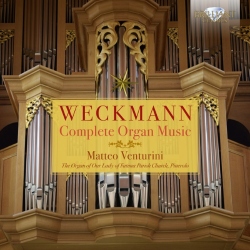
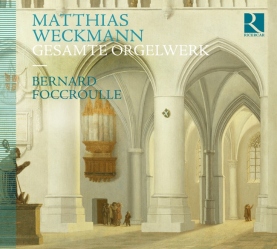
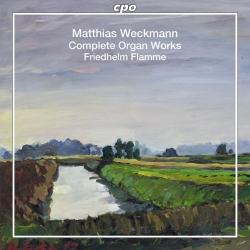
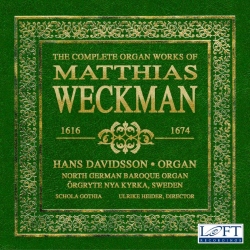
6
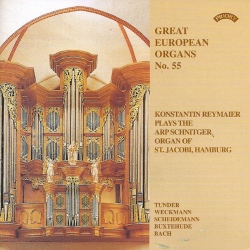
6:50
7
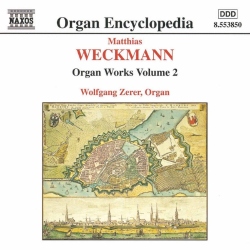
2:2