


Johann Sebastian Bach
Sonata for violin & continuo in G major, BWV 1021
Released Album
Recent Album
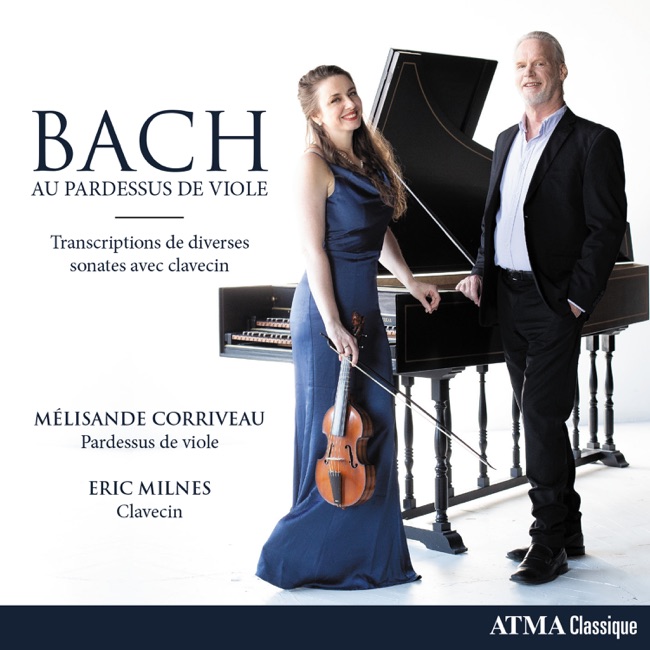
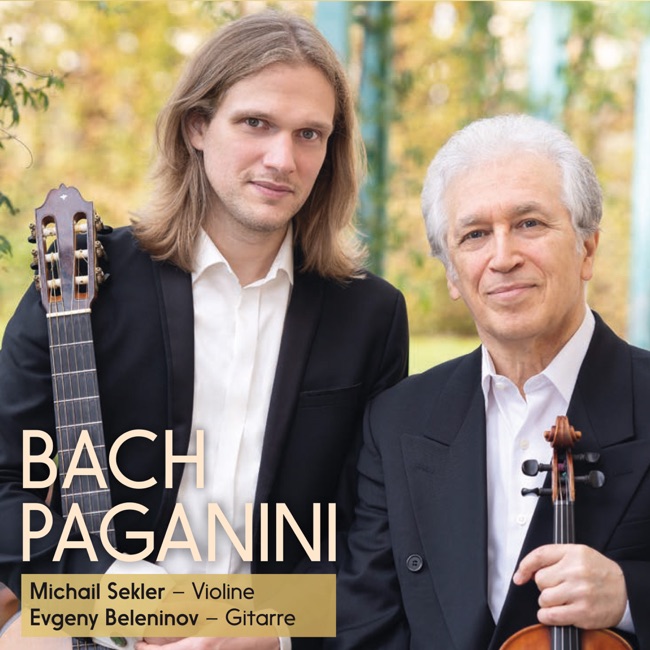
Featured Album
Works Info
Composer:Johann Sebastian BachGenre:ChamberStyle:SonataCompose Date:1732 - 1733Publication Date:1958Average_duration:8:36Movement_count:4Movement ....Johann Sebastian Bach's Sonata for violin & continuo in G major, BWV 1021, is a chamber work composed in the early 18th century. The exact date of composition is unknown, but it is believed to have been written during Bach's time in Weimar, between 1708 and 1717. The sonata is scored for solo violin and continuo, which typically includes a harpsichord and a bass instrument such as a cello or viola da gamba. The sonata is divided into four movements, each with its own distinct character and mood. The first movement is marked Adagio, and features a slow, lyrical melody played by the violin over a simple accompaniment in the continuo. The second movement is a lively Allegro, with a fast, dance-like rhythm and intricate interplay between the violin and continuo. The third movement is a gentle Siciliano, with a lilting, pastoral melody and a relaxed, flowing tempo. The final movement is a brisk Allegro, with a lively, energetic theme that builds to a thrilling conclusion. One of the most notable characteristics of the sonata is its use of counterpoint, a technique in which multiple melodies are played simultaneously and interwoven to create a complex, harmonically rich texture. Bach was a master of counterpoint, and the sonata showcases his skill in this area. The violin and continuo often play independent melodies that complement and enhance each other, creating a sense of depth and complexity in the music. Another characteristic of the sonata is its use of ornamentation, or decorative flourishes added to the melody. Bach was known for his elaborate ornamentation, and the sonata features numerous examples of trills, turns, and other embellishments that add to the beauty and expressiveness of the music. Overall, Bach's Sonata for violin & continuo in G major, BWV 1021, is a masterful example of Baroque chamber music. Its intricate counterpoint, expressive ornamentation, and varied moods and tempos make it a captivating and rewarding work for both performers and listeners.More....
Works Music
Released Music
1
5:9
2
5:9
3
4:14
4
3:42
5
3:49
6
3:29
7
1:4
8
3:25
9
3:50
10
4:24
Featured Music
1
3:49
2
1:1
3
2:26
4
1:31
5
3:39
6
1:1
7
2:9
8
1:28
9
4:8
10
1:0
11
2:47
12
1:29







Main Perform Artists
Violin
Harpsichord
Cello
Violin
Cello
Violin
Piano
Harpsichord
Violin