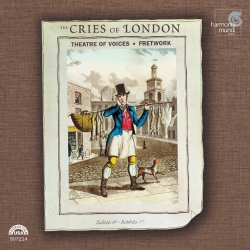
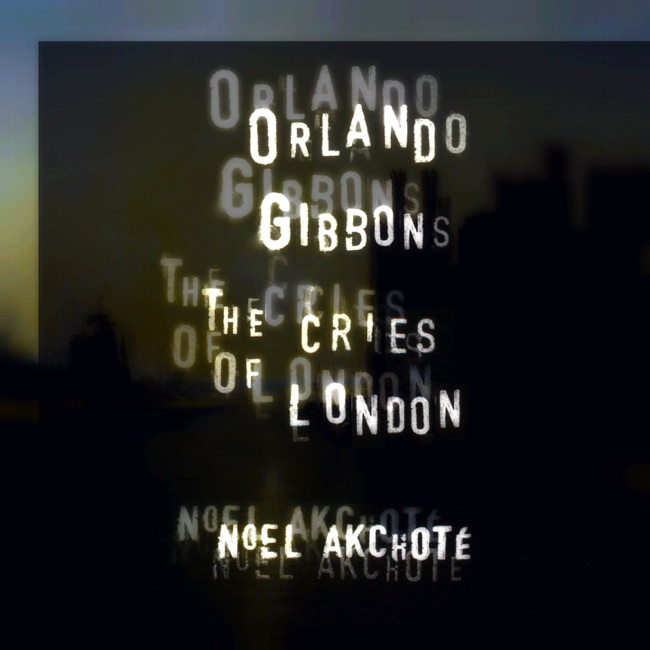
Orlando Gibbons
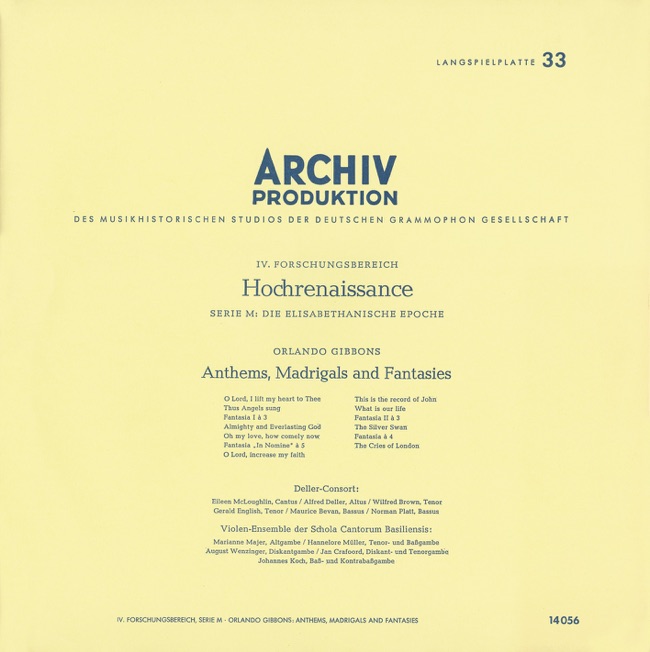
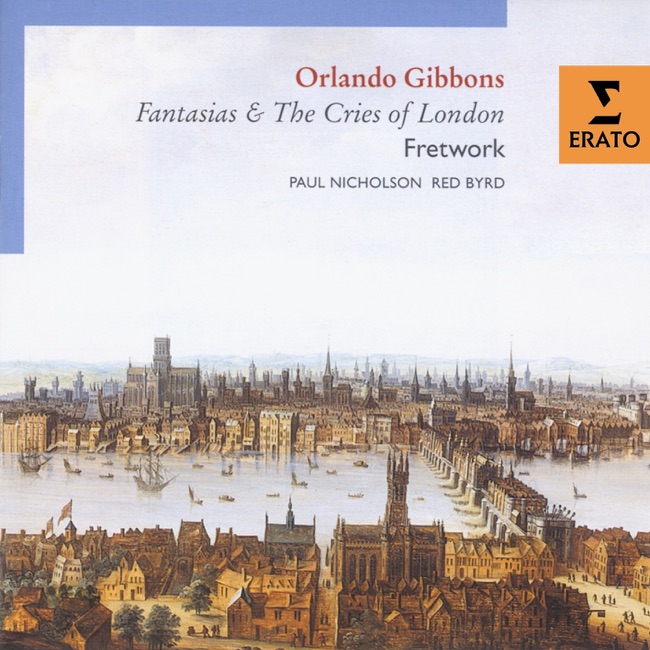
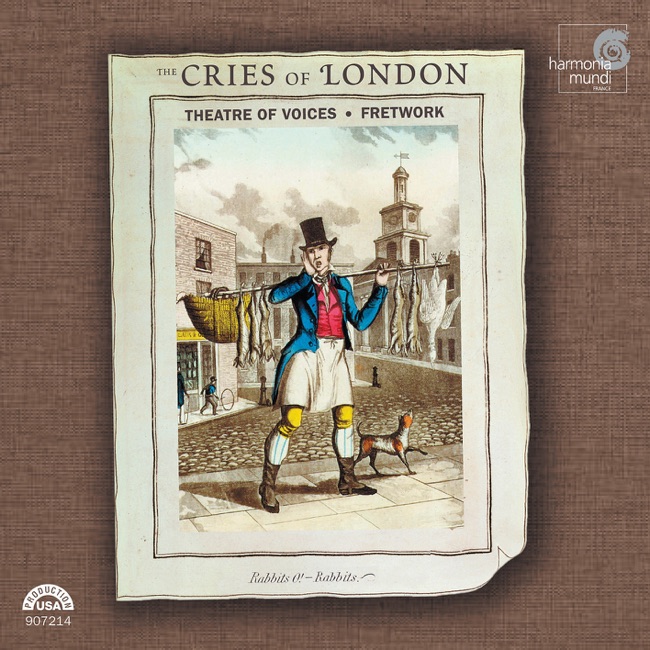
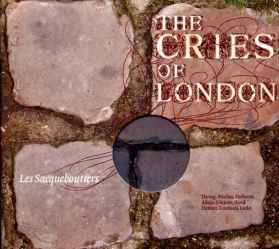
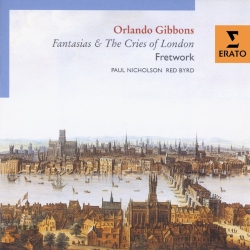
The Cryes of London
Released Album
Recent Album


Featured Album
Works Info
Composer:Orlando GibbonsGenre:VocalStyle:Part SongAverage_duration:6:19Orlando Gibbons' "The Cryes of London" is a collection of six short pieces for keyboard, composed in the early 17th century. The exact date of composition is unknown, but it is believed to have been written around 1612-1613. The work was likely intended for domestic performance, as it was common for wealthy households to have a keyboard instrument such as a virginal or harpsichord. The premiere of "The Cryes of London" is also unknown, but it is likely that Gibbons performed the work himself or it was played by a member of his household. The work was not published during Gibbons' lifetime, but it was later included in a collection of his keyboard music published in 1672. Each of the six movements in "The Cryes of London" is based on a different street vendor's cry, or call, that would have been heard in the bustling city of London during Gibbons' time. The movements are titled "The Cryes of London," "The Lord Mayor's Pavane," "The King's Juell," "The Queen's Command," "The Lady Hatton's Almain," and "The Lord Salisbury his Pavin." The first movement, "The Cryes of London," is a lively and rhythmic piece that imitates the sounds of various street vendors calling out their wares. The second movement, "The Lord Mayor's Pavane," is a stately dance in triple meter that would have been appropriate for a formal occasion. The third movement, "The King's Juell," is a lively and virtuosic piece that showcases the keyboard player's technical skill. The fourth movement, "The Queen's Command," is a slower and more contemplative piece that features a beautiful melody. The fifth movement, "The Lady Hatton's Almain," is a dance in duple meter that would have been popular in Gibbons' time. The final movement, "The Lord Salisbury his Pavin," is a stately dance in triple meter that would have been appropriate for a formal occasion. Overall, "The Cryes of London" is a charming and entertaining work that captures the sounds and spirit of the bustling city of London in the early 17th century. Gibbons' use of street vendors' cries as the basis for each movement is a unique and innovative approach to keyboard music, and his skillful composition and use of different dance forms make the work a delightful listening experience.More....
Works Music
Released Music
2
5:31


Featured Music