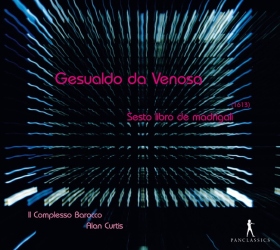
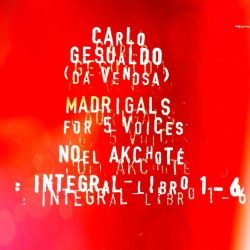
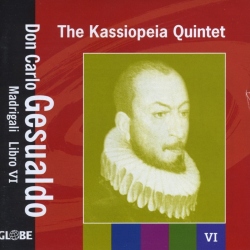
Carlo Gesualdo
Madrigals, Book 6
Released Album
Recent Album
-

-
-
-
-
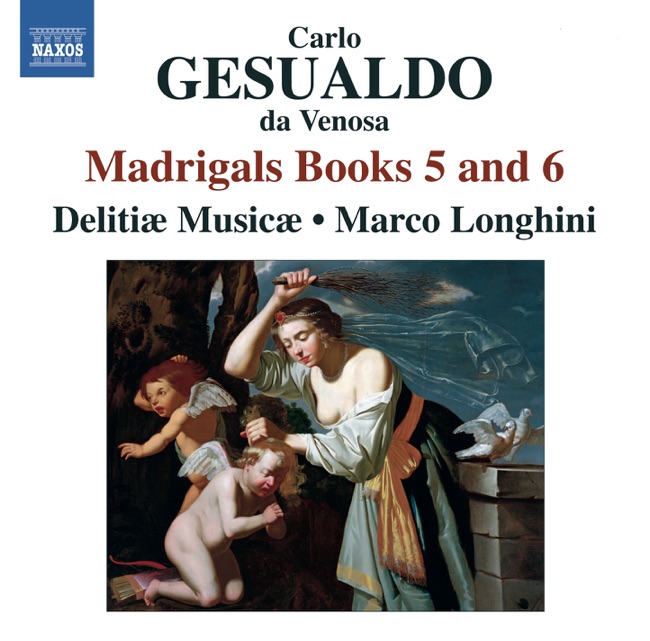
-
-
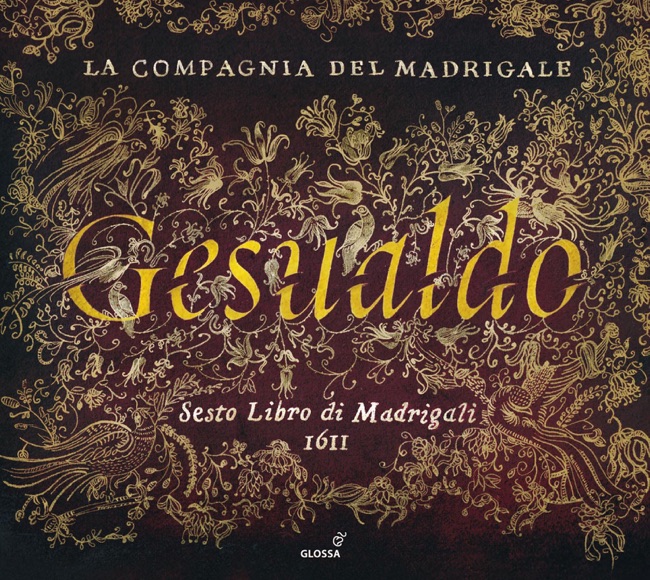
-
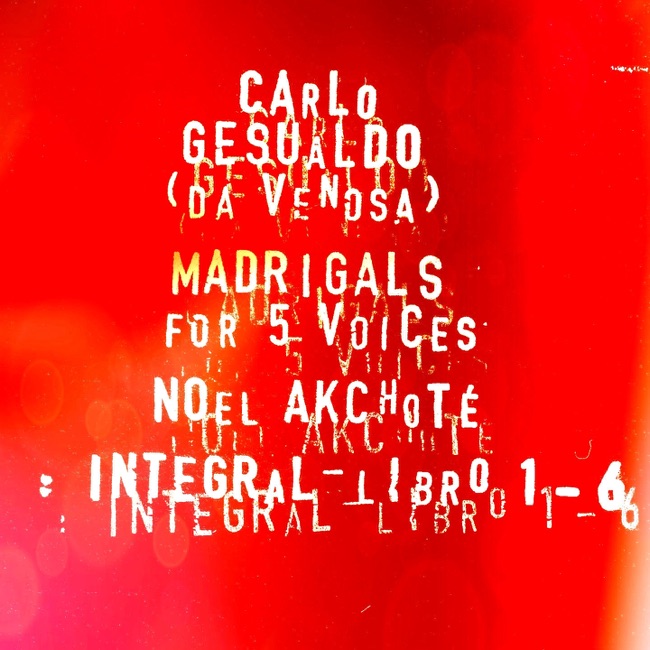 Noël AkchotéSeptember 6, 2012
 -
-

-
-
Featured Album
Works Info
Composer:Carlo GesualdoGenre:VocalStyle:MadrigalCompose Date:1611Carlo Gesualdo's 'Madrigals, Book 6' is a collection of 20 madrigals that were composed in the late 16th century. The exact date of composition is not known, but it is believed to have been written between 1611 and 1613. The madrigals were published in 1611 in Naples, Italy. The premiere of 'Madrigals, Book 6' is not recorded, but it is likely that the pieces were performed in private settings for Gesualdo's patrons and friends. The madrigals were written for five voices and are characterized by Gesualdo's unique harmonic language and use of chromaticism. The first movement of the collection, "Io pur respiro in cosi gran dolore," is a lament that features Gesualdo's signature use of dissonance and chromaticism. The second movement, "Moro, lasso, al mio duolo," is a mournful piece that features a descending chromatic line in the bass voice. The third movement, "O dolorosa gioia," is a lively and rhythmic piece that contrasts with the previous two movements. The fourth movement, "O tenebroso giorno," is a dark and brooding piece that features a descending chromatic line in the upper voices. The fifth movement, "Ardita zanzaretta," is a playful and lighthearted piece that features a lively rhythm and playful vocal lines. The sixth movement, "Se per lieve ferita," is a mournful piece that features a descending chromatic line in the upper voices. The seventh movement, "O come sei gentile," is a lively and rhythmic piece that features a playful vocal line and a lively rhythm. The eighth movement, "Dolcissima mia vita," is a tender and romantic piece that features a beautiful vocal melody and lush harmonies. The ninth movement, "O dolorosa mente," is a mournful piece that features a descending chromatic line in the upper voices. The tenth movement, "O voi, troppo felici," is a lively and rhythmic piece that features a playful vocal line and a lively rhythm. The eleventh movement, "O dolorosa gioia," is a lively and rhythmic piece that features a playful vocal line and a lively rhythm. The twelfth movement, "O tenebroso giorno," is a dark and brooding piece that features a descending chromatic line in the upper voices. The thirteenth movement, "Ardita zanzaretta," is a playful and lighthearted piece that features a lively rhythm and playful vocal lines. The fourteenth movement, "Se per lieve ferita," is a mournful piece that features a descending chromatic line in the upper voices. The fifteenth movement, "O come sei gentile," is a lively and rhythmic piece that features a playful vocal line and a lively rhythm. The sixteenth movement, "Dolcissima mia vita," is a tender and romantic piece that features a beautiful vocal melody and lush harmonies. The seventeenth movement, "O dolorosa mente," is a mournful piece that features a descending chromatic line in the upper voices. The eighteenth movement, "O voi, troppo felici," is a lively and rhythmic piece that features a playful vocal line and a lively rhythm. The nineteenth movement, "O dolorosa gioia," is a lively and rhythmic piece that features a playful vocal line and a lively rhythm. The final movement, "O tenebroso giorno," is a dark and brooding piece that features a descending chromatic line in the upper voices. Overall, 'Madrigals, Book 6' is a collection of deeply emotional and expressive pieces that showcase Gesualdo's unique harmonic language and use of chromaticism.More....
Works Music
Released Music



Featured Music