Béla Bartók
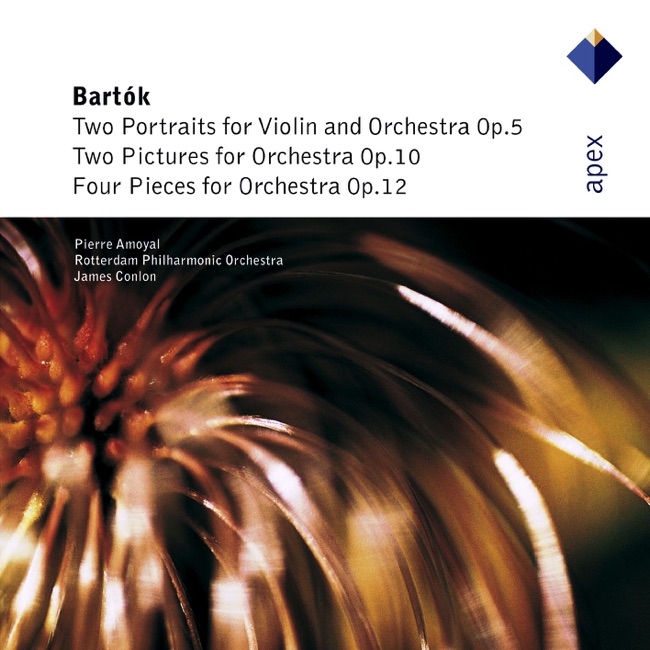
Pieces (4) for orchestra, Op. 12
Released Album
Recent Album
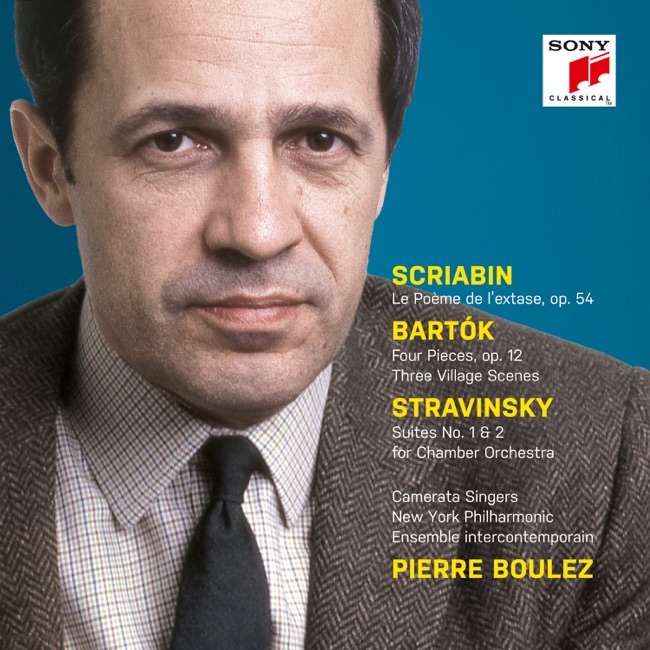
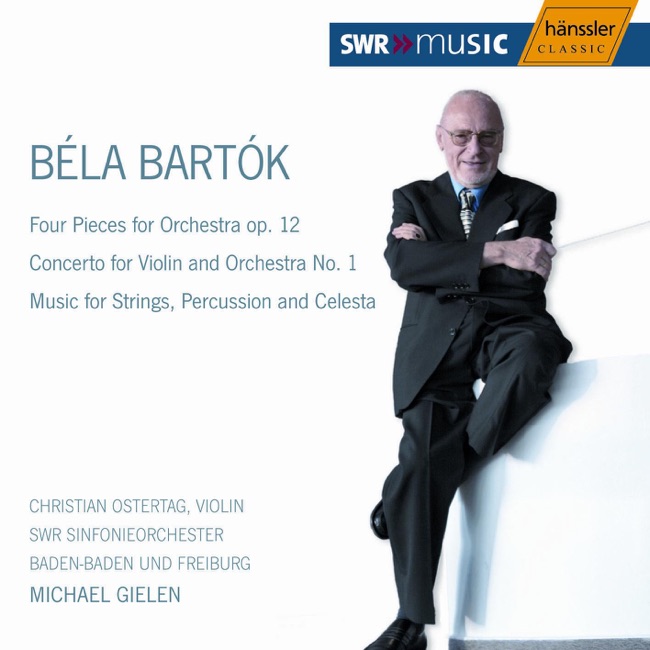
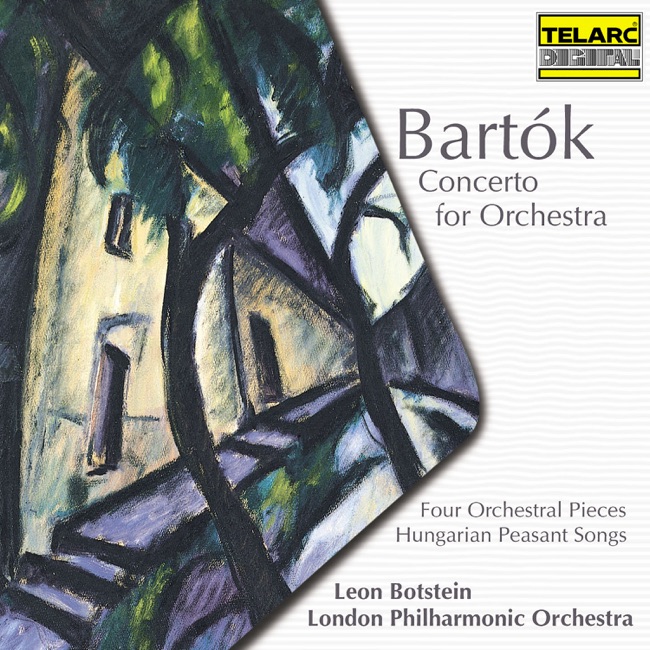
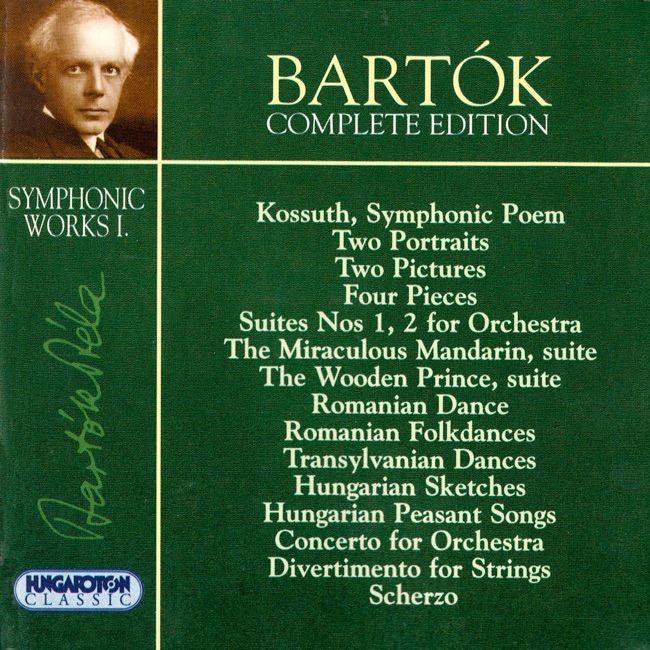
Featured Album
Works Info
Composer:Béla BartókGenre:OrchestralStyle:OrchestralCompose Date:1912 - 1921Average_duration:23:55Movement_count:4Movement ....Béla Bartók's 'Pieces (4) for orchestra, Op. 12' is a composition that was written in 1912. The piece was premiered on December 1, 1912, in Budapest, Hungary. The composition consists of four movements, each with its own unique characteristics. The first movement, titled "Preludio," is a slow and somber introduction to the piece. It begins with a solo clarinet playing a mournful melody, which is then taken up by the rest of the orchestra. The movement builds in intensity, with the strings playing a series of dissonant chords that create a sense of tension and unease. The second movement, "Scherzo," is a lively and playful piece that features a fast-paced, syncopated rhythm. The movement is characterized by its use of folk-inspired melodies and complex harmonies. The woodwinds and brass sections are particularly prominent in this movement, with the clarinet and trumpet playing prominent solos. The third movement, "Intermezzo," is a slower and more introspective piece that features a haunting melody played by the strings. The movement is notable for its use of unusual time signatures, with the music shifting between 5/8 and 7/8 time. The movement builds to a climax before fading away into a quiet, contemplative coda. The final movement, "Finale," is a fast and energetic piece that brings the composition to a thrilling conclusion. The movement features a series of complex rhythms and intricate counterpoint, with the different sections of the orchestra playing off each other in a frenzied dance. The movement ends with a triumphant flourish, bringing the piece to a satisfying close. Overall, 'Pieces (4) for orchestra, Op. 12' is a masterful composition that showcases Bartók's skill as a composer. The piece is notable for its use of folk-inspired melodies and complex harmonies, as well as its innovative use of unusual time signatures. The four movements work together to create a cohesive whole, with each movement building on the themes and motifs introduced in the previous movements.More....
Works Music
Released Music
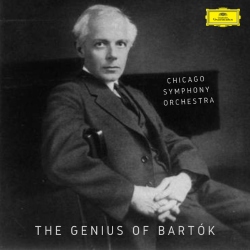
2
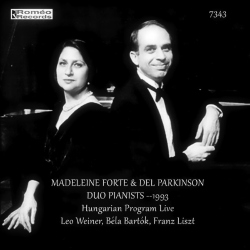
5:41
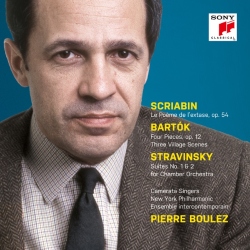
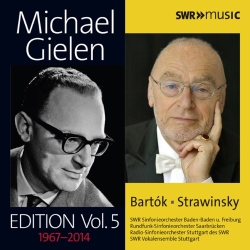
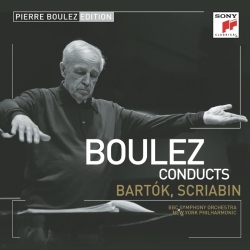
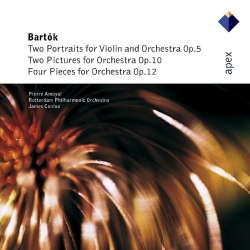
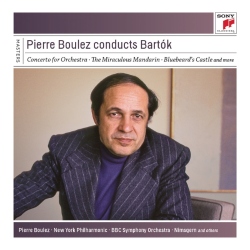
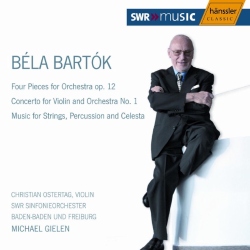
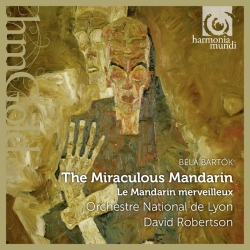
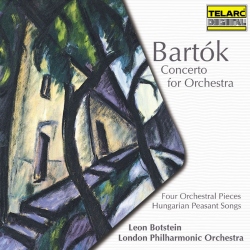
Featured Music
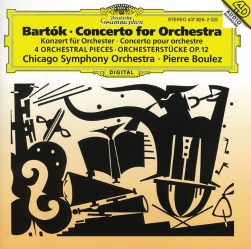
5
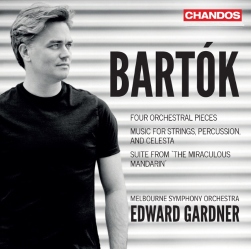
Pieces (4) for orchestra, Op. 12
1. Preludio. Moderato - Più andante - Più mosso, molto appassionato - Tempo 1 - Tranquillo - Tempo 1 - Sostenuto - Tempo 1 (Tranquillo)
7:14
6
Pieces (4) for orchestra, Op. 12
2. Scherzo. Allegro - Meno mosso - Tempo 1 (vivo) - Più mosso - (Meno mosso) - Tempo 1 - Meno mosso - Ancora meno mosso, con calore - (Meno mosso) - Più mosso - Allegro - (Meno mosso) - (Più mosso) - Tempo 1 - Più vivo
6:23
7
Pieces (4) for orchestra, Op. 12
3. Intermezzo. Moderato - Più sostenuto - Largamente - Andante - Tranquillo - Più sostenuto (Molto tranquillo) - Agitato - Andante - Più andante - Tempo 1 - Più lento
4:40
8
Pieces (4) for orchestra, Op. 12
4. Marcia funebre. Maestoso - Più andante - Maestoso - Appassionato - Tranquillo - Più andante - Più sostenuto
4:31