Franz Joseph Haydn
String Quartet No. 21 in E flat major, Op. 17/3, H. 3/27
Released Album
Recent Album
Works Info
Composer:Franz Joseph HaydnGenre:ChamberStyle:QuartetCompose Date:1771Average_duration:21:44Movement_count:4Movement ....Franz Joseph Haydn's String Quartet No. 21 in E flat major, Op. 17/3, H. 3/27, was composed in 1771. It is one of the six quartets that make up Haydn's Opus 17, which was dedicated to the Hungarian Count Apponyi. The quartet is in four movements and has a total duration of approximately 20 minutes. The first movement, marked Allegro moderato, begins with a lively and energetic theme played by the first violin. The second violin and viola then join in with a counterpoint melody, while the cello provides a steady bass line. The movement features several contrasting sections, including a lyrical second theme and a development section that explores the themes in new ways. The second movement, marked Adagio, is a slow and expressive piece that showcases Haydn's gift for melody. The first violin takes the lead with a mournful melody, while the other instruments provide a rich harmonic accompaniment. The movement is notable for its use of chromaticism, which adds a sense of tension and drama to the music. The third movement, marked Menuetto, is a lively dance in triple meter. The main theme is played by the first violin and is then repeated by the other instruments. The trio section features a more subdued melody played by the viola and cello, which provides a contrast to the energetic main theme. The final movement, marked Presto, is a fast and playful piece that brings the quartet to a rousing conclusion. The movement features a lively main theme played by the first violin, which is then repeated and developed by the other instruments. The movement also includes a brief fugue section, which showcases Haydn's skill as a contrapuntist. Overall, Haydn's String Quartet No. 21 in E flat major is a masterful work that showcases his skill as a composer. The quartet is notable for its lively melodies, rich harmonies, and skillful use of counterpoint. It remains a popular work in the string quartet repertoire and is a testament to Haydn's enduring legacy as a composer.More....
Works Music
Released Music
2
8:17
6
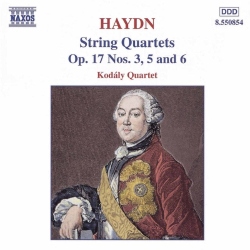
7:52