Heinrich Schütz
Veni, Sancte Spiritus, SWV 328 (Op. 9/23)
Released Album
Recent Album
Works Info
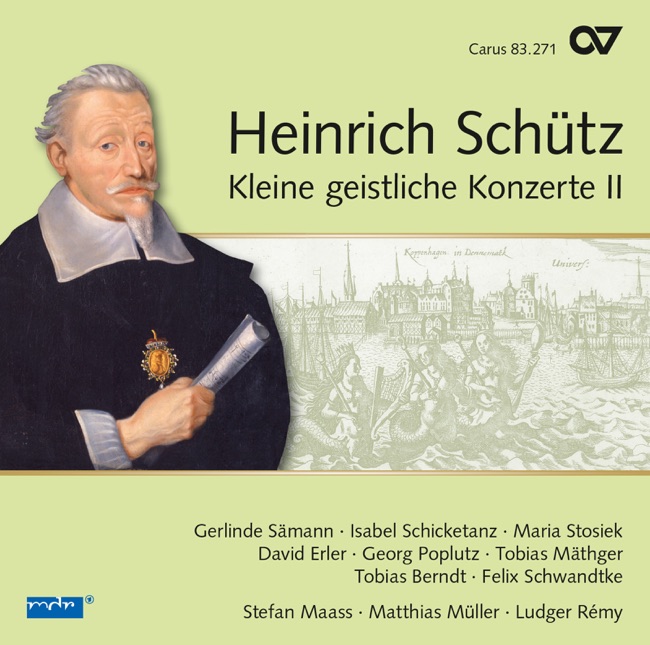
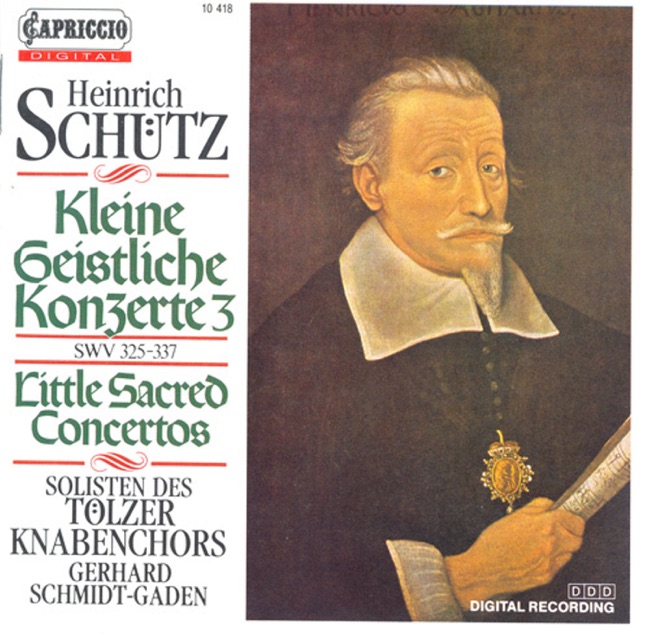
Composer:Heinrich SchützGenre:ChoralStyle:ChoralPublication Date:1639Average_duration:5:06Heinrich Schütz's 'Veni, Sancte Spiritus, SWV 328 (Op. 9/23)' is a sacred choral work that was composed in the early 17th century. The piece is a setting of the Latin hymn 'Veni Sancte Spiritus', which is traditionally sung during Pentecost. Schütz's composition is written for six voices, with two sopranos, alto, tenor, baritone, and bass. The piece is divided into three movements, with each movement reflecting a different aspect of the Holy Spirit. The first movement is a lively and joyful invocation of the Holy Spirit, with the choir singing in unison and then breaking into polyphonic harmonies. The second movement is a more contemplative and introspective section, with the choir singing in a more subdued and meditative style. The final movement is a triumphant and celebratory section, with the choir singing in a grand and majestic style. Schütz's 'Veni, Sancte Spiritus' is characterized by its rich and complex harmonies, which are typical of the composer's style. The piece also features a number of musical devices, such as imitative counterpoint and chromaticism, which add to its complexity and depth. The use of different vocal textures and dynamics also adds to the piece's expressive power, with the choir moving seamlessly between unison singing and complex polyphony. The piece was first performed in Dresden in 1629, and it quickly became one of Schütz's most popular works. It has since been performed and recorded by numerous choirs and ensembles around the world, and it remains a beloved and enduring example of sacred choral music.More....
Works Music
Released Music