


Heinrich Schütz
Cantiones Sacrae, SWV 53-93 (Op. 4)
Released Album
Recent Album
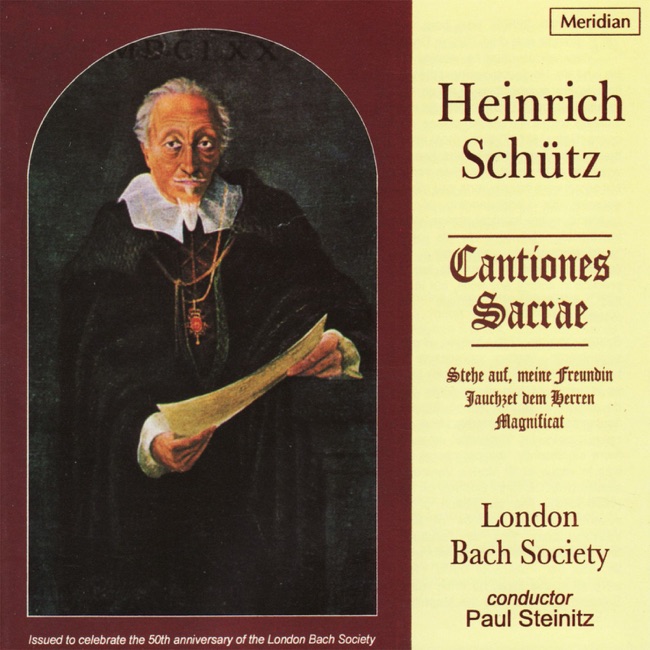
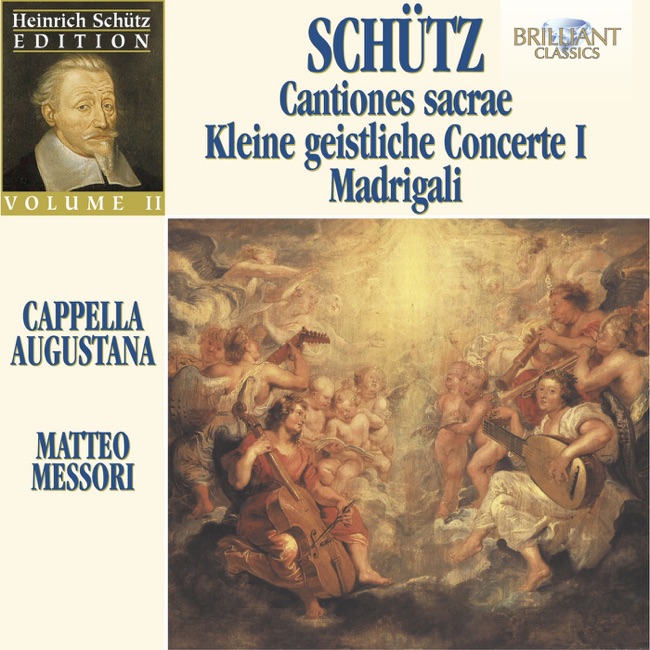
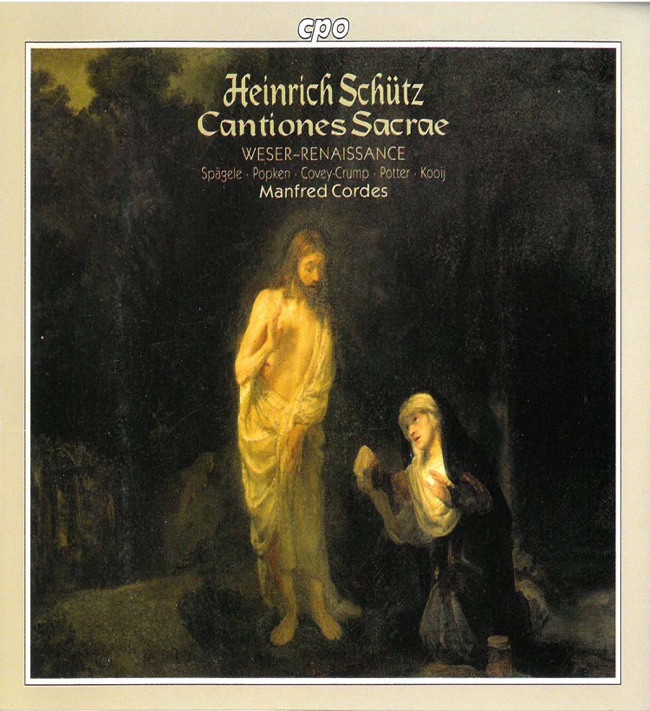
Featured Album
Works Info
Composer:Heinrich SchützGenre:ChoralStyle:MotetPublication Date:1625Average_duration:110:15Movement_count:41Movement ....Heinrich Schütz's 'Cantiones Sacrae, SWV 53-93 (Op. 4)' is a collection of sacred vocal music composed in 1625. The work was premiered in Dresden, Germany, where Schütz served as the court composer for the Elector of Saxony. The collection consists of 41 pieces, divided into three sections or "books," each with its own distinct character and style. The first book of 'Cantiones Sacrae' features 14 pieces, including motets, psalm settings, and a Magnificat. The music is characterized by its use of polyphony, with multiple vocal lines weaving in and out of each other to create a rich, complex texture. The harmonies are often chromatic and dissonant, reflecting the influence of Italian composers such as Monteverdi, whom Schütz had studied with in Venice. The second book of 'Cantiones Sacrae' is more focused on solo vocal music, with 12 pieces for one or two voices and continuo accompaniment. These pieces are more intimate and introspective than the first book, with a greater emphasis on text painting and expressive melody. The harmonies are still complex, but the vocal lines are more prominent and the accompaniment is more subdued. The third book of 'Cantiones Sacrae' is the most varied, with 15 pieces ranging from simple hymns to elaborate multi-voice settings of the Mass. The music is characterized by its use of counterpoint and imitation, with the different vocal lines echoing and imitating each other in intricate patterns. The harmonies are often more tonal and consonant than in the first book, reflecting Schütz's growing interest in the music of his German contemporaries such as Johann Hermann Schein. Overall, 'Cantiones Sacrae, SWV 53-93 (Op. 4)' is a masterful collection of sacred vocal music that showcases Schütz's skill as a composer and his ability to blend the styles and techniques of different musical traditions. The work remains an important part of the choral repertoire today, and is frequently performed and recorded by choirs and vocal ensembles around the world.More....
Works Music
Released Music
8
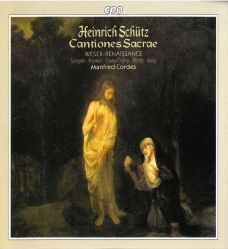
Cantiones Sacrae, SWV 53-93 (Op. 4)
SWV 56. 4. Prima pars: Quid commisisti, o dulcissime puer
3:44
Featured Music
1
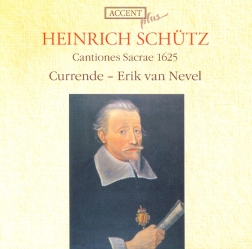
Cantiones Sacrae, SWV 53-93 (Op. 4)
Quid commisisti, O dulcissime puer (SWV 56) / Ego sum tui plaga doloris (SWV 57) / Ego enim inique
13:20
2
Cantiones Sacrae, SWV 53-93 (Op. 4)
Ad Dominum cum tribularer clamavi (SWV 71) / Quid detur tibi (SWV 72)
4:47
4
Cantiones Sacrae, SWV 53-93 (Op. 4)
Ego dormio, et cor meum vigilat (SWV 63) / Vulnerasti cor meum (SWV 64)
6:33
6
Cantiones Sacrae, SWV 53-93 (Op. 4)
Aspice, Pater, piissimum filium (SWV 73) / Nonne hic est (SWV 74) / Reduc, domine deus meus (SWV 75
6:55
7
Cantiones Sacrae, SWV 53-93 (Op. 4)
Verba mea auribus percipe, Domine (SWV 61) / Quoniam ad te clamabo (SWV 62)
4:50
9
Cantiones Sacrae, SWV 53-93 (Op. 4)
Domine, non est exaltatum cor meum (SWV 78) / Si non humiliter sentiebam (SWV 79) / Speret Israel (
5:53
Main Perform Artists
Violin
Choir/Chorus