


Heinrich Schütz
O misericordissime Jesu, SWV 309 (Op. 9/4)
Released Album
Recent Album
Works Info
Composer:Heinrich SchützGenre:ChoralStyle:MotetPublication Date:1639Average_duration:4:47Heinrich Schütz's 'O misericordissime Jesu, SWV 309 (Op. 9/4)' is a sacred vocal work composed in the early 17th century. The piece is part of Schütz's 'Symphoniae sacrae III', a collection of sacred works for voices and instruments. The composition is believed to have been written in 1650, during Schütz's later years. It was premiered in Dresden, where Schütz served as the court composer for the Elector of Saxony. 'O misericordissime Jesu' is a motet, a type of sacred vocal music that is typically sung a cappella or with minimal instrumental accompaniment. The piece is divided into three movements, each with its own distinct character and musical style. The first movement is a solemn and introspective setting of the text "O misericordissime Jesu" ("O most merciful Jesus"). The music is characterized by slow, sustained vocal lines and rich harmonies that convey a sense of reverence and awe. The second movement is a lively and joyful setting of the text "Gloria Patri et Filio" ("Glory to the Father and to the Son"). The music features a lively, dance-like rhythm and bright, exuberant vocal lines that express the joy and exaltation of the text. The final movement is a quiet and contemplative setting of the text "Sicut erat in principio" ("As it was in the beginning"). The music is characterized by gentle, flowing vocal lines and delicate harmonies that convey a sense of peace and serenity. Overall, 'O misericordissime Jesu' is a beautiful and deeply spiritual work that showcases Schütz's mastery of sacred vocal music. Its three movements offer a range of musical styles and emotions, from solemn reverence to joyful exaltation to peaceful contemplation.More....
Works Music
Released Music
1
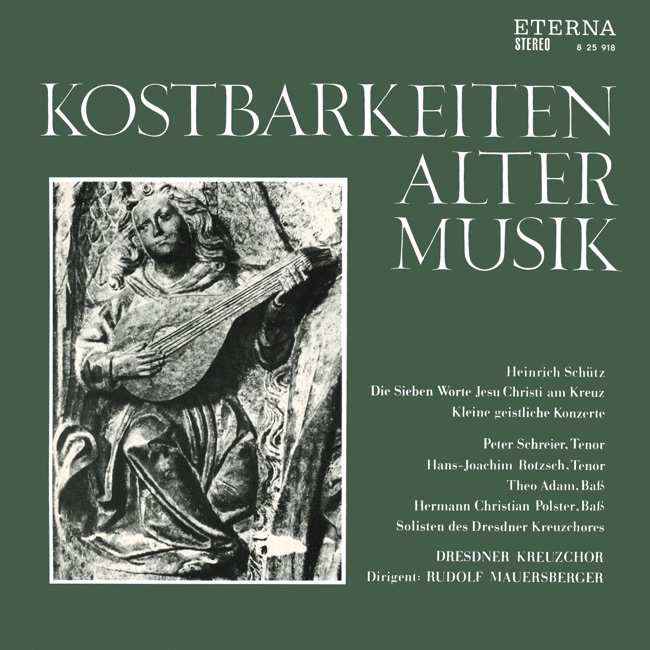
Schütz: Die Sieben Worte Jesu Christ am Kreuz & Kleine Geistliche Konzerte (2023 Remastered Version)
4:50
3
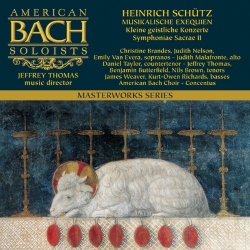
5:14
5
4:56
6
4:33