


Antonio Vivaldi
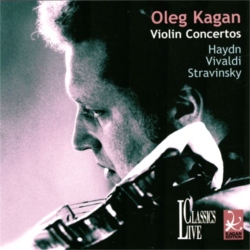
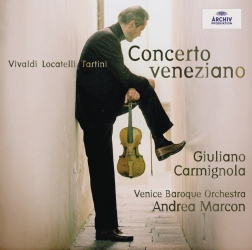
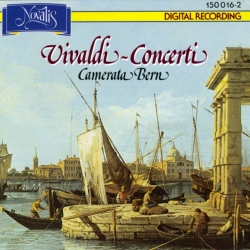
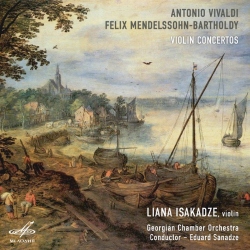
Violin Concerto, for violin in E minor, RV 278
Released Album
Recent Album
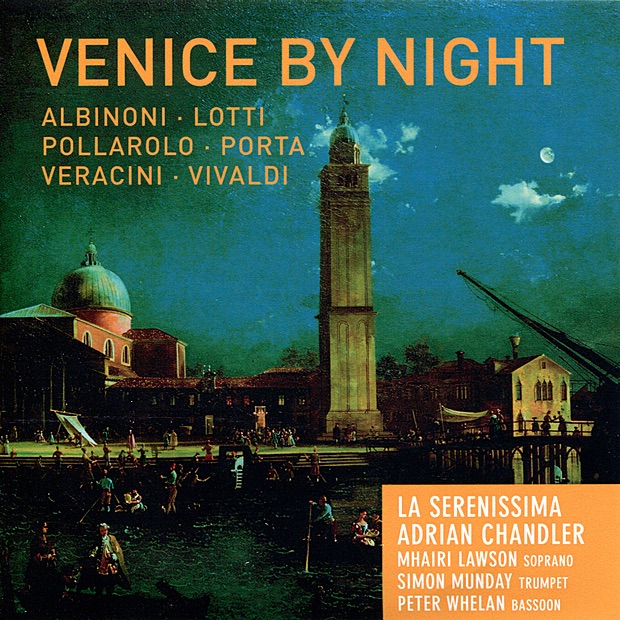
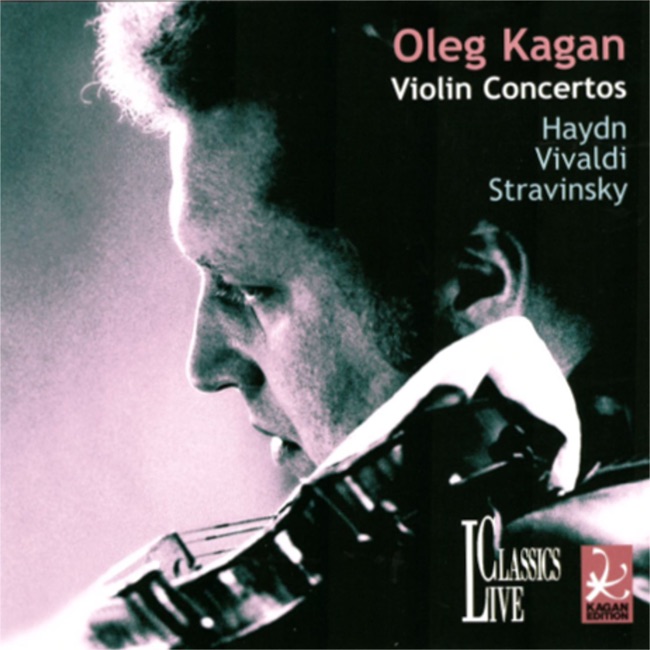
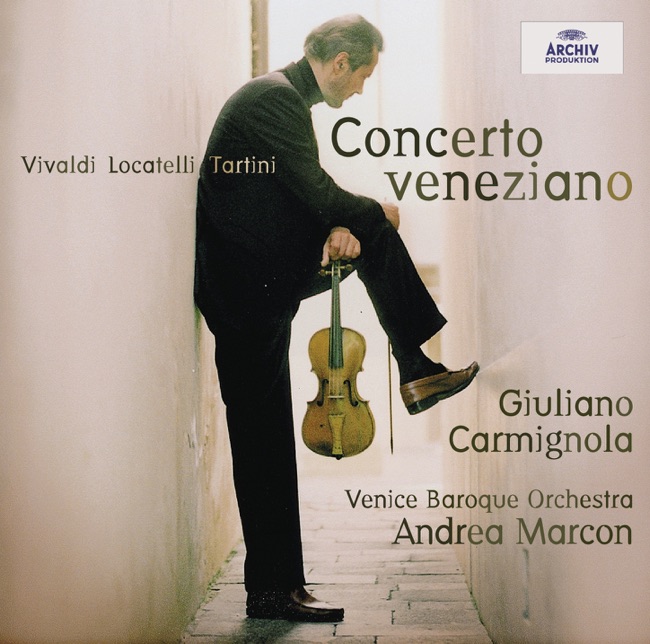
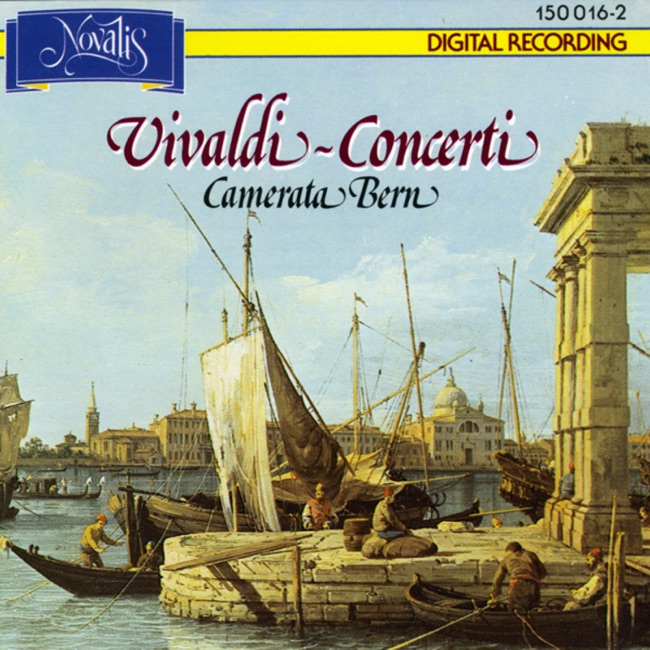
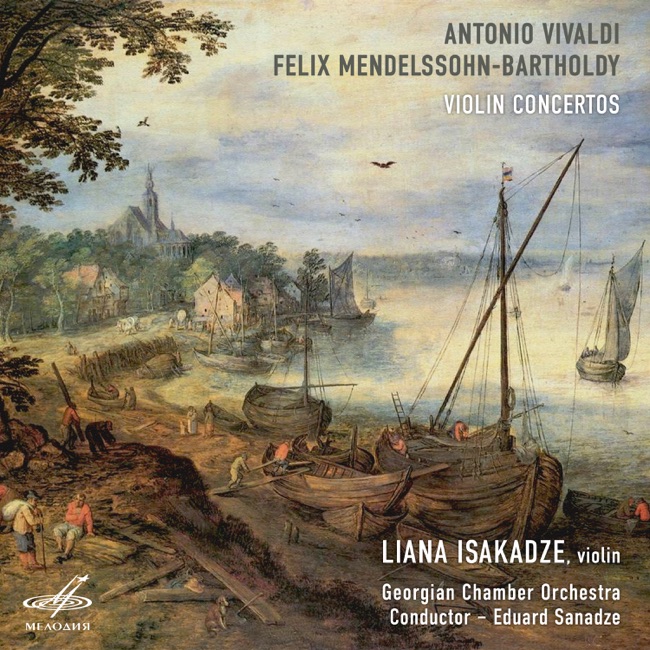
Featured Album
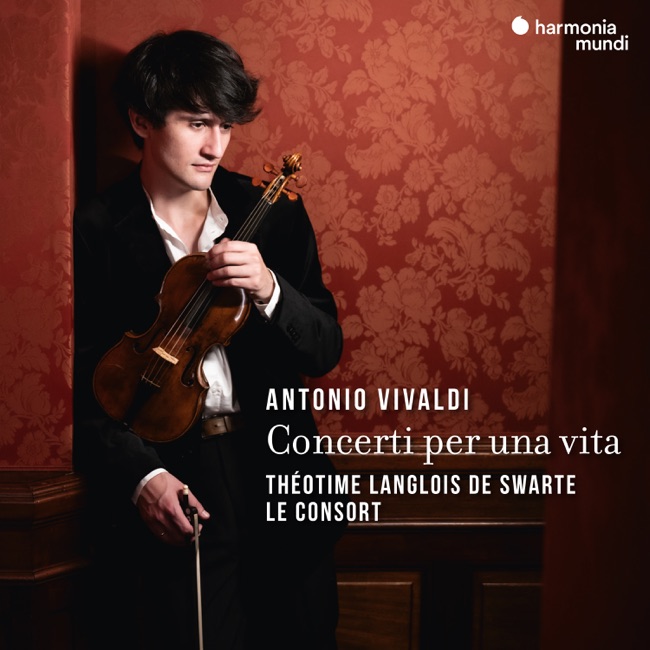
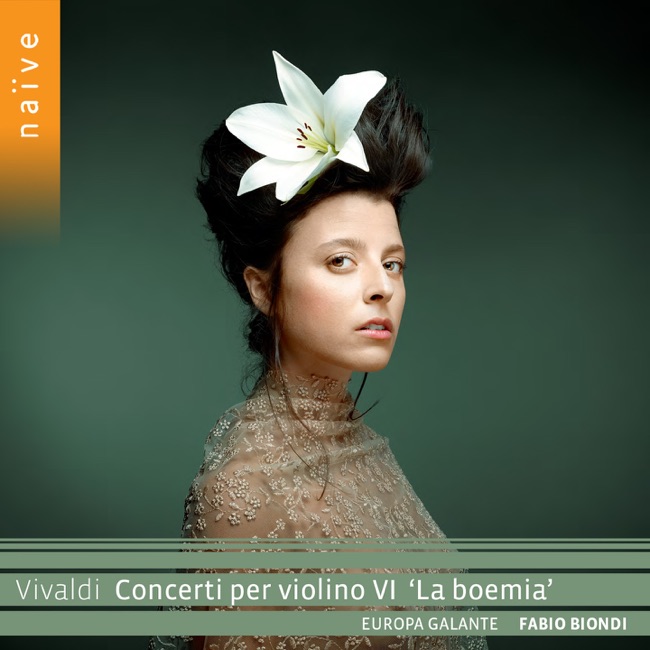
Works Info
Composer:Antonio VivaldiGenre:ConcertoStyle:ConcertoCompose Date:ca. 1710Average_duration:15:13Movement_count:3Movement ....Antonio Vivaldi's Violin Concerto in E minor, RV 278, is a masterpiece of Baroque music. It was composed in the early 18th century and premiered in Venice, Italy. The concerto is divided into three movements, each with its own unique characteristics. The first movement, marked Allegro, is a lively and energetic piece that showcases the virtuosity of the solo violin. The movement begins with a bold and dramatic introduction by the orchestra, followed by the solo violin's entrance. The soloist's rapid and intricate runs are contrasted by the orchestra's more measured accompaniment. The movement is characterized by its use of counterpoint, with the solo violin and orchestra playing off each other in a lively and engaging dialogue. The second movement, marked Largo, is a slow and lyrical piece that provides a moment of respite from the frenetic energy of the first movement. The solo violin takes center stage in this movement, with the orchestra providing a gentle and understated accompaniment. The movement is characterized by its use of ornamentation, with the solo violin embellishing the melody with trills and other decorative flourishes. The third movement, marked Allegro, is a lively and upbeat piece that brings the concerto to a thrilling conclusion. The movement begins with a lively and energetic introduction by the orchestra, followed by the solo violin's entrance. The soloist's rapid and virtuosic runs are once again contrasted by the orchestra's more measured accompaniment. The movement is characterized by its use of syncopation, with the solo violin and orchestra playing off each other in a lively and engaging dialogue. Overall, Vivaldi's Violin Concerto in E minor, RV 278, is a masterpiece of Baroque music. Its three movements showcase the virtuosity of the solo violin, while also highlighting the interplay between the soloist and the orchestra. The concerto's use of counterpoint, ornamentation, and syncopation make it a thrilling and engaging piece of music that continues to captivate audiences to this day.More....
Works Music
Released Music
1
Violin Concerto, for violin in E minor, RV 278
1. Allegro molto - Largo - Allegro molto - Andante
6:13
5
4:38
Featured Music
1
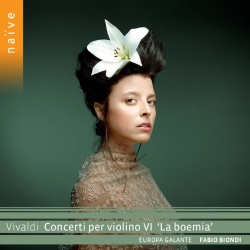
6:23
2
3:48
3
4:30
4
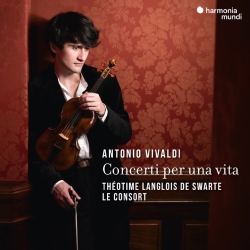
5:40
5
3:50
6
3:54