


Juan Gutiérrez de Padilla
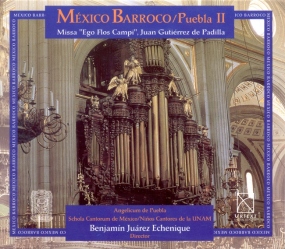
Missa Ego flos campi
Released Album
Recent Album
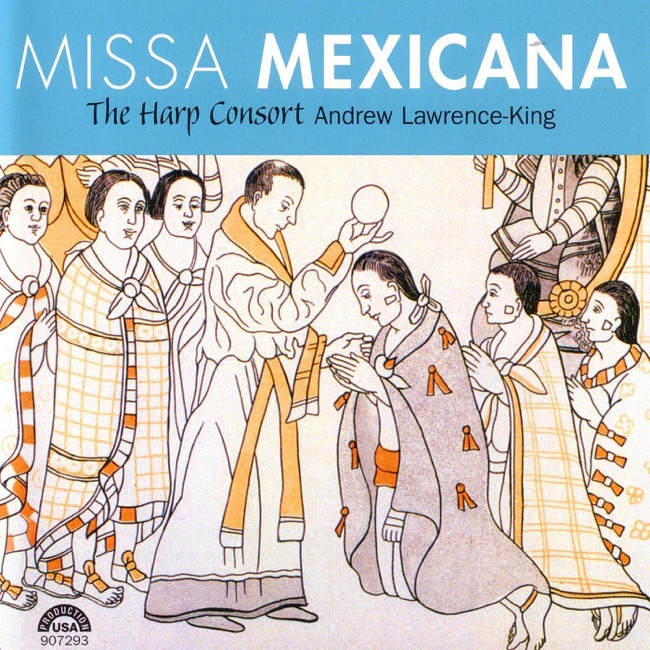
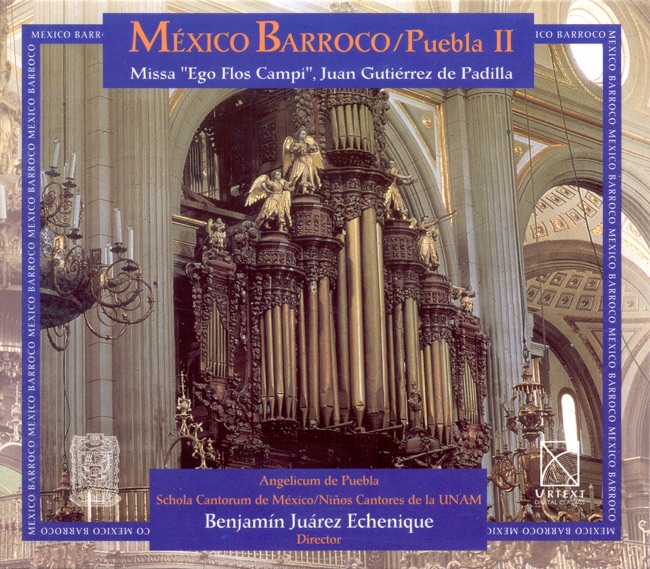
Featured Album
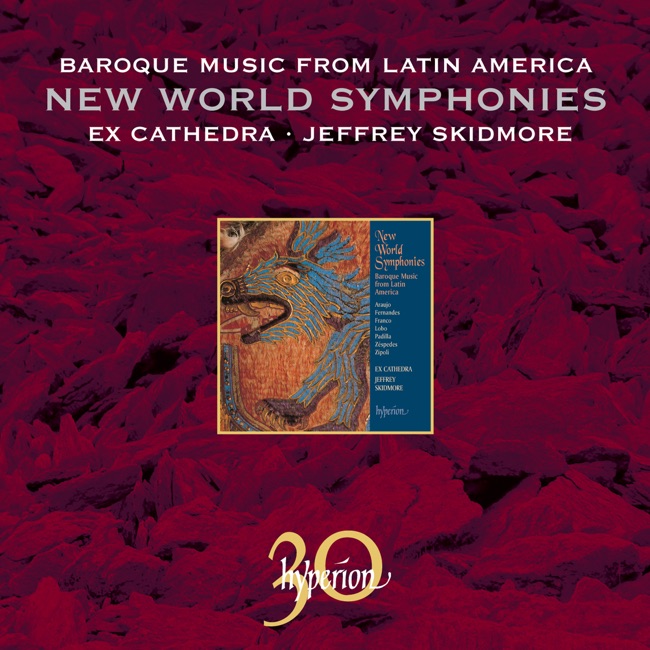
Works Info
Composer:Juan Gutiérrez de PadillaGenre:ChoralStyle:MassAverage_duration:14:21Juan Gutiérrez de Padilla was a Spanish composer who lived from 1590 to 1664. He was a prominent figure in the Mexican Baroque music scene, and his works were highly regarded during his lifetime. One of his most famous compositions is the 'Missa Ego flos campi', which was composed in the early 17th century. The 'Missa Ego flos campi' is a sacred choral work that was written for the Catholic Mass. It is a six-part mass that is scored for two sopranos, alto, tenor, baritone, and bass. The work is based on the Song of Solomon, which is a book of the Bible that is often interpreted as a love poem between God and his people. The 'Missa Ego flos campi' premiered in Mexico City in the early 17th century, and it quickly became one of Padilla's most popular works. The mass is divided into six movements, each of which has its own unique characteristics. The first movement is the Kyrie, which is a prayer for mercy. It is a slow and solemn piece that sets the tone for the rest of the mass. The second movement is the Gloria, which is a joyful hymn of praise. It is a lively and energetic piece that features intricate vocal harmonies. The third movement is the Credo, which is a statement of faith. It is a complex piece that features multiple vocal parts singing different melodies at the same time. The fourth movement is the Sanctus, which is a hymn of praise to God. It is a bright and uplifting piece that features soaring vocal lines. The fifth movement is the Agnus Dei, which is a prayer for peace. It is a quiet and contemplative piece that features a solo soprano singing a plaintive melody. The final movement is the Ite, missa est, which is a dismissal of the congregation. It is a short and simple piece that brings the mass to a close. Overall, the 'Missa Ego flos campi' is a beautiful and complex work that showcases Padilla's skill as a composer. It is a testament to the rich musical tradition of the Mexican Baroque, and it continues to be performed and admired to this day.More....
Works Music
Released Music
Featured Music
1
2:3
2
3:42
3
6:22
Main Perform Artists
Tenor Vocal
Organ
Soprano Vocal
Soprano Vocal
Tenor Vocal
Mezzo-Soprano Vocal