


Juan Gutiérrez de Padilla
Released Album
Choral
-
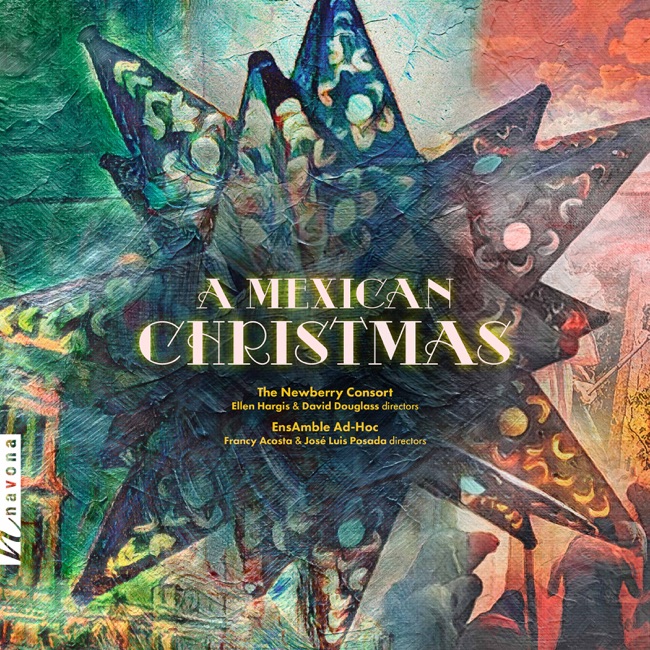 November 12, 2021
 -
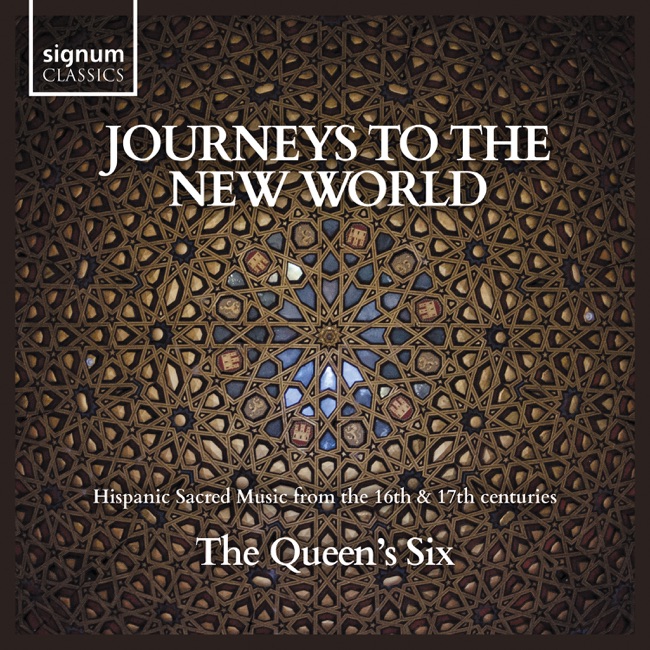 August 21, 2020
 -
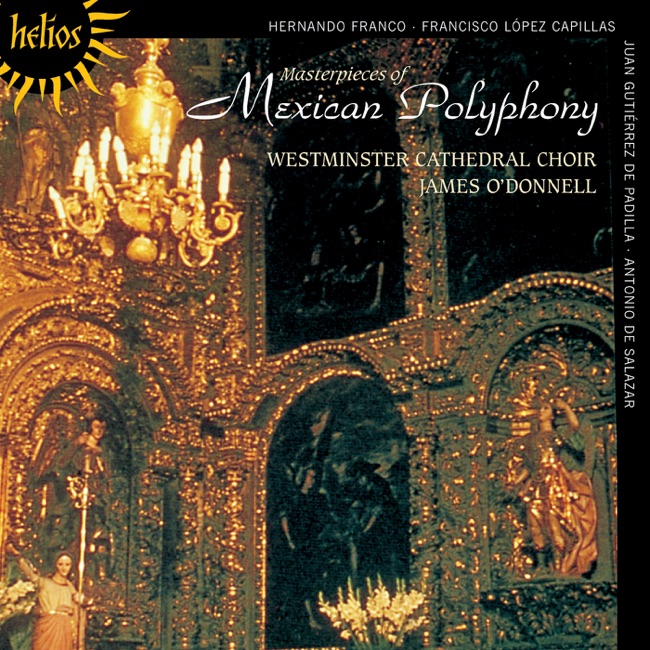 November 2, 2009
 -
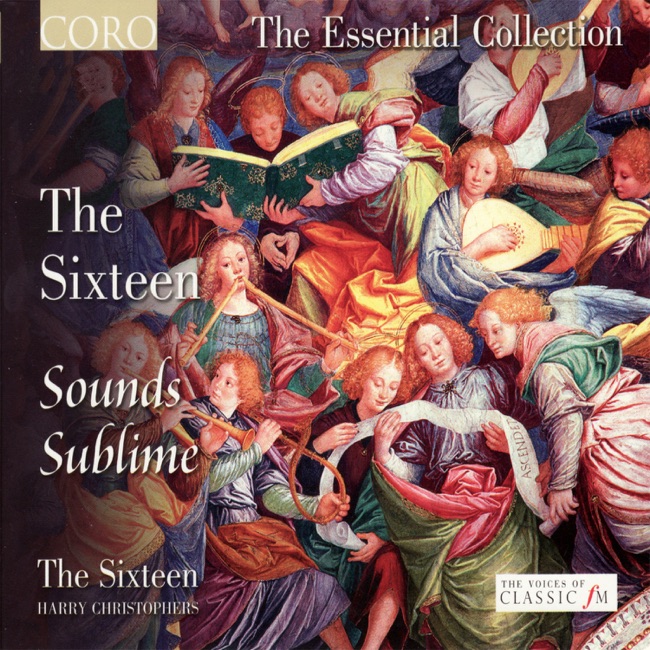 September 7, 2009
 -
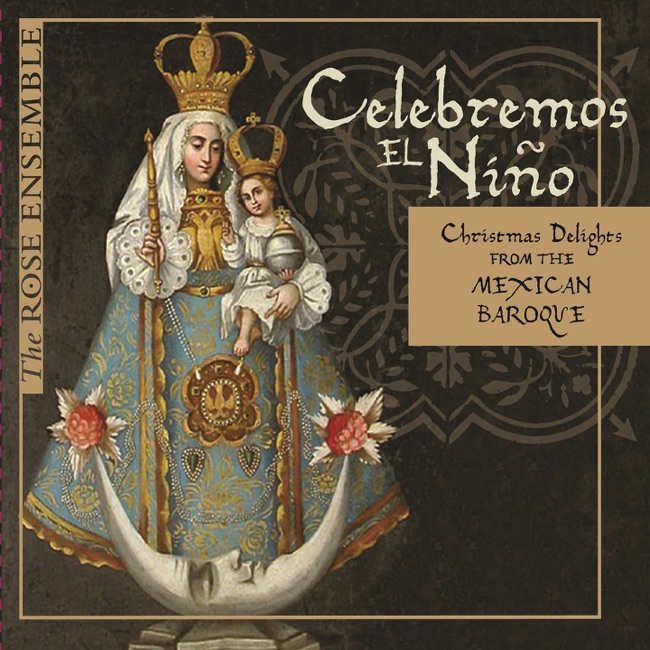 December 24, 2008
 -
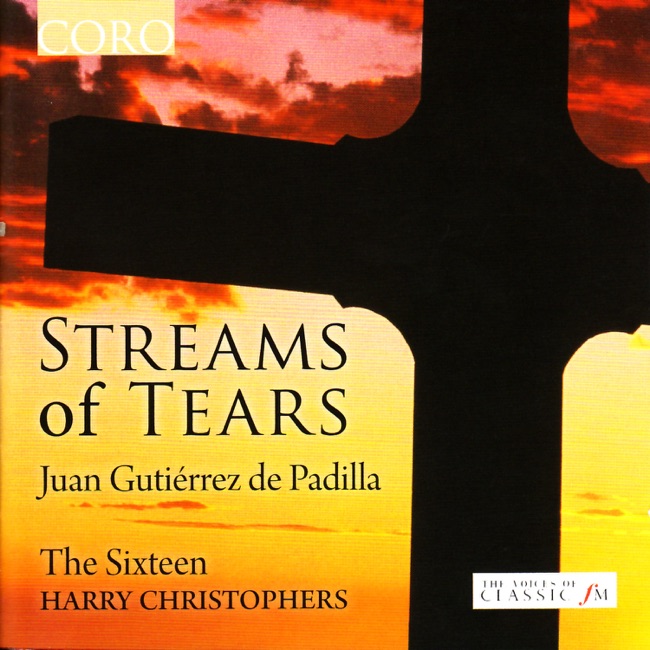 May 13, 2008
Miscellaneous
-
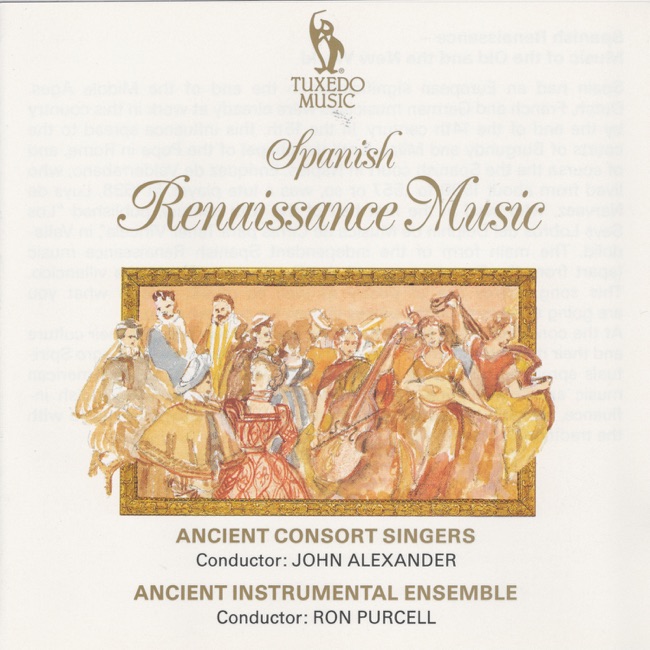 August 12, 2014
 -
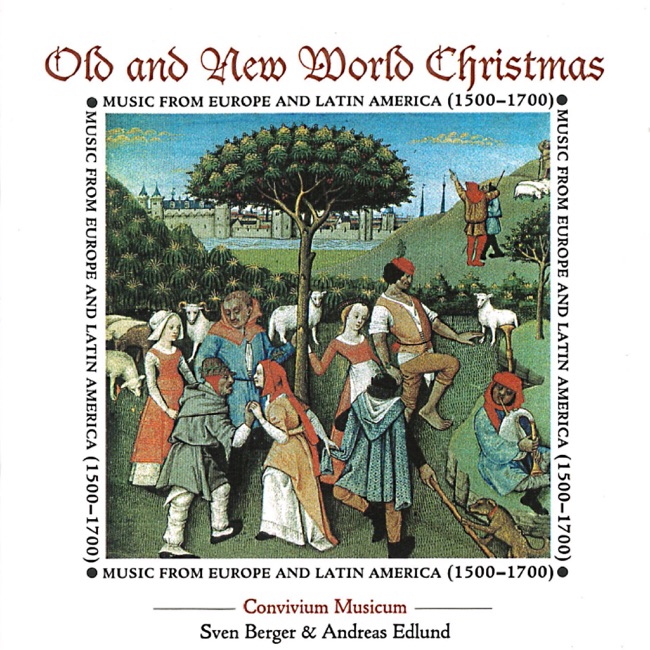 November 14, 2011
Vocal
-
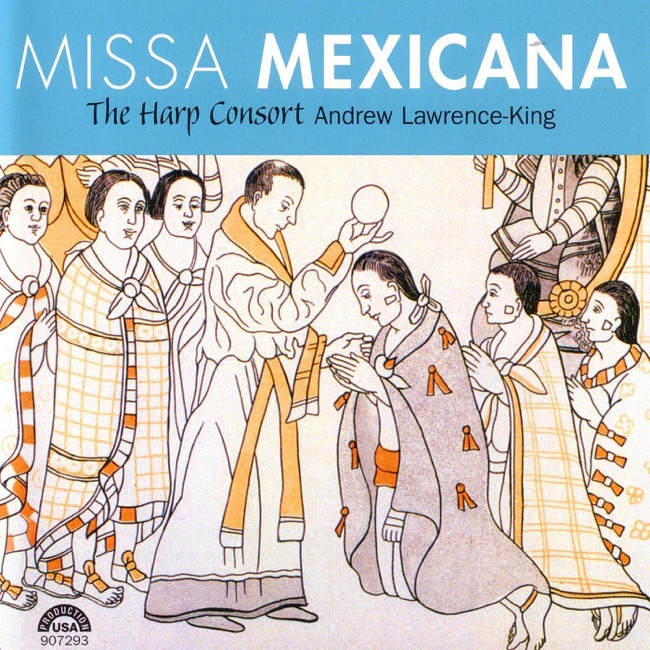 March 6, 2006
Artist Info
Role:ComposerCountry: SpainBirth:November 12, 1605 in Málaga, SpainDeath:December 16, 1673 in Puebla, MexicoPeriod:BaroqueGenre:ChoralJuan Gutiérrez de Padilla was a prominent Mexican composer of the Baroque era. He was born in Málaga, Spain in 1590 and died in Puebla, Mexico in 1664. Padilla was a prolific composer who wrote a large number of works, including sacred music, secular music, and theater music. He is considered one of the most important composers of the New Spanish Baroque. Padilla was born into a family of musicians. His father, Francisco Gutiérrez, was a singer and organist, and his mother, Catalina de Padilla, was a singer. Padilla began his musical education at a young age, studying with his father and other local musicians. He showed great talent and was soon recognized as a gifted musician. In 1613, Padilla moved to Mexico City, where he became the maestro de capilla (music director) of the Cathedral of Mexico City. He held this position for 10 years, during which time he composed a large number of works for the cathedral. His music was highly regarded and he became known as one of the leading composers of the New Spanish Baroque. In 1623, Padilla moved to Puebla, where he became the maestro de capilla of the Cathedral of Puebla. He held this position for the rest of his life, and it was in Puebla that he composed some of his most important works. Padilla's music was highly influential in the development of Mexican Baroque music, and his works were widely performed throughout Mexico and Latin America. Padilla's music is characterized by its rich harmonies, complex counterpoint, and use of polyphony. He wrote a large number of sacred works, including masses, motets, and hymns. His secular works include villancicos (popular songs), canzonettas, and madrigals. Padilla also wrote music for the theater, including zarzuelas (Spanish operettas) and comedias (comedies). One of Padilla's most famous works is his Missa Ego flos campi, which is considered one of the greatest works of the Mexican Baroque. The mass is based on the Song of Solomon and is known for its intricate polyphony and use of chromaticism. Another important work is his villancico Xicochi conetzintle, which is a lullaby to the baby Jesus. The piece is known for its beautiful melody and rich harmonies. Padilla's music was highly regarded during his lifetime, and he was recognized as one of the leading composers of the New Spanish Baroque. His works were widely performed throughout Mexico and Latin America, and his influence can be seen in the works of later Mexican composers such as Manuel de Zumaya and Ignacio Jerusalem. In conclusion, Juan Gutiérrez de Padilla was a prominent Mexican composer of the Baroque era. He was born into a family of musicians and showed great talent from a young age. He became the maestro de capilla of the Cathedral of Mexico City in 1613 and later moved to Puebla, where he held the same position for the rest of his life. Padilla's music is characterized by its rich harmonies, complex counterpoint, and use of polyphony. He wrote a large number of sacred and secular works, as well as music for the theater. His music was highly influential in the development of Mexican Baroque music, and his works were widely performed throughout Mexico and Latin America. Padilla is considered one of the most important composers of the New Spanish Baroque, and his legacy continues to be felt in the music of Mexico and Latin America today.More....
Recent Artist Music
3

4:23
12
2:3
14
2:22

Copyright Ⓒ 2013 Davinci Finger. All rights reseved
Service Terms & Policy