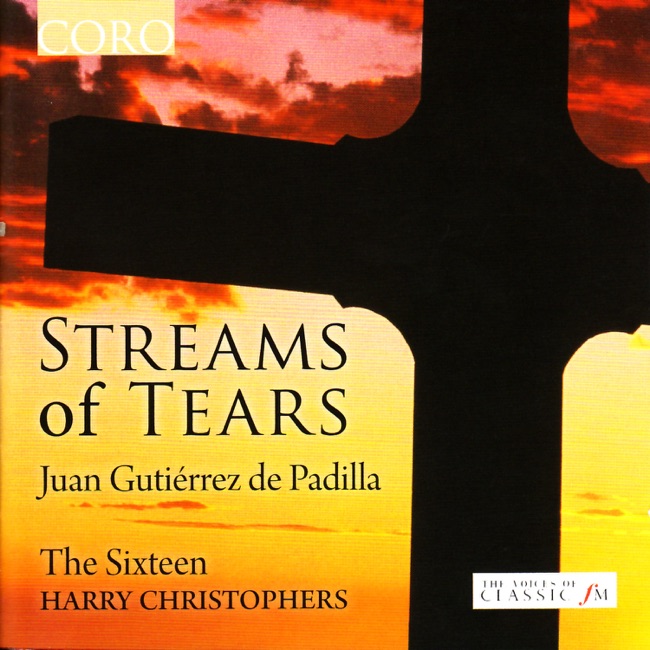
Juan Gutiérrez de Padilla
Lamentations of Jeremiah
Released Album
Recent Album
Works Info
Composer:Juan Gutiérrez de PadillaGenre:ChoralStyle:LamentationAverage_duration:12:47The "Lamentations of Jeremiah" is a sacred choral work composed by Juan Gutiérrez de Padilla, a Mexican composer of the Baroque era. The piece was composed in the early 17th century and is considered one of Padilla's most significant works. It was first performed in the Cathedral of Puebla, Mexico, where Padilla served as the maestro de capilla. The "Lamentations of Jeremiah" is a multi-movement work that is based on the biblical text of the Book of Lamentations. The text is divided into five chapters, and each chapter is set to music in a separate movement. The work is scored for four-part choir, with occasional solo passages. The first movement sets the text of Lamentations 1:1-2, which describes the desolation of Jerusalem. The music is mournful and slow, with long, sustained notes and dissonant harmonies. The second movement sets Lamentations 1:3-5, which describes the suffering of the people of Jerusalem. The music is more agitated and intense, with frequent changes in tempo and dynamics. The third movement sets Lamentations 1:6-9, which describes the sins of Jerusalem and the punishment that has been inflicted upon the city. The music is somber and introspective, with a sense of resignation and acceptance. The fourth movement sets Lamentations 1:10-14, which describes the enemies of Jerusalem and their triumph over the city. The music is dark and ominous, with a sense of impending doom. The final movement sets Lamentations 1:15-22, which is a prayer for deliverance and a plea for mercy. The music is more hopeful and uplifting, with brighter harmonies and a more optimistic tone. The work ends with a final Amen, sung by the choir. Overall, the "Lamentations of Jeremiah" is a powerful and emotional work that reflects the religious and cultural context of its time. It is characterized by its use of dissonant harmonies, expressive melodies, and dramatic contrasts in tempo and dynamics. The work remains an important part of the choral repertoire and is still performed and recorded today.More....
Works Music
Released Music