


Franz Joseph Haydn
Tears that must ever fall, H. 31a/186
Released Album
Recent Album
Works Info
Composer:Franz Joseph HaydnGenre:VocalStyle:Vocal MusicCompose Date:1801Average_duration:3:56"Tears that must ever fall" is a sacred choral work composed by Franz Joseph Haydn in 1765. The piece is also known as "Stabat Mater" and is based on the medieval Latin hymn of the same name, which describes the sorrow of Mary as she stands at the foot of the cross during the crucifixion of Jesus. The work was premiered in 1767 at the Church of the Brothers Hospitallers in Cadiz, Spain, where Haydn was working as a court musician for the Esterházy family. The premiere was a great success, and the piece quickly became one of Haydn's most popular works. "Tears that must ever fall" is divided into ten movements, each of which reflects a different aspect of Mary's grief. The first movement, "Stabat Mater dolorosa," sets the tone for the entire work with its mournful melody and somber harmonies. The second movement, "Cujus animam gementem," is a duet for soprano and alto that expresses Mary's anguish as she watches her son suffer. The third movement, "O quam tristis et afflicta," is a solo for alto that describes Mary's sorrow as she sees Jesus die. The fourth movement, "Quae moerebat et dolebat," is a duet for tenor and bass that expresses the grief of the disciples as they watch their master die. The fifth movement, "Quis est homo qui non fleret," is a solo for tenor that asks who among us could witness such a tragedy without shedding tears. The sixth movement, "Vidit suum dulcem natum," is a duet for soprano and alto that describes Mary's sorrow as she sees her beloved son laid in the tomb. The seventh movement, "Eja Mater fons amoris," is a solo for bass that asks Mary to intercede on behalf of sinners. The eighth movement, "Fac ut ardeat cor meum," is a solo for tenor that asks God to inflame our hearts with love for Him. The ninth movement, "Sancta Mater, istud agas," is a duet for soprano and alto that asks Mary to pray for us. The final movement, "Amen," is a choral fugue that brings the work to a close with a message of hope and redemption. Overall, "Tears that must ever fall" is a deeply emotional and moving work that showcases Haydn's skill as a composer of sacred music. Its beautiful melodies, rich harmonies, and powerful lyrics continue to resonate with audiences today, making it a timeless masterpiece of the choral repertoire.More....
Works Music
Released Music
1
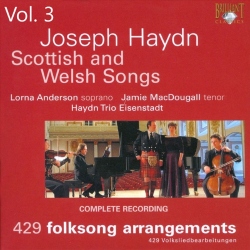
4:20
2
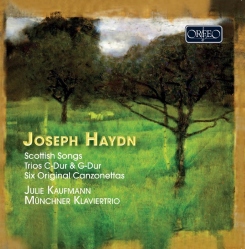
3:9
3

4:20
4
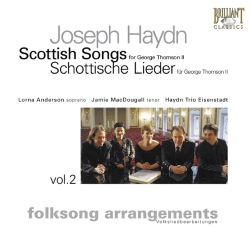
4:20