Franz Joseph Haydn
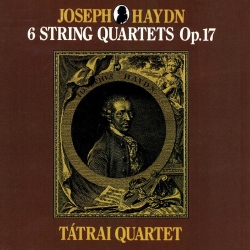
String Quartet No. 22 in G major, Op. 17/5, H. 3/29
Released Album
Recent Album
Works Info
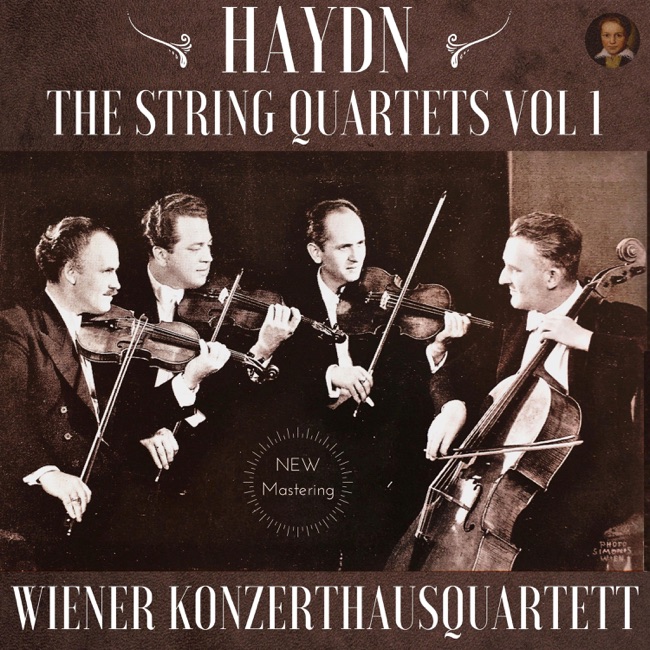
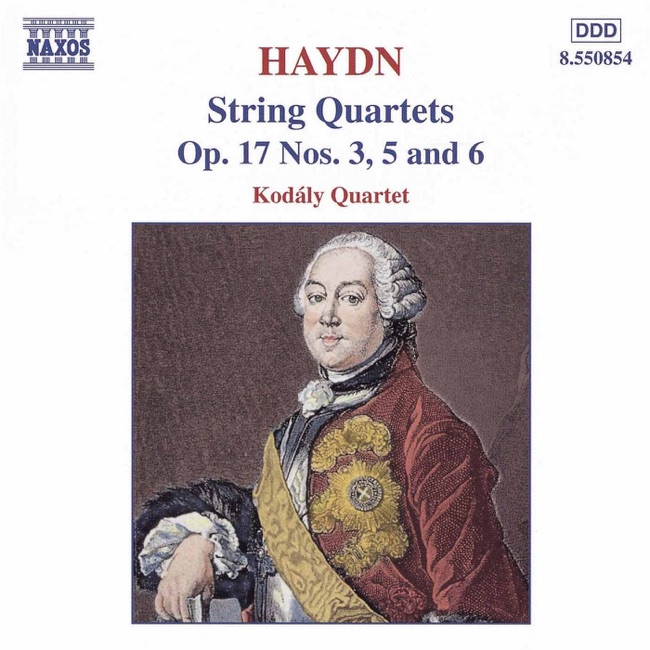
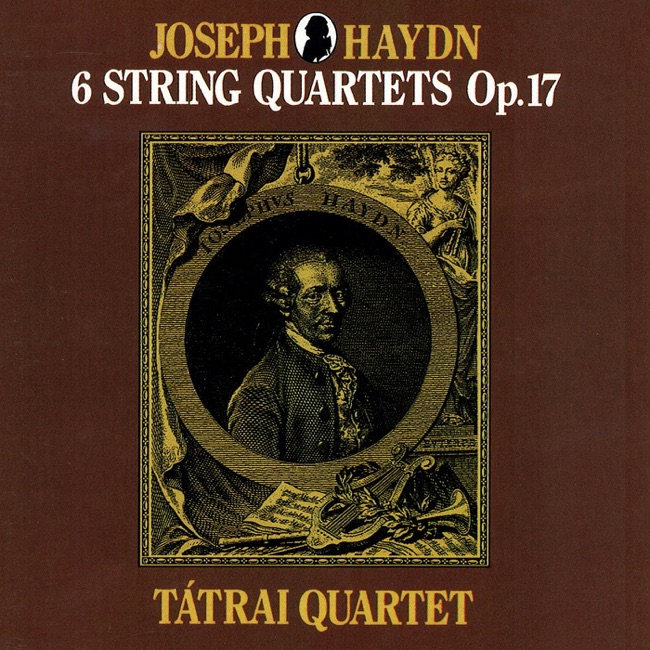
Composer:Franz Joseph HaydnGenre:ChamberStyle:QuartetCompose Date:1771Average_duration:19:09Movement_count:4Movement ....Franz Joseph Haydn's String Quartet No. 22 in G major, Op. 17/5, H. 3/29, was composed in 1771. It was premiered in Vienna, Austria, and was published by Artaria in 1774. The quartet consists of four movements: Allegro di molto, Menuetto, Adagio, and Presto. The first movement, Allegro di molto, is in sonata form and begins with a lively and energetic theme played by the first violin. The second theme is more lyrical and is played by the second violin. The development section explores both themes and leads to a recapitulation of the main themes. The second movement, Menuetto, is a traditional dance in triple meter. The melody is simple and elegant, and the trio section features a more complex and playful melody. The third movement, Adagio, is a slow and expressive piece. The first violin plays a beautiful and melancholic melody, while the other instruments provide a delicate accompaniment. The movement is notable for its use of chromaticism and expressive harmonies. The final movement, Presto, is a fast and lively piece in sonata form. The first violin plays a virtuosic and playful melody, while the other instruments provide a rhythmic accompaniment. The development section explores the themes in a more complex and contrapuntal manner, leading to a triumphant recapitulation of the main themes. Overall, Haydn's String Quartet No. 22 in G major is a masterful work that showcases his skill in writing for the string quartet. The quartet is characterized by its lively and energetic themes, elegant melodies, and expressive harmonies. It is a testament to Haydn's ability to create music that is both technically impressive and emotionally engaging.More....
Works Music
Released Music
1
3:59
2
2:49
3
4:11
4
9:30
5
2:43
7
6:32
8
5:48