


Heinrich Schütz
Das ist je gewißlich wahr, SWV 277
Released Album
Recent Album
-
-

-
-
-
-
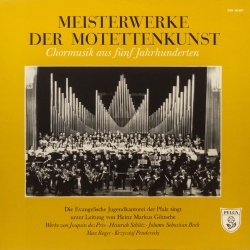
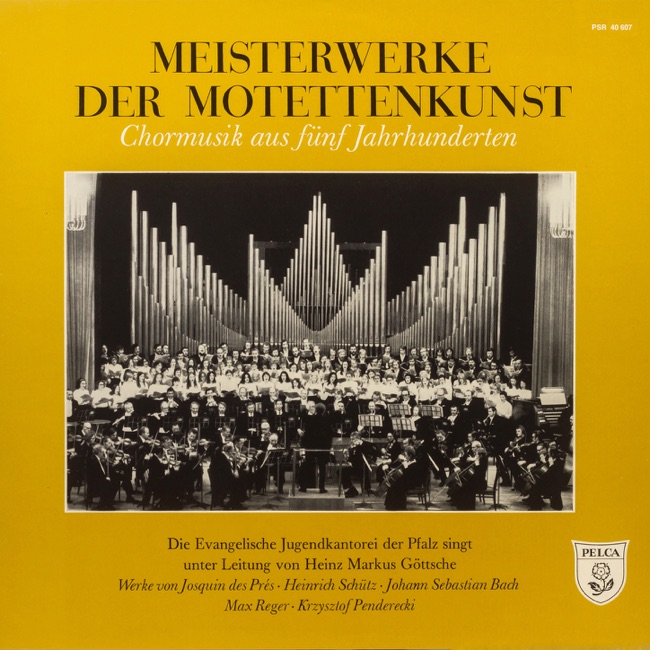 Evangelische Jugendkantorei der PfalzJanuary 21, 1976
Featured Album
Works Info
Composer:Heinrich SchützGenre:ChoralStyle:ChoralCompose Date:Nov 19, 1630Publication Date:1631Average_duration:5:23Heinrich Schütz's 'Das ist je gewißlich wahr, SWV 277' is a sacred motet composed in the early 17th century. The piece was likely composed in the early 1620s, during Schütz's tenure as Kapellmeister at the court of Elector Johann Georg I in Dresden. The motet is scored for five voices (SSATB) and basso continuo. The piece is structured in three movements, each of which sets a different biblical text. The first movement sets the words of Jesus from John 14:6, "I am the way, the truth, and the life." The second movement sets a verse from Psalm 16:11, "In thy presence is fulness of joy." The final movement sets a verse from Revelation 22:20, "Amen. Come, Lord Jesus." Schütz's setting of these texts is characterized by its expressive harmonies and use of chromaticism. The first movement, for example, features a descending chromatic line in the bass that underscores the text "I am the way." The second movement is notable for its use of suspensions and dissonances to convey the idea of "fulness of joy." The final movement features a descending chromatic line in the upper voices that underscores the text "Come, Lord Jesus." Overall, 'Das ist je gewißlich wahr, SWV 277' is a powerful example of Schütz's skill as a composer of sacred music. Its expressive harmonies and use of chromaticism make it a particularly striking example of the early Baroque style. The piece premiered in Dresden in the early 1620s and has since become a staple of the choral repertoire.More....
Works Music
Released Music
1
4:26


6
5:28
Featured Music
1
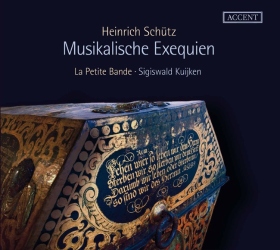
That is certainly true, SWV 277
Das ist je gewisslich wahr (SWV 277, Funeral motet for J.H. Schein)
4:19
Main Perform Artists