


Franz Joseph Haydn
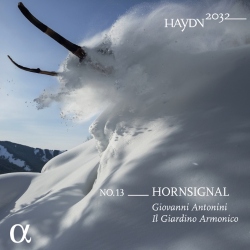
Symphony No. 31 in D major, H. 1/31 "Hornsignal"
Released Album
Recent Album
Featured Album
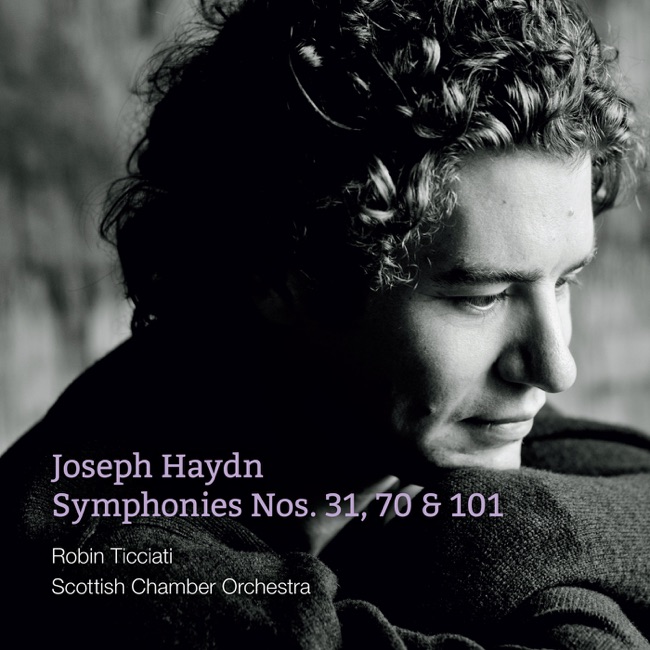
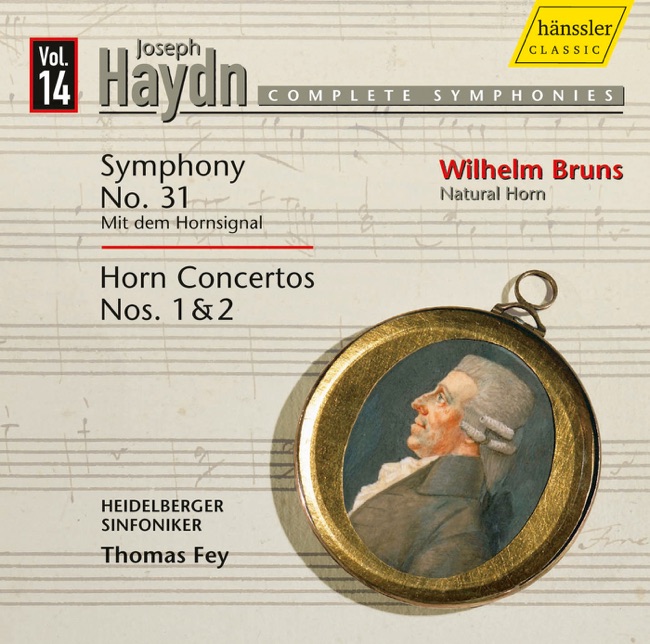
Works Info
Composer:Franz Joseph HaydnGenre:SymphonyStyle:SymphonyCompose Date:1765Average_duration:28:08Movement_count:4Movement ....Franz Joseph Haydn's Symphony No. 31 in D major, also known as the "Hornsignal," was composed in 1765. It premiered in Eisenstadt, Austria, where Haydn was employed as the court composer for the Esterházy family. The symphony is comprised of four movements and is approximately 25 minutes in length. The first movement, marked Allegro, begins with a grand and majestic introduction featuring a horn fanfare, which gives the symphony its nickname. The main theme is then introduced by the strings, which is followed by a development section that explores various themes and motifs. The movement concludes with a recapitulation of the main theme. The second movement, marked Adagio, is a slow and lyrical piece that features a solo violin accompanied by the rest of the orchestra. The violin weaves a beautiful melody that is both expressive and emotional. The third movement, marked Menuetto, is a lively and energetic dance in triple meter. The horns are featured prominently in this movement, playing a playful and syncopated melody that is both charming and delightful. The final movement, marked Allegro con spirito, is a fast and lively piece that features a fugue. The theme is introduced by the strings and is then passed around the orchestra, with each section adding their own unique voice to the mix. The movement builds to a thrilling climax before concluding with a triumphant coda. The "Hornsignal" is a prime example of Haydn's mastery of the symphonic form. The use of the horn fanfare in the first movement is a unique and innovative touch that adds a sense of grandeur and majesty to the piece. The second movement showcases Haydn's ability to write beautiful and expressive melodies, while the third movement is a testament to his skill in writing charming and playful dance music. The final movement is a tour de force of counterpoint and orchestration, demonstrating Haydn's ability to create complex and intricate musical structures. Overall, the "Hornsignal" is a masterpiece of the classical era and a testament to Haydn's genius as a composer.More....
Works Music
Released Music
1
4:56
2
7:5
3
4:47
4
4:44
7
6:43
8
3:37
9
7:22
10
4:56
Featured Music
1

5:
2
7:43
3
4:37
4
Symphony no. 31 in D major, H. 1/31 "horn signal"
Finale. Moderato molto (7 Variationen & Presto)
9:7
5
3:37
6
7:6
7
10:19
8
4:24