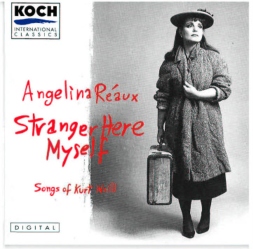
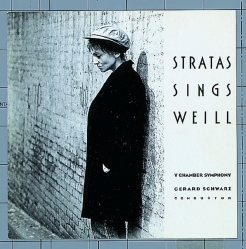
Kurt Weill
Fennimore's Song: Die arme Verwandte
Released Album
Recent Album
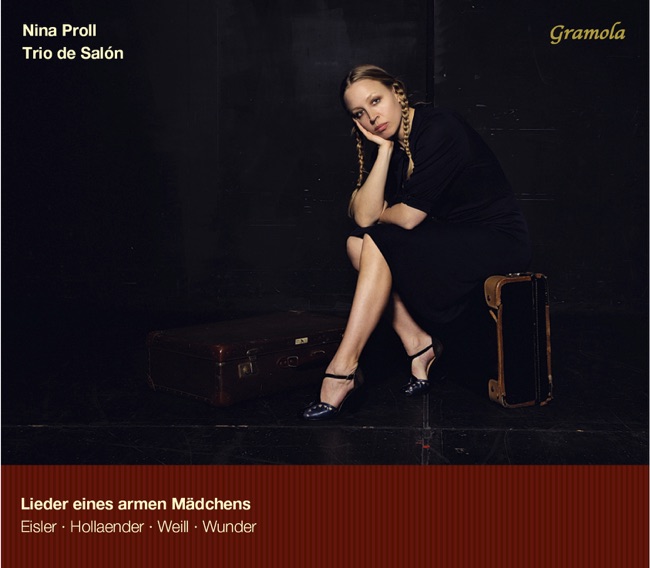
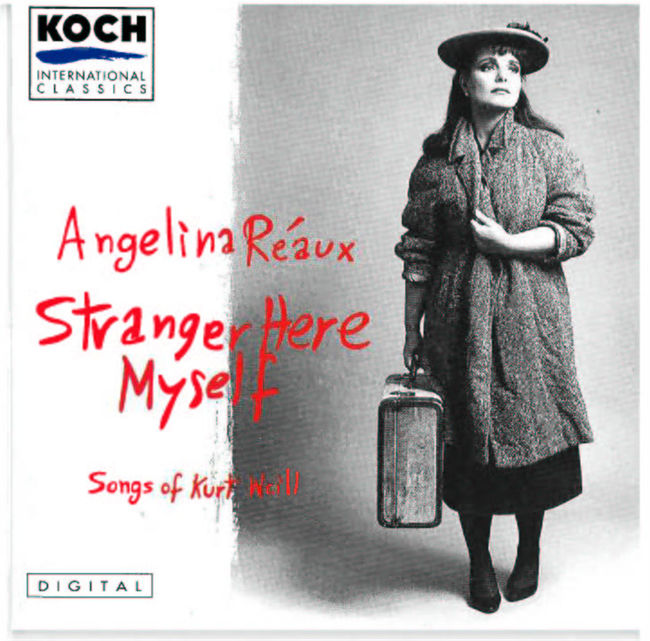
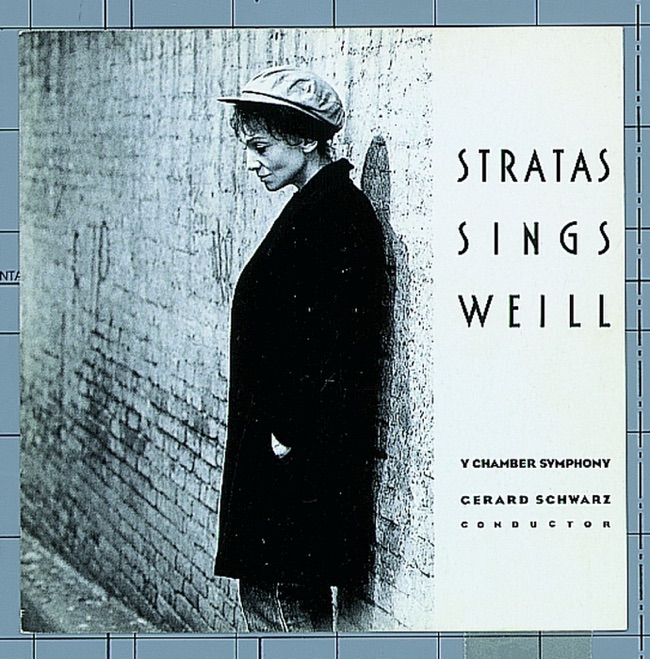
Works Info
Composer:Kurt WeillGenre:VocalStyle:Vocal MusicCompose Date:Aug 1932 - Jan 1933Publication Date:1933First Performance:Feb 18, 1933Average_duration:3:32Kurt Weill's "Fennimore's Song: Die arme Verwandte" is a song cycle composed in 1938. It premiered in Berlin on March 6, 1938, with Lotte Lenya as the soloist. The cycle consists of six movements, each with its own distinct character and mood. The first movement, "Fennimore's Song," sets the tone for the cycle with its melancholic melody and lyrics about a poor relative who is always overlooked and forgotten. The second movement, "The Little Grey House," is a wistful and nostalgic piece that evokes memories of a simpler time. The third movement, "The Lonely House," is a haunting and eerie piece that paints a picture of a desolate and abandoned home. The fourth movement, "The Old Soldier," is a lively and upbeat piece that tells the story of an old soldier who has seen it all and is now content to live out his days in peace. The fifth movement, "The Suitor," is a playful and flirtatious piece that tells the story of a young man who is trying to win the heart of a young woman. The final movement, "The Young Sailor," is a triumphant and joyful piece that celebrates the adventures and excitement of youth. Throughout the cycle, Weill's music is characterized by its use of dissonance and unconventional harmonies, which create a sense of tension and unease. The lyrics, written by Bertolt Brecht, are similarly unconventional, often using irony and satire to comment on social and political issues of the time. Overall, "Fennimore's Song: Die arme Verwandte" is a powerful and evocative work that showcases Weill's unique musical style and Brecht's incisive wit and social commentary.More....
Works Music
Released Music