


Heinrich Schütz
Danket dem Herren, denn er is freundlich (Psalm 136), SWV 32 (Op. 2/11)
Released Album
Recent Album
Works Info
Composer:Heinrich SchützGenre:ChoralStyle:PsalmPublication Date:1619Average_duration:9:18Heinrich Schütz's 'Danket dem Herren, denn er ist freundlich (Psalm 136), SWV 32 (Op. 2/11)' is a sacred choral work that was composed in the early 17th century. The piece was first performed in 1619 in Dresden, Germany, and is considered to be one of Schütz's most significant works. The piece is divided into six movements, each of which is based on a different verse from Psalm 136. The first movement is a choral setting of the opening verse, "Danket dem Herren, denn er ist freundlich," which translates to "Give thanks to the Lord, for he is good." The second movement is a duet for two sopranos, which sets the second verse, "Danket dem Gott aller Götter," or "Give thanks to the God of gods." The third movement is a choral setting of the third verse, "Danket dem Herrn aller Herren," or "Give thanks to the Lord of lords." The fourth movement is a trio for alto, tenor, and bass, which sets the fourth verse, "Der allein Wunder tut," or "Who alone does great wonders." The fifth movement is a choral setting of the fifth verse, "Der den Himmel mit Weisheit gemacht hat," or "Who by his understanding made the heavens." The final movement is a choral setting of the last verse, "Der uns gedacht hat in unserer Niedrigkeit," or "Who remembered us in our low estate." The piece is characterized by its use of polyphony, which is a technique that involves multiple independent voices singing different melodies at the same time. Schütz's use of polyphony creates a rich and complex texture that is both harmonically and rhythmically interesting. The piece also features a variety of vocal textures, including solos, duets, trios, and full choir, which adds to its overall musical diversity. Overall, 'Danket dem Herren, denn er ist freundlich (Psalm 136), SWV 32 (Op. 2/11)' is a masterful example of Schütz's skill as a composer of sacred choral music. Its use of polyphony and vocal textures, combined with its beautiful setting of the psalm text, make it a timeless work that continues to be performed and appreciated by audiences today.More....
Works Music
Released Music
1
5:11
2
5:56
3
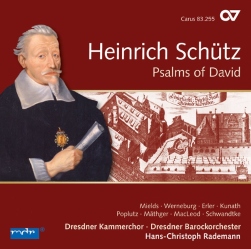
Give thanks to the Lord for he is kind (Psalm 136), SWV 32 (Op. 2/11)
Danket dem Herren, denn er ist freundlich, SWV 32
5:56
4
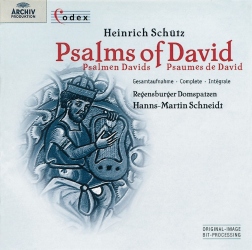
Give thanks to the Lord for he is kind (Psalm 136), SWV 32 (Op. 2/11)
"Danket dem Herren, denn er ist freundlich" SWV 32
5:4
5
6:54
6
6:54
Main Perform Artists
Tenor (Vocal)
Alto (Vocals)
Tenor (Vocal)
Bass (Vocal)
Soprano (Vocal)