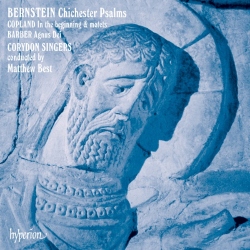
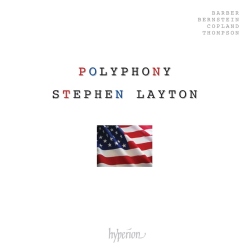
Aaron Copland
Motets (4)
Released Album
Recent Album
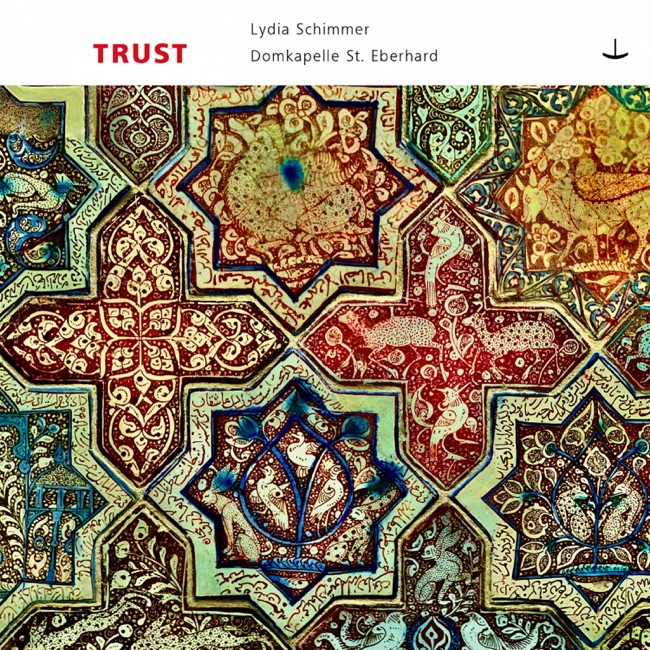
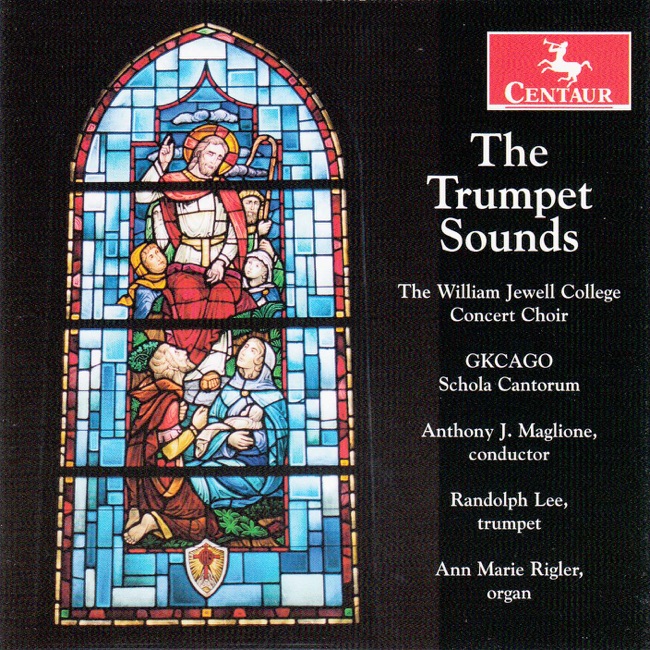

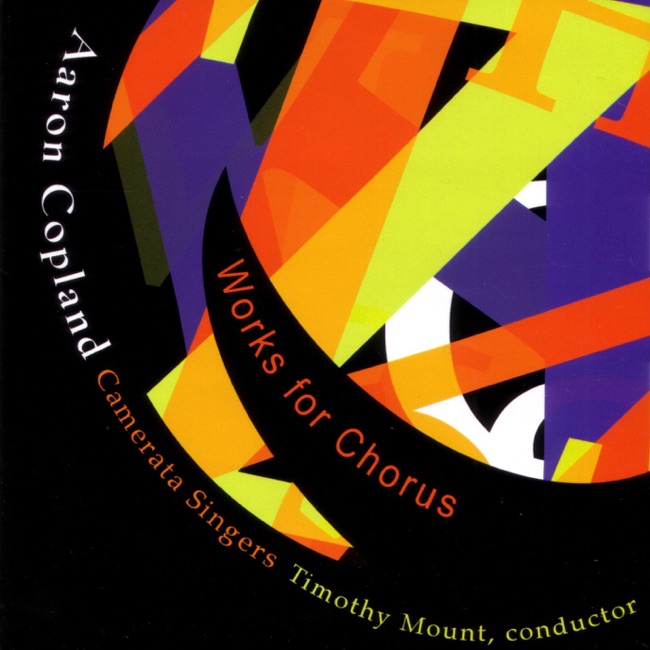
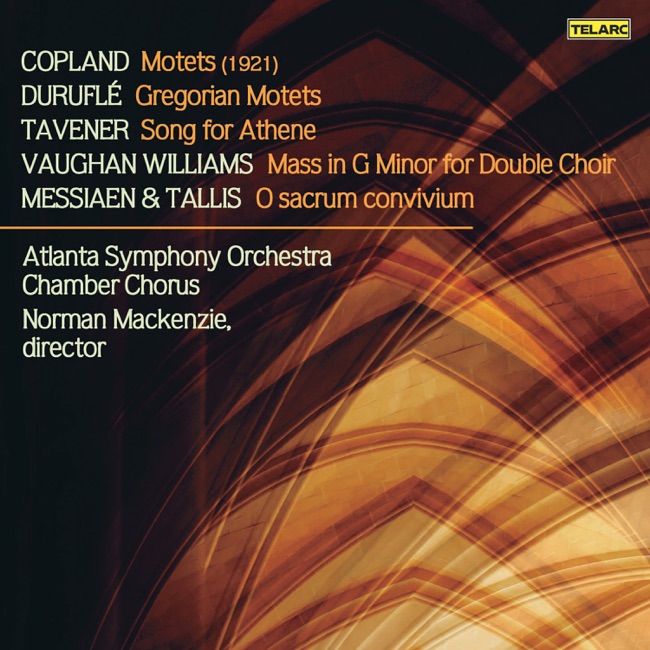

Featured Album

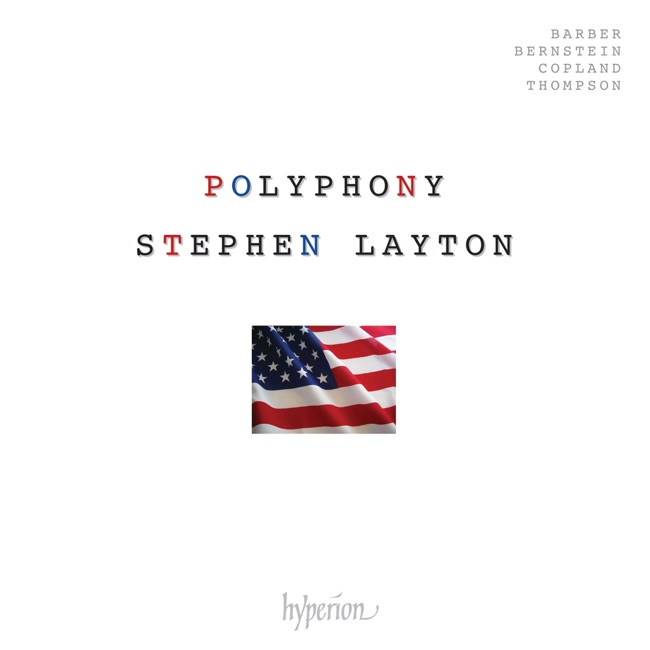
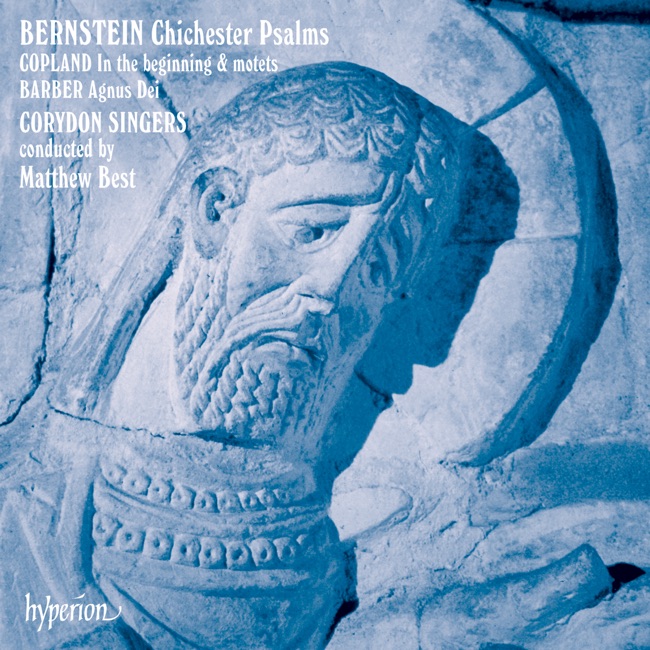
Works Info
Composer:Aaron CoplandGenre:ChoralStyle:MotetCompose Date:1921Average_duration:9:54Movement_count:4Movement ....Aaron Copland's "Motets (4)" is a choral work composed in 1921. The piece premiered on May 22, 1924, at the New School for Social Research in New York City. The work consists of four movements, each with its own unique characteristics. The first movement, "Help Us, O Lord," is a setting of a traditional text. It begins with a unison chant-like melody that gradually builds in intensity as the choir adds more voices. The harmonies are simple and mostly diatonic, with occasional dissonances that add color and tension. The movement ends with a quiet, prayerful plea for help. The second movement, "Have Mercy on Us, O My Lord," is also a setting of a traditional text. It begins with a solo soprano voice singing a plaintive melody that is then taken up by the choir. The harmonies are more complex than in the first movement, with frequent modulations and chromaticism. The movement ends with a quiet, peaceful resolution. The third movement, "Thou, O Jehovah, Abideth Forever," is a setting of a psalm text. It begins with a lively, rhythmic melody in the lower voices that is then echoed by the upper voices. The harmonies are more dissonant and modern-sounding than in the previous movements, with frequent use of bitonality and polytonality. The movement ends with a triumphant, exultant declaration of faith. The fourth and final movement, "Have Mercy on Us, O Lord," is a setting of a text by the composer himself. It begins with a solo soprano voice singing a mournful melody that is then taken up by the choir. The harmonies are more tonal and consonant than in the previous movement, with occasional dissonances that add color and emotion. The movement ends with a quiet, peaceful plea for mercy. Overall, "Motets (4)" is a beautiful and expressive choral work that showcases Copland's skillful use of harmony, melody, and text setting. The four movements each have their own unique character and mood, but they are united by a sense of reverence and devotion.More....
Works Music
Released Music

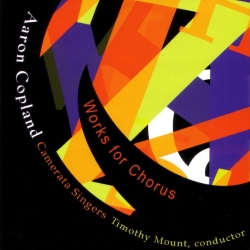
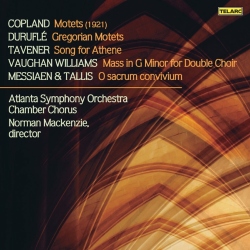

Featured Music