Traditional Arabic-Andalusian
M'saddar / Sana'a (1)
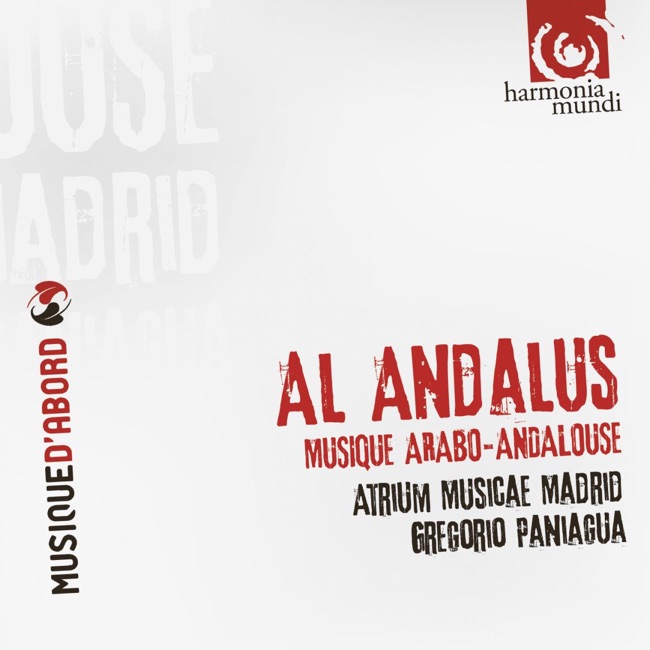
Works Info
Composer:Traditional Arabic-AndalusianAverage_duration:4:51M'saddar/Sana'a (1) is a traditional Arabic-Andalusian musical composition that has been passed down through generations of musicians. It is believed to have originated in the Andalusian region of Spain during the Islamic Golden Age and was later brought to North Africa and the Middle East by Muslim scholars and musicians. The exact date of composition is unknown, but it is believed to have been created during the 9th or 10th century. The composition is typically performed by a small ensemble of musicians, including a lead vocalist, a percussionist, and several instrumentalists playing the oud, violin, and qanun. M'saddar/Sana'a (1) is divided into several movements, each with its own distinct characteristics. The first movement is typically slow and contemplative, with the lead vocalist singing a melodic line over a simple instrumental accompaniment. The second movement is more upbeat and rhythmic, with the percussionist and instrumentalists providing a lively backdrop for the lead vocalist's improvisations. The third movement is typically the most complex and virtuosic, with the instrumentalists taking turns to showcase their skills in extended solos. The final movement is a return to the slower, more contemplative mood of the first movement, with the lead vocalist bringing the composition to a peaceful and meditative close. Overall, M'saddar/Sana'a (1) is characterized by its intricate melodies, complex rhythms, and improvisational nature. It is a testament to the rich cultural heritage of the Islamic world and continues to be performed and appreciated by musicians and audiences around the world.More....
Works Music