Moritz Moszkowski
Études for piano, Op. 52
Released Album
Recent Album
-
-
-
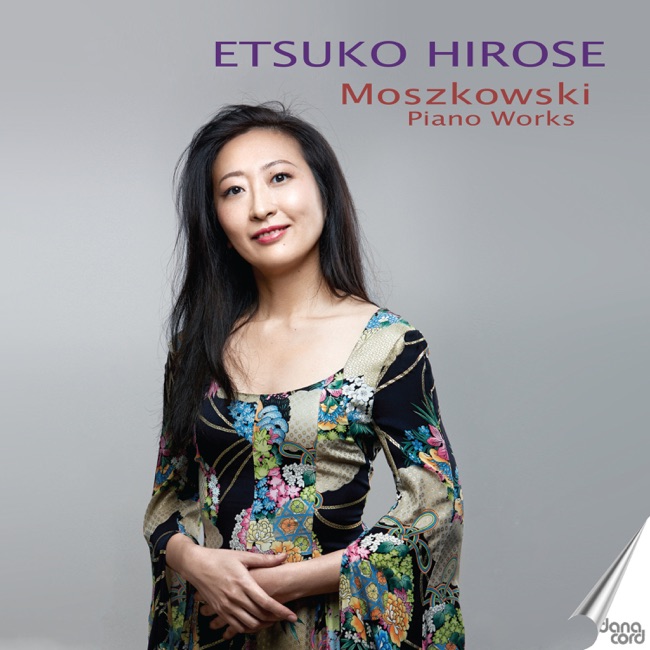
-

-
 Fanny Bloomfield-ZeislerOctober 13, 2017
 -
-
-
-
-
-
Works Info
Composer:Moritz MoszkowskiGenre:KeyboardStyle:EtudeMoritz Moszkowski's Études for piano, Op. 52, is a set of twelve virtuosic piano pieces that were composed in 1899. The work was premiered in the same year by the composer himself in Berlin. The Études are divided into two books, each containing six pieces, and are considered to be some of Moszkowski's most challenging and technically demanding compositions. The first book of Études begins with a fast and energetic piece titled "Allegro energico." This piece sets the tone for the rest of the book, which is filled with fast and technically demanding pieces that showcase the pianist's virtuosity. The second piece, "Allegro con fuoco," is a fiery and passionate piece that requires the pianist to play with great intensity and speed. The third piece, "Allegro moderato," is a more lyrical and melodic piece that provides a brief respite from the technical demands of the first two pieces. The fourth piece, "Allegro molto," is a fast and playful piece that requires the pianist to play with great agility and precision. The fifth piece, "Allegro vivace," is a lively and energetic piece that features rapid runs and arpeggios. The final piece in the first book, "Allegro con brio," is a triumphant and celebratory piece that brings the first book to a thrilling conclusion. The second book of Études begins with a piece titled "Allegro moderato," which is a more subdued and introspective piece than the opening piece of the first book. The second piece, "Allegro con fuoco," is a fiery and passionate piece that requires the pianist to play with great intensity and speed, much like the second piece of the first book. The third piece, "Allegro moderato," is a more lyrical and melodic piece that provides a brief respite from the technical demands of the first two pieces. The fourth piece, "Allegro molto," is a fast and playful piece that requires the pianist to play with great agility and precision, much like the fourth piece of the first book. The fifth piece, "Allegro vivace," is a lively and energetic piece that features rapid runs and arpeggios, much like the fifth piece of the first book. The final piece in the second book, "Allegro con brio," is a triumphant and celebratory piece that brings the entire work to a thrilling conclusion. Overall, Moszkowski's Études for piano, Op. 52, are a challenging and technically demanding set of pieces that require great skill and virtuosity from the pianist. The pieces are characterized by their fast tempos, intricate runs and arpeggios, and intense emotional expression. Despite their technical demands, the pieces are also highly melodic and expressive, showcasing Moszkowski's skill as a composer of both technical and emotional music.More....
Works Music
Released Music