Heinrich Schütz
Jubilate Deo omnis terra, SWV 332 (Op. 9/27)
Released Album
Recent Album
Works Info
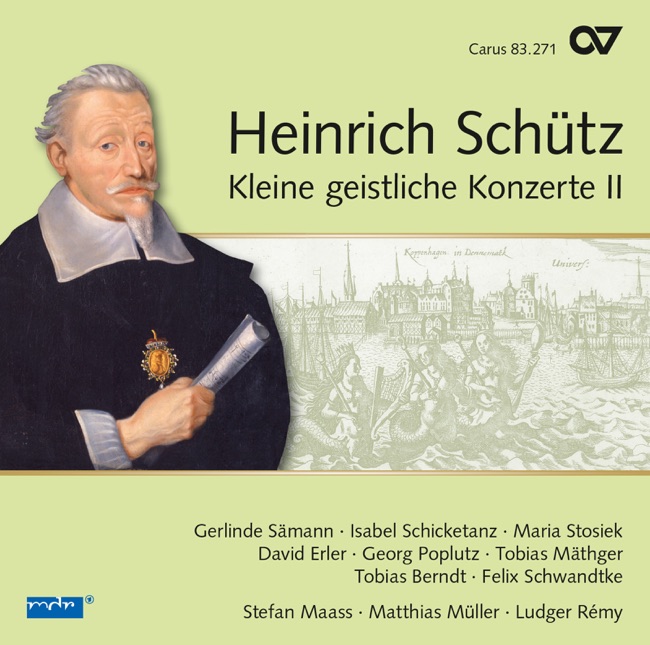
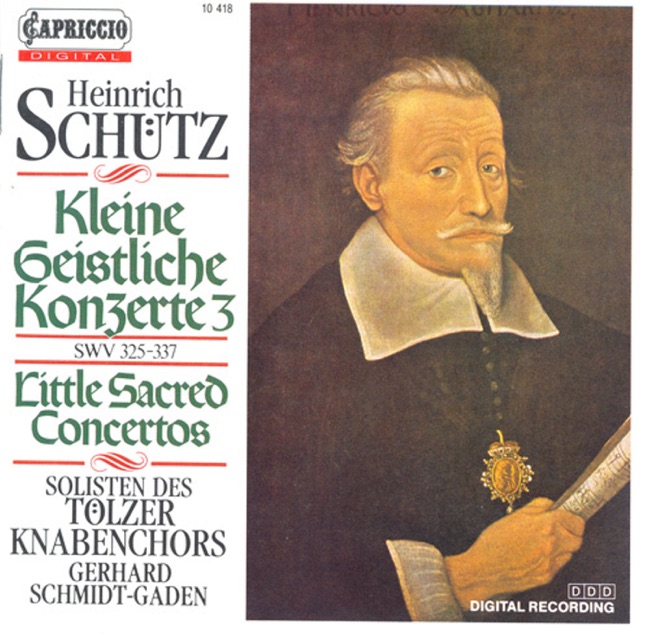
Composer:Heinrich SchützGenre:ChoralStyle:ChoralPublication Date:1639Average_duration:5:50Heinrich Schütz's 'Jubilate Deo omnis terra, SWV 332 (Op. 9/27)' is a sacred choral work that was composed in the early 17th century. The piece was first performed in 1647 in Dresden, Germany, and is considered to be one of Schütz's most celebrated works. The composition is divided into six movements, each of which is based on a different section of Psalm 100. The first movement, 'Jubilate Deo omnis terra,' is a joyful and exuberant setting of the opening verse of the psalm. The second movement, 'Servite Domino in laetitia,' is a lively and rhythmic setting of the second verse, which calls on the faithful to serve the Lord with gladness. The third movement, 'Introite in conspectu eius,' is a more contemplative setting of the third verse, which invites the faithful to enter into the presence of the Lord with thanksgiving. The fourth movement, 'Scitote quoniam Dominus ipse est Deus,' is a majestic and powerful setting of the fourth verse, which proclaims that the Lord is God and that we are his people. The fifth movement, 'Laudate Dominum omnes gentes,' is a joyful and celebratory setting of the fifth verse, which calls on all nations to praise the Lord. The final movement, 'Quoniam confirmata est super nos misericordia eius,' is a peaceful and reflective setting of the final verse, which affirms the Lord's mercy and faithfulness. Overall, 'Jubilate Deo omnis terra' is characterized by its rich harmonies, expressive melodies, and intricate counterpoint. Schütz's use of contrasting textures and dynamics creates a sense of drama and intensity, while his skillful handling of the text ensures that the music is always in service of the sacred text. The piece is a testament to Schütz's mastery of the choral form and his deep faith in God.More....
Works Music
Released Music