Alexander Scriabin
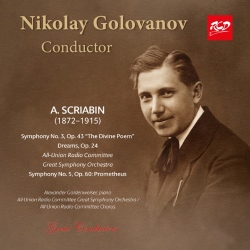
Symphony No. 3 in C minor, Op. 43 "Divine Poem"
Released Album
Recent Album
-
-
-
 Nunzio dello IacovoJanuary 14, 2022
 -
-

-
-
-
-
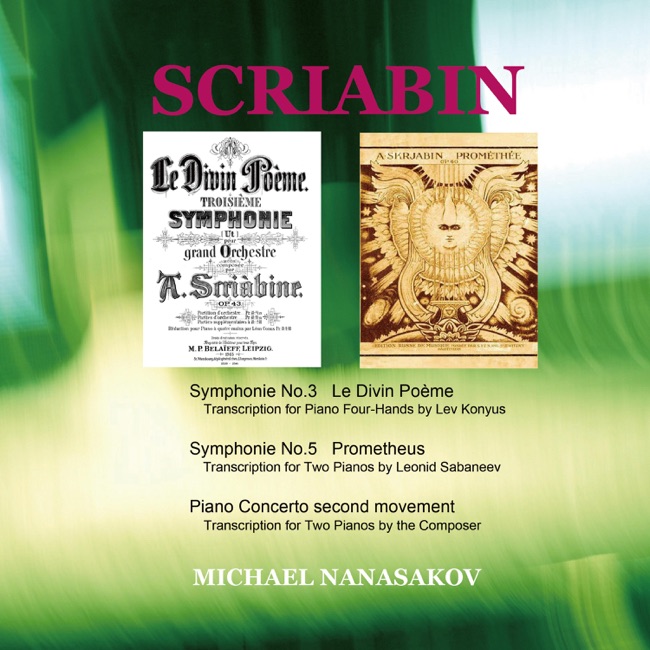 Michael NanasakovSeptember 14, 2015
 -
-
-
Featured Album
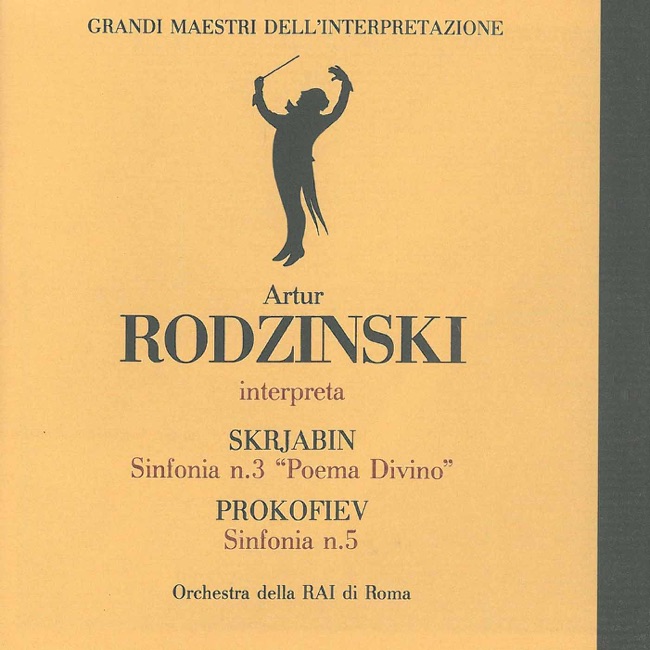
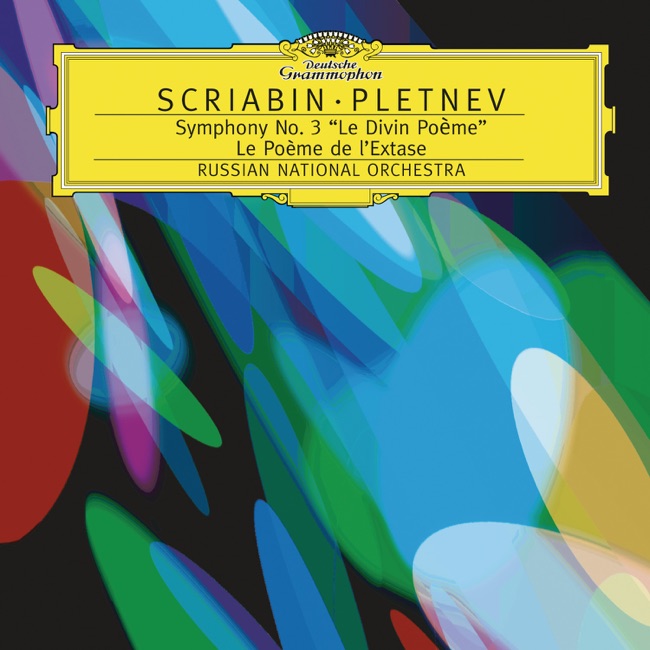
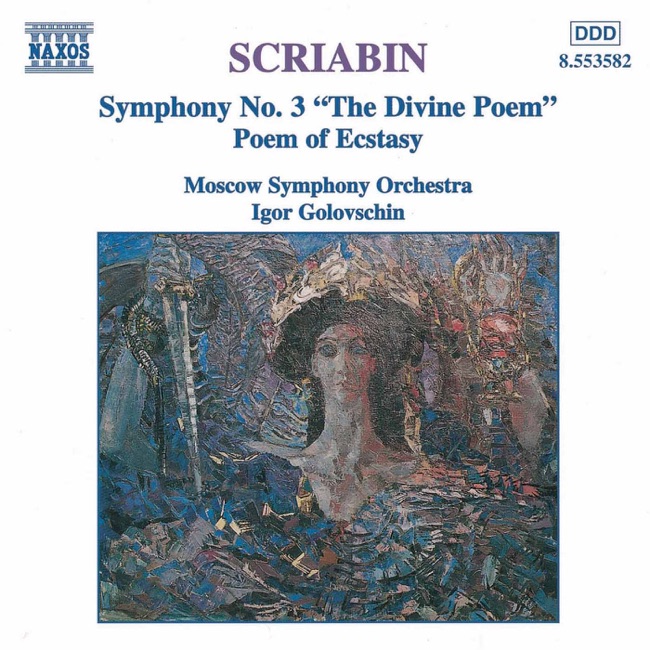
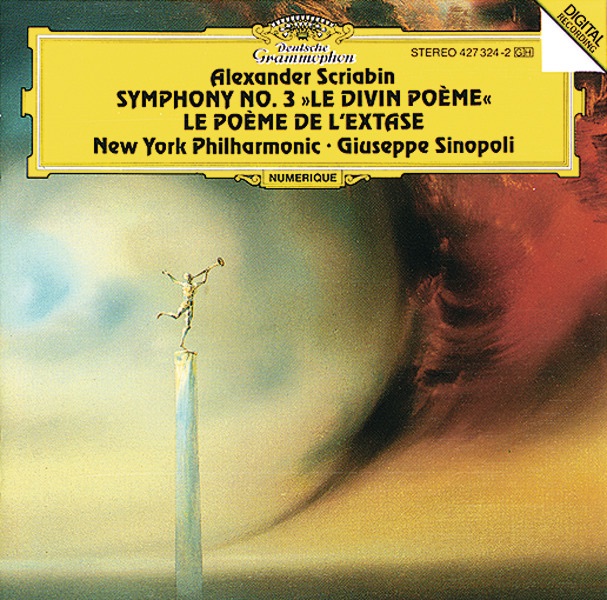
Works Info
Composer:Alexander ScriabinGenre:SymphonyStyle:SymphonyCompose Date:1902 - 1904Average_duration:45:27Movement_count:3Movement ....Alexander Scriabin's Symphony No. 3 in C minor, Op. 43, also known as the "Divine Poem," was composed between 1902 and 1904. The symphony premiered in Moscow on January 9, 1905, with the composer conducting. The symphony is divided into four movements, each with its own distinct character and mood. The first movement, marked "Lento," begins with a somber and mysterious introduction, featuring a solo horn and a haunting melody in the strings. The music gradually builds in intensity, with the full orchestra joining in and the tempo increasing. The movement is characterized by its rich harmonies and lush orchestration, as well as its use of chromaticism and dissonance. The second movement, marked "Allegro," is a lively and energetic scherzo. The music is marked by its rhythmic vitality and playful character, with the orchestra engaging in a lively dialogue between the various sections. The movement features a prominent role for the percussion section, including timpani, snare drum, and cymbals. The third movement, marked "Lento," is a slow and introspective adagio. The music is marked by its lyrical melodies and expressive harmonies, with the strings and woodwinds taking center stage. The movement is characterized by its use of chromaticism and dissonance, as well as its rich and complex textures. The final movement, marked "Allegro," is a triumphant and exuberant finale. The music is marked by its driving rhythms and bold melodies, with the orchestra building to a powerful climax. The movement features a prominent role for the brass section, including trumpets, trombones, and tuba, as well as a prominent role for the percussion section. Overall, Scriabin's Symphony No. 3 is characterized by its rich harmonies, lush orchestration, and expressive melodies. The symphony is also notable for its use of chromaticism and dissonance, as well as its bold and innovative approach to orchestration. The work is considered one of Scriabin's most important and influential compositions, and it remains a staple of the orchestral repertoire to this day.More....
Works Music
Released Music

3
23:48
6
24:6
8
24:33
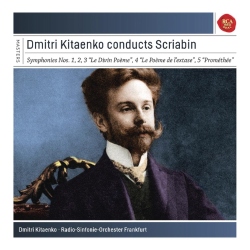
Featured Music
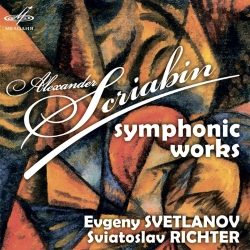
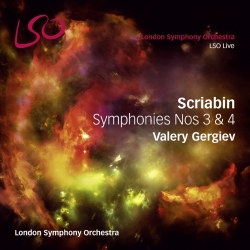
6
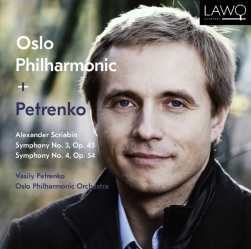
1:2