


Georg Philipp Telemann
Quartet for flute, violin, cello & continuo in E minor, TWV 43:e2
Released Album
Recent Album

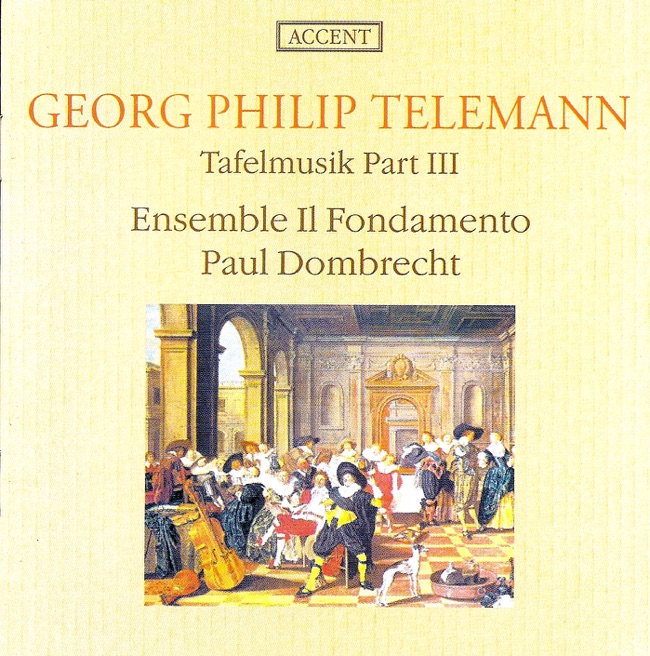
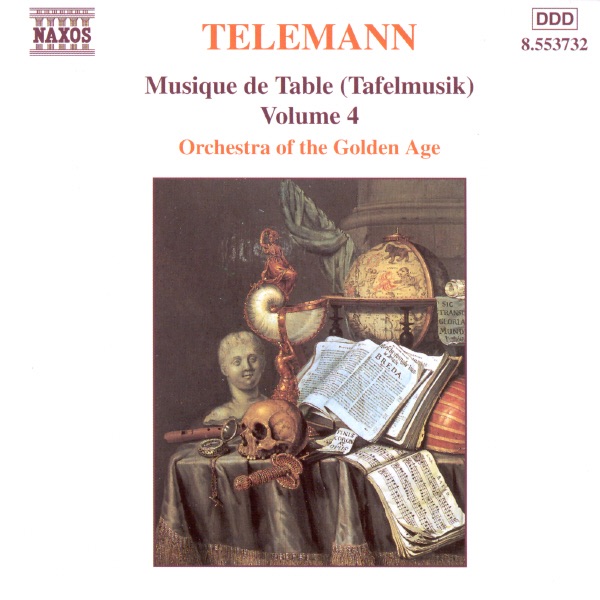

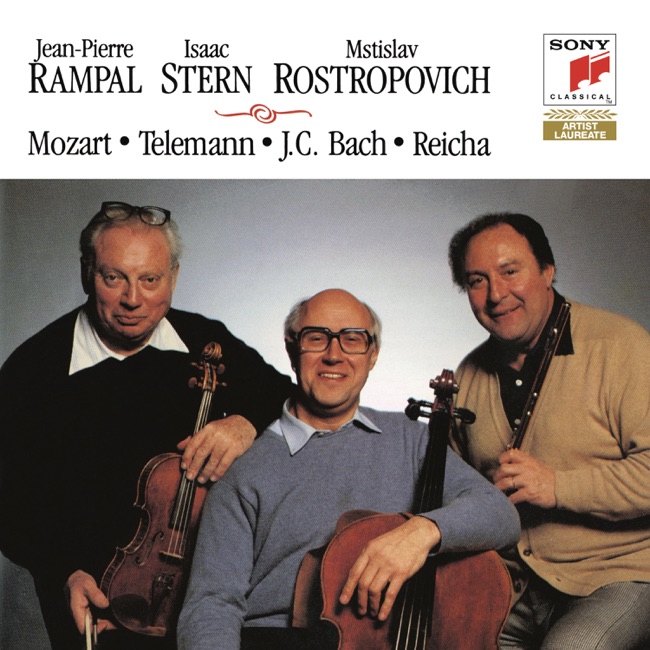
Featured Album
Works Info
Composer:Georg Philipp TelemannGenre:ChamberStyle:Chamber MusicCompose Date:1733Publication Date:1733Average_duration:9:44Movement_count:4Movement ....Georg Philipp Telemann's Quartet for flute, violin, cello & continuo in E minor, TWV 43:e2, was composed in the early 18th century. The exact date of composition is unknown, but it is believed to have been written between 1716 and 1721. The quartet was premiered in Hamburg, Germany, where Telemann was the director of music for the city's five main churches. The quartet consists of four movements: Adagio, Allegro, Largo, and Presto. The first movement, Adagio, is a slow and expressive introduction that sets the tone for the rest of the piece. The second movement, Allegro, is a lively and energetic dance-like movement that showcases the virtuosity of the performers. The third movement, Largo, is a slow and melancholic movement that features a beautiful melody played by the flute and violin. The final movement, Presto, is a fast and lively movement that brings the quartet to a thrilling conclusion. One of the characteristics of Telemann's Quartet for flute, violin, cello & continuo in E minor is its use of counterpoint. Telemann was a master of counterpoint, and he uses it extensively throughout the quartet. The interplay between the different instruments creates a rich and complex texture that is both engaging and satisfying to listen to. Another characteristic of the quartet is its use of ornamentation. Telemann was known for his use of ornamentation, and he employs it extensively in this piece. The performers are given a great deal of freedom to add their own embellishments to the music, which adds to the overall beauty and expressiveness of the piece. Overall, Telemann's Quartet for flute, violin, cello & continuo in E minor, TWV 43:e2, is a beautiful and engaging piece of music that showcases the composer's mastery of counterpoint and ornamentation. Its four movements are each unique and offer a range of emotions and moods, making it a rewarding piece to listen to and perform.More....
Works Music
Released Music
1

1:51
2
2:10
3

2:2
4
2:15
5
2:2
6
2:15
7
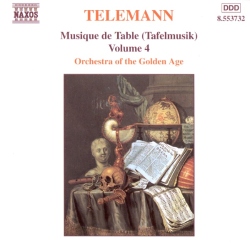
2:17
8

2:22
9
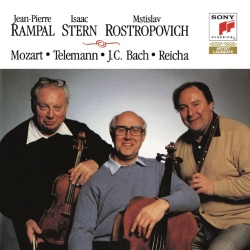
2:13
Featured Music
1
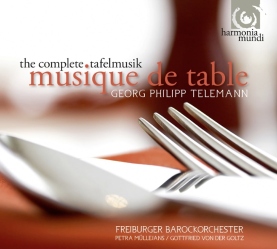
2:22
2
2:
3
2:30
4
4:18
Main Perform Artists