


Orchestra of the Golden Age
Released Album
Orchestral
-
 January 1, 2007
 -
 August 25, 1998
Chamber
-
 September 28, 1999
 -
 June 22, 1999
 -
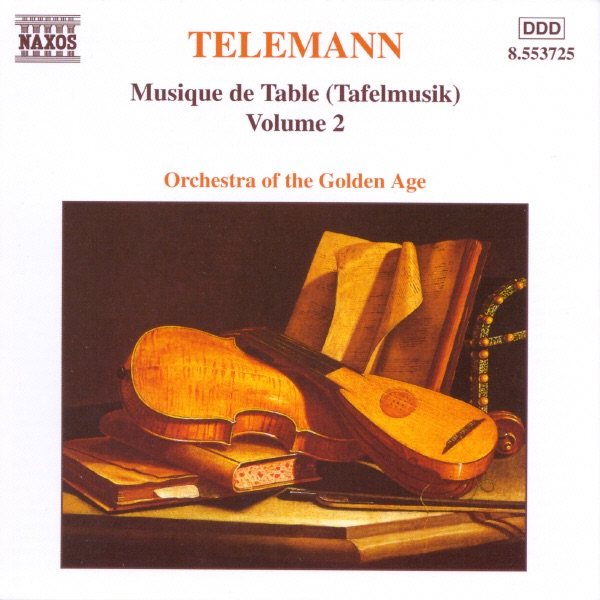 March, 1999
Choral
-
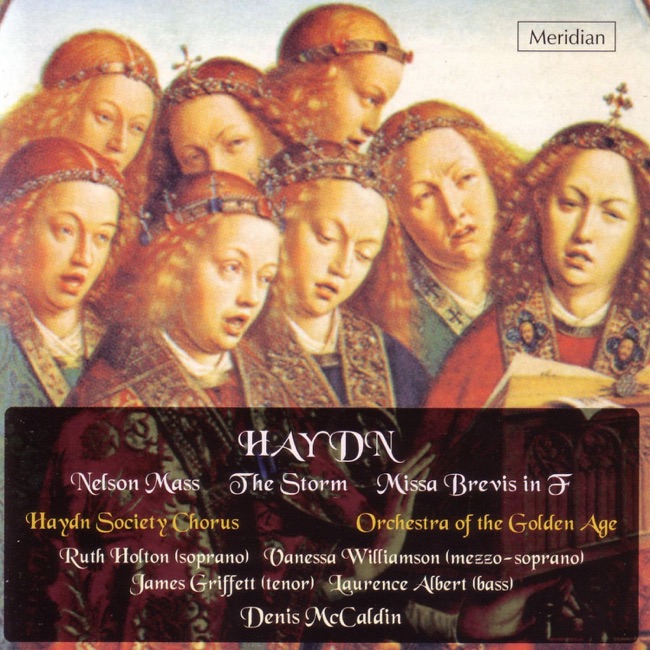 January 26, 1999
 -
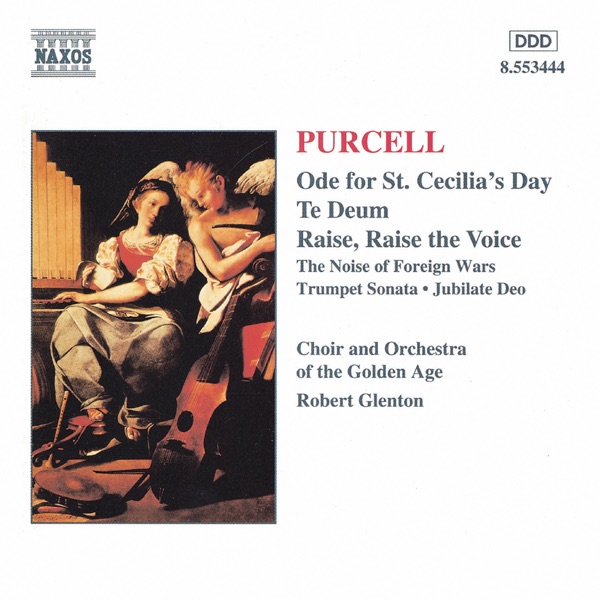
Artist Info
Role:EnsembleGenre:ChamberConcertoOrchestralThe Orchestra of the Golden Age is a classical music ensemble that was founded in 1999 by a group of musicians who shared a passion for historically informed performance. The ensemble is based in London, England, and is known for its authentic interpretations of music from the Baroque and Classical periods. The founding members of the Orchestra of the Golden Age included violinist Catherine Manson, cellist Jonathan Manson, and harpsichordist Nicholas Parle. They were joined by a number of other musicians who shared their interest in historically informed performance, including violinist Rachel Podger, flutist Lisa Beznosiuk, and oboist Anthony Robson. From the beginning, the Orchestra of the Golden Age was committed to performing on period instruments and using historically accurate performance practices. This meant that the ensemble used instruments that were similar to those that would have been used during the time period in which the music was written, and that they followed the performance practices that were common during that time. One of the highlights of the Orchestra of the Golden Age's early years was their performance of Bach's St. John Passion in 2000. This performance was praised for its authenticity and emotional power, and helped to establish the ensemble as a leading interpreter of Baroque music. Over the years, the Orchestra of the Golden Age has continued to perform a wide range of music from the Baroque and Classical periods, including works by Handel, Vivaldi, Mozart, and Haydn. They have also collaborated with a number of other musicians and ensembles, including the Choir of King's College, Cambridge, and the Academy of Ancient Music. In addition to their performances, the Orchestra of the Golden Age has also received a number of awards and accolades for their recordings. Their recording of Bach's Brandenburg Concertos was named one of the top classical recordings of 2006 by The New York Times, and their recording of Handel's Water Music was nominated for a Grammy Award in 2010. One of the defining characteristics of the Orchestra of the Golden Age is their commitment to authenticity and historical accuracy. This has led them to use a wide range of period instruments, including violins, cellos, flutes, oboes, and harpsichords. They have also experimented with different performance practices, such as using gut strings on their instruments and playing with a lighter touch. Despite their focus on historical accuracy, the Orchestra of the Golden Age is also known for their emotional and expressive performances. They are able to bring a sense of vitality and energy to their interpretations of Baroque and Classical music, and are able to connect with audiences on a deep and emotional level. In recent years, the Orchestra of the Golden Age has continued to perform and record music from the Baroque and Classical periods. They have also expanded their repertoire to include music from the Romantic period, and have collaborated with a number of contemporary composers. Overall, the Orchestra of the Golden Age is a unique and innovative ensemble that has made a significant contribution to the world of classical music. Their commitment to historical accuracy and authenticity has helped to bring new life to music from the Baroque and Classical periods, and their emotional and expressive performances have touched audiences around the world.More....
Recent Artist Music
1
1:26
2
4:19
4
3:32
5
2:59
6
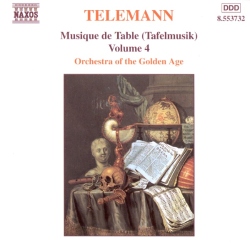
2:17
7
Quartet for flute, oboe, violin & continuo in G major, TWV 43:G2
II. Vivace - Moderato - Vivace
7:2
8
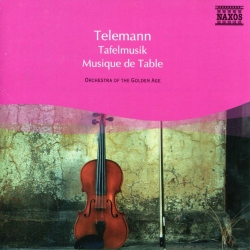
3:18
9

Concerto for flute, violin, cello in A major (Tafelmusik I/3), TWV 53:A2
Musique de table, Part I: Concerto for Flute, Violin, and Cello in A Major, TWV 53:A2: II. Allegro
9:10
Copyright Ⓒ 2013 Davinci Finger. All rights reseved
Service Terms & Policy