Edward Elgar
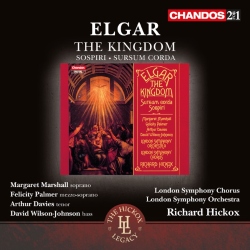
Sursum Corda in B flat major, Op. 11
Released Album
Recent Album
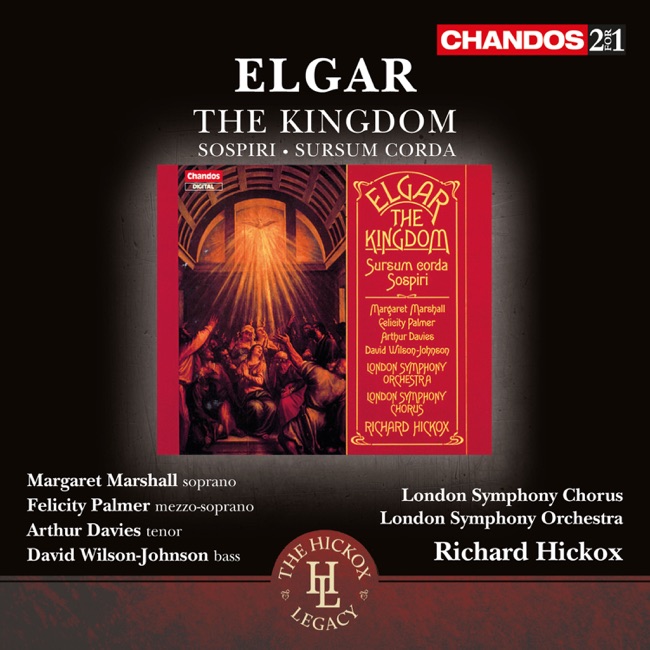



Featured Album
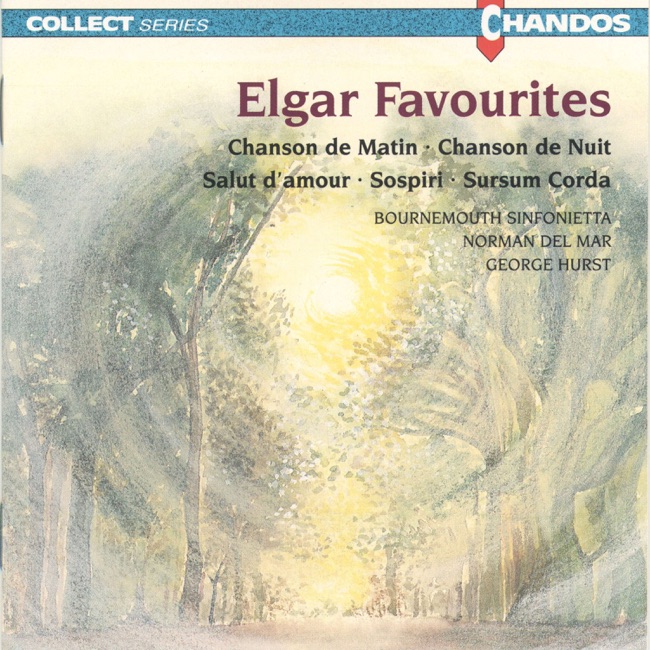
Works Info
Composer:Edward ElgarGenre:OrchestralStyle:Occasional MusicCompose Date:1894Average_duration:7:30Sursum Corda in B flat major, Op. 11 is a choral work composed by Edward Elgar in 1894. The piece was premiered on October 4, 1894, at the Worcester Festival in England. The work is divided into three movements, each with its own unique characteristics. The first movement, marked "Moderato," begins with a solemn and majestic introduction by the orchestra. The choir then enters with the Latin text "Sursum Corda" (Lift up your hearts), which is repeated throughout the movement. The music is characterized by rich harmonies and a sense of grandeur, with the choir and orchestra building to a powerful climax. The second movement, marked "Andante," is a more introspective and contemplative section. The choir sings the text "Qui tollis peccata mundi" (Who takes away the sins of the world), with the orchestra providing a gentle accompaniment. The music is marked by a sense of longing and yearning, with Elgar's use of chromatic harmonies adding to the emotional depth of the piece. The final movement, marked "Allegro," is a joyful and celebratory section. The choir sings the text "Gloria in excelsis Deo" (Glory to God in the highest), with the orchestra providing a lively and energetic accompaniment. The music is characterized by its rhythmic vitality and exuberance, with Elgar's use of syncopation and shifting meters adding to the sense of excitement. Overall, Sursum Corda in B flat major, Op. 11 is a powerful and moving choral work that showcases Elgar's skill as a composer. The piece is marked by its rich harmonies, emotional depth, and sense of grandeur, making it a favorite among choral groups and audiences alike.More....
Works Music