


Johann Sebastian Bach
Cantata No. 47, "Wer sich selbst erhöhet", BWV 47
Released Album
Recent Album
-
-
-

-
 Shinji IshiharaSeptember 28, 2016
 -
-
-
-
-
-
-
-
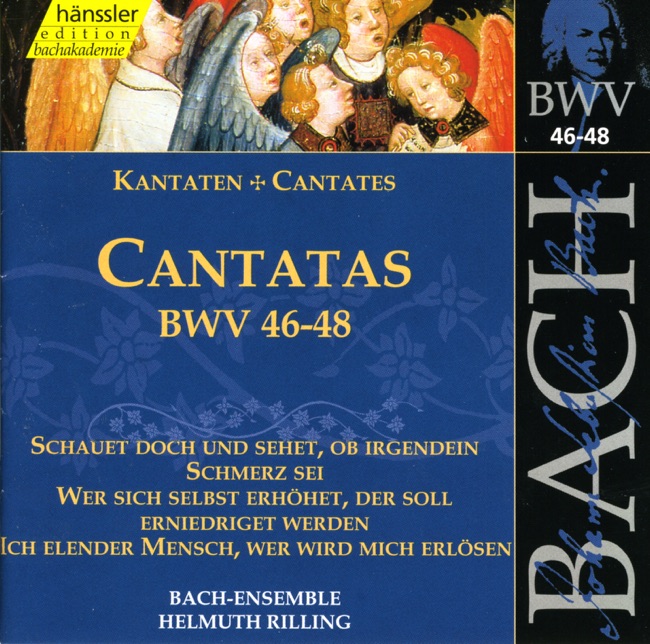
Featured Album
Works Info
Composer:Johann Sebastian BachGenre:ChoralStyle:CantataCompose Date:Oct 13, 1726Publication Date:1860First Performance:Oct 13, 1726Average_duration:22:40Movement_count:5Movement ....Johann Sebastian Bach composed Cantata No. 47, Wer sich selbst erhöhet, BWV 47, in Leipzig in 1726. The cantata premiered on June 11, 1726, as part of the liturgy for the Feast of the Visitation of Mary. The cantata is divided into six movements and is scored for soprano, alto, tenor, and bass soloists, a four-part choir, and a Baroque orchestra consisting of two oboes, two violins, viola, and basso continuo. The first movement is an aria for bass soloist and orchestra. The text, taken from the Gospel of Luke, warns against pride and self-exaltation. The music is characterized by a lively, dance-like rhythm and a virtuosic vocal line that emphasizes the text's admonition to "humble oneself." The second movement is a recitative for tenor soloist, accompanied by continuo. The text reflects on the humility of Mary, the mother of Jesus, and contrasts it with the arrogance of those who seek to exalt themselves. The third movement is an aria for alto soloist and orchestra. The text, taken from the Book of Proverbs, praises humility and warns against the dangers of pride. The music is characterized by a gentle, flowing melody and a richly ornamented vocal line. The fourth movement is a recitative for soprano soloist, accompanied by continuo. The text reflects on the transience of earthly glory and the ultimate futility of seeking to exalt oneself. The fifth movement is a duet for soprano and bass soloists, accompanied by orchestra. The text, taken from the Gospel of Luke, praises the humility of Mary and the blessings that come to those who humble themselves. The music is characterized by a gentle, lilting melody and a delicate interplay between the two soloists. The final movement is a chorale for choir and orchestra. The text, taken from a hymn by Johann Heermann, exhorts the listener to seek humility and to trust in God's mercy and grace. The music is characterized by a simple, hymn-like melody and a richly harmonized choral texture. Overall, Cantata No. 47 is a powerful meditation on the dangers of pride and the virtues of humility. Bach's music is characterized by a lively, dance-like energy, richly ornamented vocal lines, and a deep sense of spiritual reflection and contemplation.More....
Works Music
Released Music
2
Cantata no. 47, "He who exalts himself", BWV 47
No. 1, Wer sich selbst erhöhet, der soll erniedriget werden
5:14

4
5:38
6
Cantata no. 47, "He who exalts himself", BWV 47
Wer sich selbst erhöhet, der soll erniedrigt werden
5:43
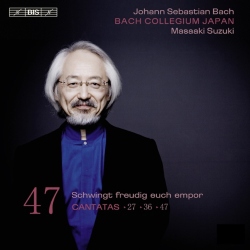
10
Cantata no. 47, "He who exalts himself", BWV 47
No. 1. Coro. Wer sich selbst erhöhet, der soll erniedriget werden
5:21
Featured Music
1
Cantata no. 47, "He who exalts himself", BWV 47
Chorus. Wer sich selbst erhöhet, der soll erniedriget werden
4:47
3
Cantata no. 47, "He who exalts himself", BWV 47
Recitativo. Der Mensch ist Kot, Staub, Asch und Erde
1:32
5
Cantata no. 47, "He who exalts himself", BWV 47
Chorale. Der zeitlichen Ehrn will ich gern entbehrn
43