Spanish Traditional
El vito
Released Album
Recent Album

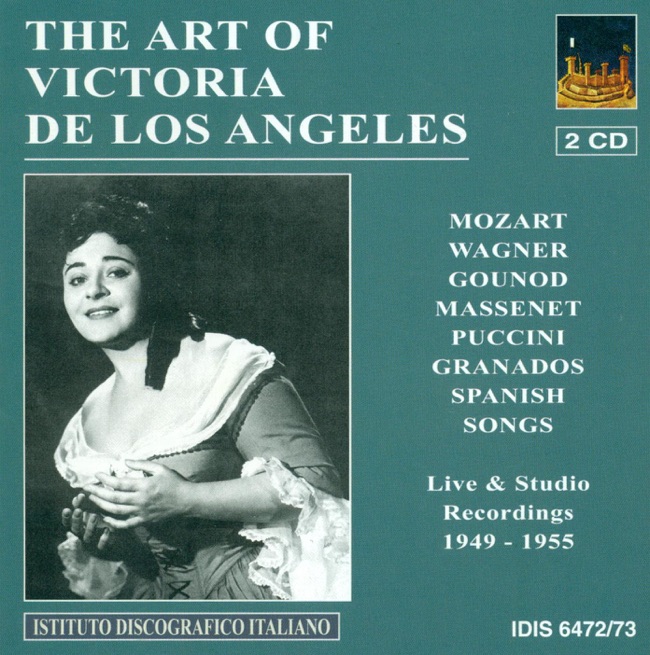
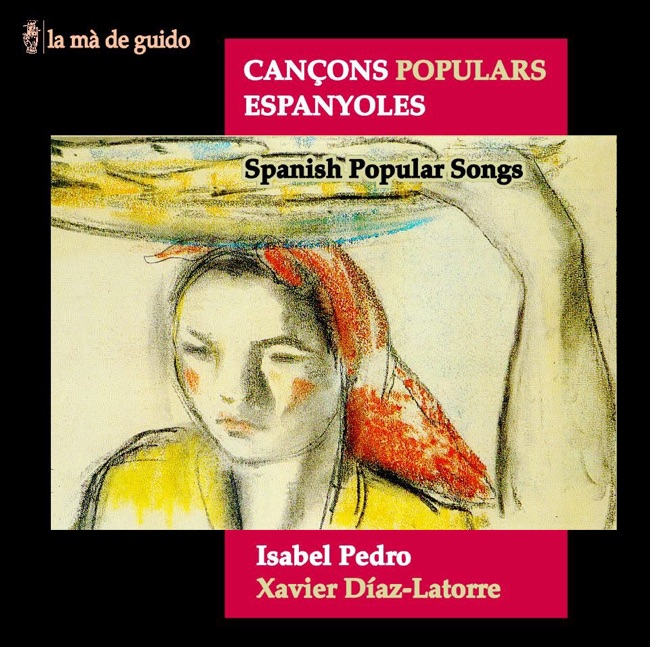
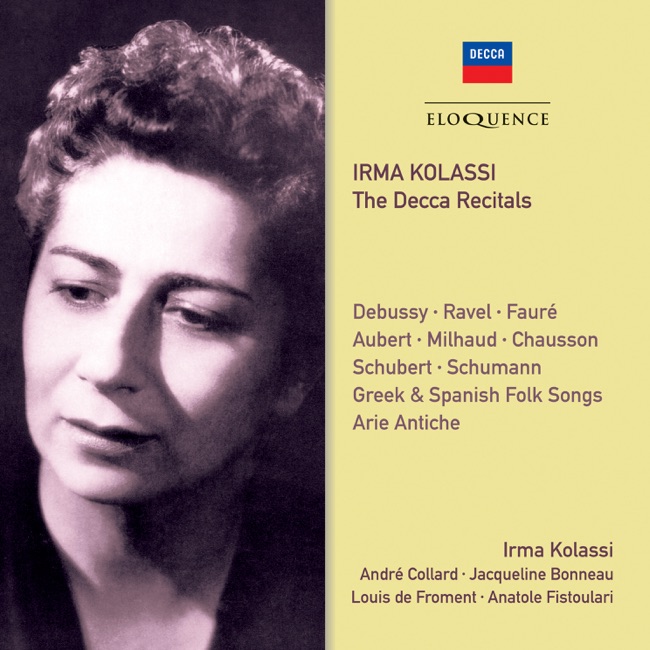
Featured Album


Works Info
Composer:Spanish TraditionalGenre:MiscellaneousStyle:MiscellaneousAverage_duration:2:07"El vito" is a traditional Spanish folk song that has been passed down through generations. The exact date of its composition is unknown, but it is believed to have originated in Andalusia, Spain. The song has been popularized in various forms, including as a flamenco dance and as a classical guitar piece. The premiere of "El vito" is also unknown, as it has been performed and adapted by many different artists over the years. However, it is believed to have gained popularity in the 19th century, when it was often performed by Spanish gypsies. The song is typically performed in three movements, with each movement featuring a different melody and rhythm. The first movement is characterized by a lively, upbeat tempo and a strong emphasis on percussion. The second movement is slower and more melodic, with a focus on the guitar or other stringed instruments. The third movement returns to the lively tempo of the first, with a strong emphasis on clapping and percussion. One of the most distinctive characteristics of "El vito" is its use of call-and-response vocals. The lead singer will often sing a line or phrase, which is then repeated by a chorus of backup singers. This creates a dynamic and engaging performance that encourages audience participation. Another characteristic of "El vito" is its use of traditional Spanish instruments, such as the guitar, castanets, and tambourine. These instruments add to the song's lively and energetic feel, and help to create a distinctly Spanish sound. Overall, "El vito" is a beloved and enduring piece of Spanish folk music. Its catchy melodies, lively rhythms, and traditional instrumentation have made it a favorite of audiences around the world.More....
Works Music
Released Music
2

2:15

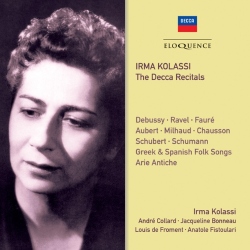
Featured Music