


Spanish Traditional
Released Album
Vocal
-
 November 1, 2023
 -
 July 31, 2020
 -
 June 2, 2017
 -
 October 28, 2016
 -
 January 8, 2016
 -
 May 12, 2015
Miscellaneous
-
 September 12, 2006
 -
 August 8, 2006
 -
 March 30, 2004
Choral
-
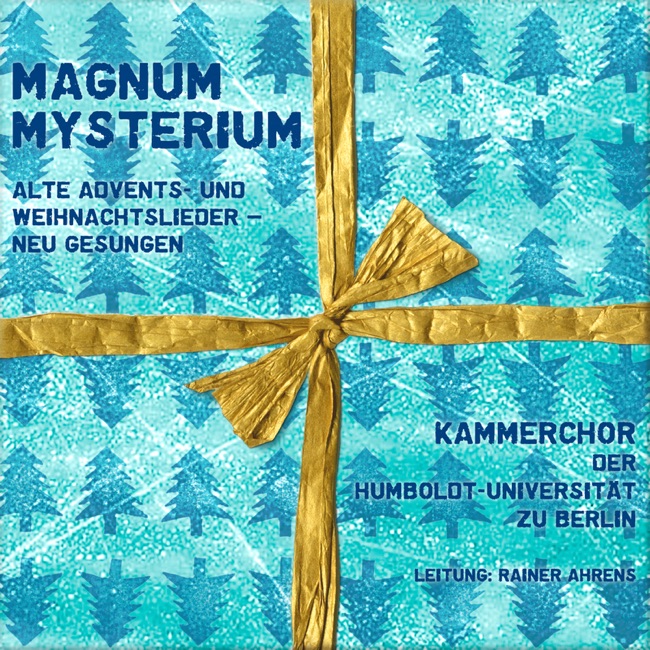 November 24, 2008
Chamber
-
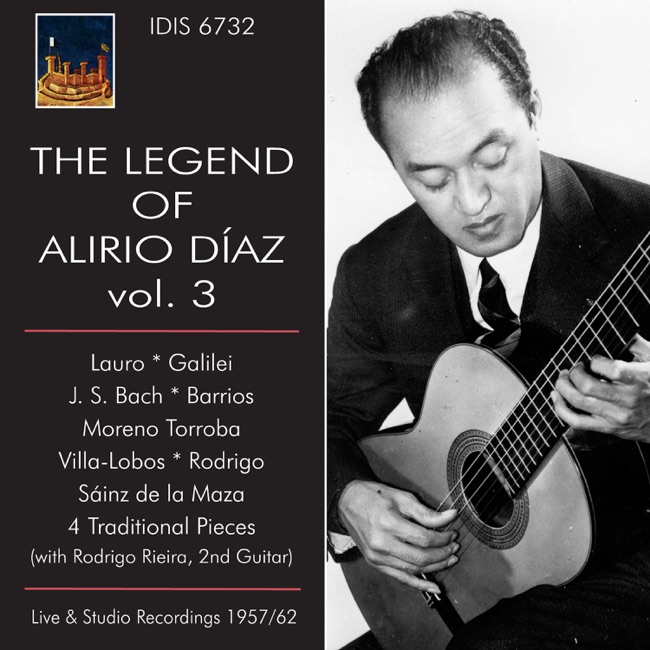 January 5, 2018
 -
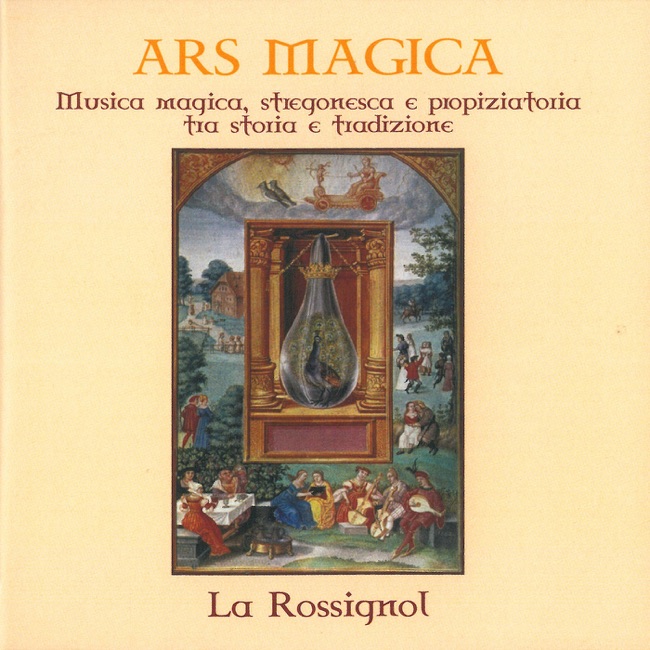 March 17, 2017
 -
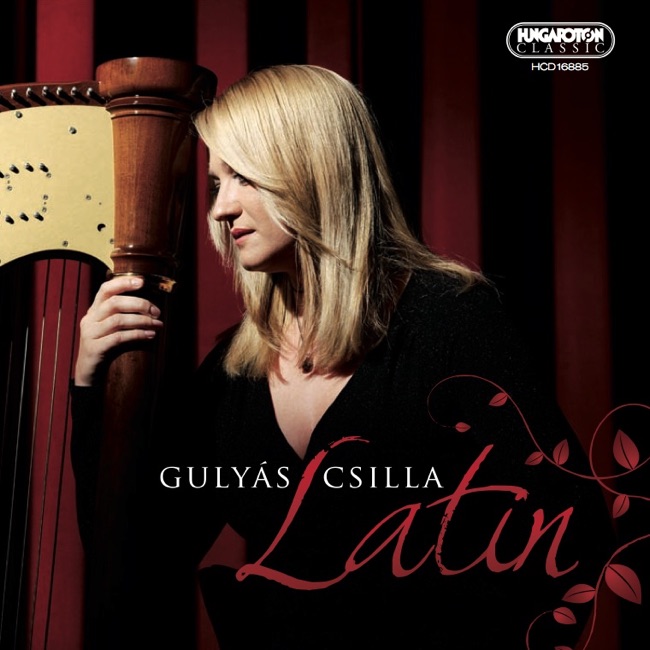 January 1, 2007
Artist Info
Role:ComposerGenre:VocalSpanish Traditional music is a genre of music that has been passed down through generations in Spain. It is a rich and diverse genre that has been influenced by various cultures, including the Moors, the Jews, and the Gypsies. The music is characterized by its use of flamenco guitar, castanets, and the cajón, a percussion instrument. The birth of Spanish Traditional music can be traced back to the 15th century when the Moors ruled Spain. The Moors brought with them their music, which was a fusion of Arabic and African rhythms. This music was then blended with the music of the Jews, who had been living in Spain for centuries. The result was a unique style of music that was both exotic and familiar. Over the centuries, Spanish Traditional music continued to evolve. In the 18th century, the guitar became a popular instrument in Spain, and it was incorporated into the music. The guitar added a new dimension to the music, and it became an essential part of Spanish Traditional music. One of the most significant composers of Spanish Traditional music was Francisco Tárrega. Tárrega was born in Villarreal, Spain, in 1852. He was a self-taught musician who began playing the guitar at a young age. Tárrega's music was heavily influenced by the music of the Romantic era, and he is considered one of the most important composers of guitar music in the 19th century. Tárrega's most famous composition is "Recuerdos de la Alhambra," which he composed in 1896. The piece is a tribute to the Alhambra, a palace and fortress complex in Granada, Spain. The piece is known for its intricate arpeggios and its use of harmonics. "Recuerdos de la Alhambra" is considered one of the most challenging pieces of music for the guitar, and it is still performed by guitarists today. Another significant composer of Spanish Traditional music was Joaquín Rodrigo. Rodrigo was born in Sagunto, Spain, in 1901. He was blind from the age of three, but he showed an early talent for music. Rodrigo's music was heavily influenced by the music of his native Spain, and he is considered one of the most important composers of Spanish music in the 20th century. Rodrigo's most famous composition is the "Concierto de Aranjuez," which he composed in 1939. The piece is a tribute to the Royal Palace of Aranjuez, a palace located outside of Madrid. The piece is known for its beautiful melodies and its use of the guitar. The "Concierto de Aranjuez" is considered one of the most significant works of the 20th century, and it is still performed by orchestras around the world. In addition to Tárrega and Rodrigo, there have been many other significant composers of Spanish Traditional music. These composers include Isaac Albéniz, Manuel de Falla, and Enrique Granados. Albéniz was born in Camprodon, Spain, in 1860. He was a pianist and composer who is best known for his piano works, including "Iberia" and "Suite española." Falla was born in Cádiz, Spain, in 1876. He was a composer who is best known for his ballets, including "The Three-Cornered Hat" and "El amor brujo." Granados was born in Lleida, Spain, in 1867. He was a pianist and composer who is best known for his piano works, including "Goyescas" and "Danzas españolas." In conclusion, Spanish Traditional music is a rich and diverse genre that has been influenced by various cultures over the centuries. The music is characterized by its use of flamenco guitar, castanets, and the cajón.More....

Copyright Ⓒ 2013 Davinci Finger. All rights reseved
Service Terms & Policy