Gabriel Fauré
Arpège in E minor, Op. 76/2
Released Album
Recent Album
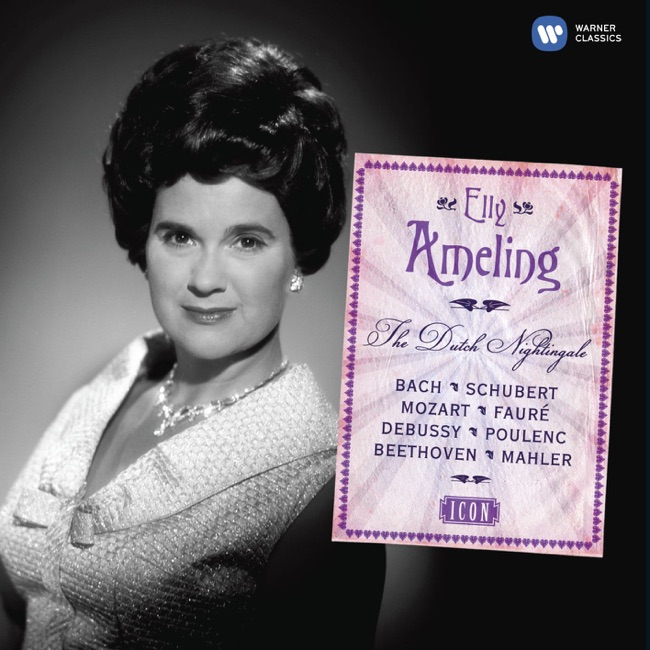
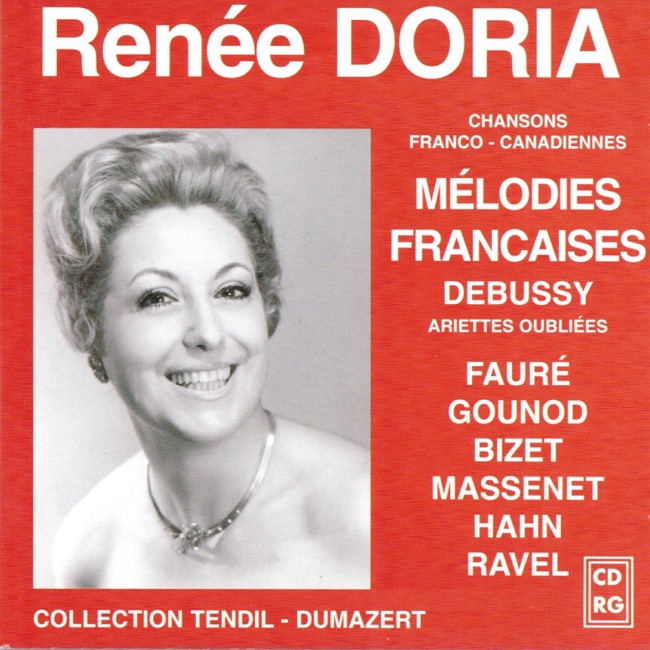
Featured Album
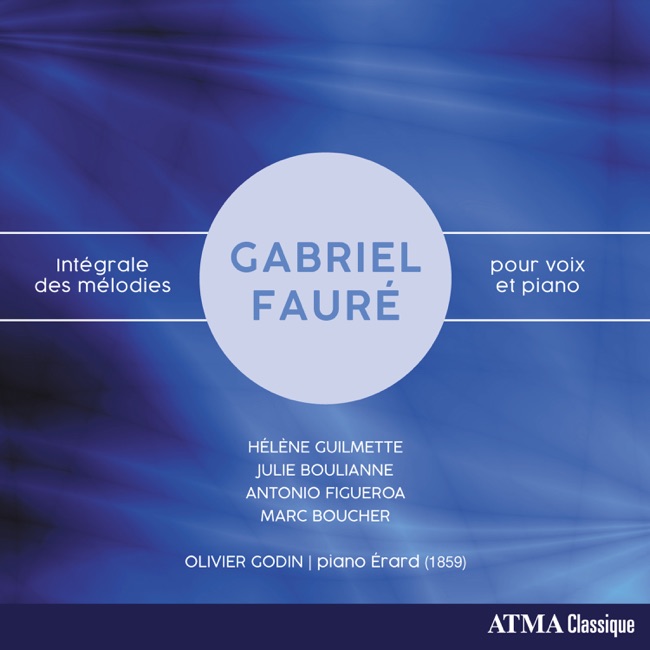
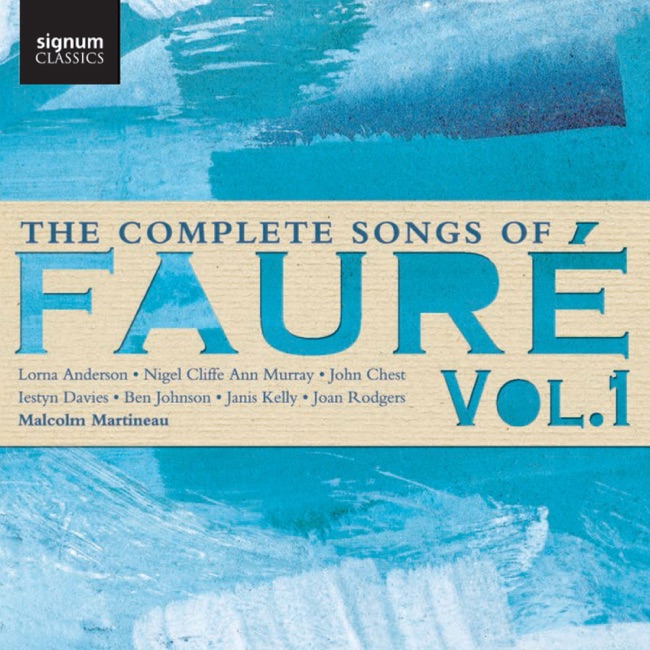
Works Info
Composer:Gabriel FauréGenre:VocalStyle:Song: Art SongCompose Date:1897Publication Date:1897Average_duration:2:20Gabriel Fauré's 'Arpège in E minor, Op. 76/2' is a solo piano piece that was composed in 1898. It was premiered in Paris in the same year by the composer himself. The piece is part of a set of three pieces, collectively known as 'Trois Romances sans paroles' (Three Songs without Words). 'Arpège in E minor' is a short and delicate piece that is characterized by its use of arpeggios, which are broken chords played in a flowing and continuous manner. The piece is in ternary form, with a gentle and melancholic A section that is contrasted by a more lively and playful B section. The A section is marked by a simple and lyrical melody that is accompanied by a gentle and flowing arpeggio in the left hand. The B section, on the other hand, is marked by a more complex and rhythmic melody that is accompanied by a more energetic and lively arpeggio in the left hand. The piece is notable for its use of harmony, which is characterized by Fauré's signature use of chromaticism and modulations. The piece begins in E minor, but it quickly modulates to G major in the B section before returning to E minor in the final section. The use of chromaticism is also evident in the piece's use of dissonant chords and unexpected harmonic shifts. Overall, 'Arpège in E minor' is a beautiful and expressive piece that showcases Fauré's mastery of harmony and melody. Its delicate and flowing arpeggios, combined with its use of chromaticism and modulations, make it a quintessential example of Fauré's unique style.More....
Works Music
Released Music
Featured Music