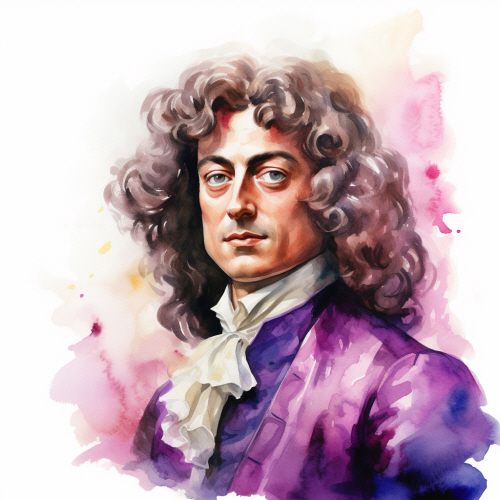
Henry Purcell
Sonata in 4 parts No. 6 in G minor, Z. 807
Released Album
Recent Album
Featured Album
Works Info
Composer:Henry PurcellGenre:ChamberStyle:SonataCompose Date:ca. 1680Average_duration:7:24Henry Purcell's 'Sonata in 4 parts No. 6 in G minor, Z. 807' is a baroque instrumental work composed in the late 17th century. The exact date of composition is unknown, but it is believed to have been written around 1683-1684. The piece was first premiered in London, England, and was likely performed by a small ensemble of string instruments. The 'Sonata in 4 parts No. 6 in G minor, Z. 807' is comprised of four movements: a slow introduction, a fast allegro, a slow adagio, and a final allegro. The piece is written for two violins, viola, and basso continuo (usually played on a cello and harpsichord). The use of the basso continuo was a common feature of baroque music, providing a harmonic foundation for the other instruments to play over. The first movement of the sonata is a slow introduction, marked "Adagio." It features a mournful melody played by the violins, with the viola and basso continuo providing a somber accompaniment. The second movement is a fast allegro, marked "Allegro ma non troppo." This movement is lively and energetic, with the violins playing fast, intricate melodies over a driving bass line. The third movement is a slow adagio, marked "Adagio e piano." This movement is more introspective and contemplative than the previous two, with the violins playing a gentle, melancholy melody over a simple accompaniment. The final movement is another allegro, marked "Allegro moderato." This movement is more restrained than the second, with a more measured tempo and a more complex harmonic structure. Overall, the 'Sonata in 4 parts No. 6 in G minor, Z. 807' is a fine example of baroque instrumental music. It showcases Purcell's skill as a composer, with its intricate melodies, complex harmonies, and varied textures. The piece is notable for its use of the basso continuo, which was a hallmark of baroque music, and for its expressive use of the violin, which was rapidly becoming one of the most important instruments of the time.More....
Works Music
Released Music
1
Sonata in 4 parts No. 6 in G minor, Z. 807
Sonata in G minor, Z. 807 (Ten Sonatas in Four Parts)
7:12
2
6:42
3
Sonata in 4 parts No. 6 in G minor, Z. 807
Sonata in Four Parts No. 6 in G minor (Chaconne), Z. 807
8:14
9
6:34
10
6:29
Featured Music