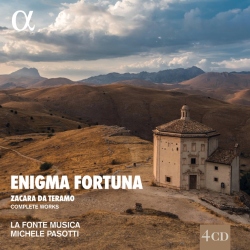
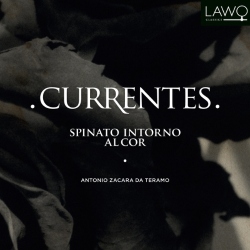
Antonio Zacara da Teramo
Mò movit'a pietade
Released Album
Recent Album
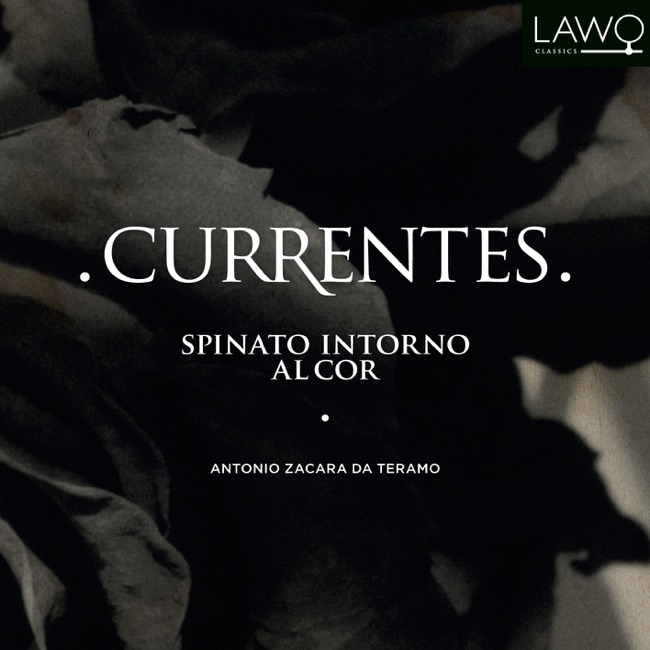
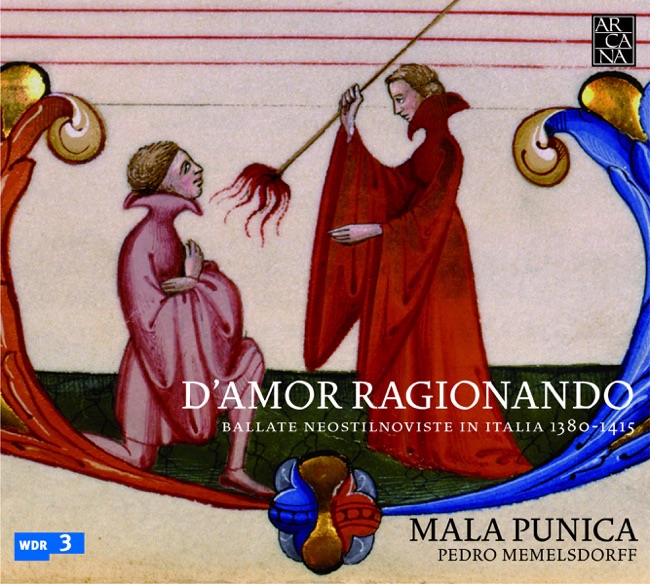
Featured Album
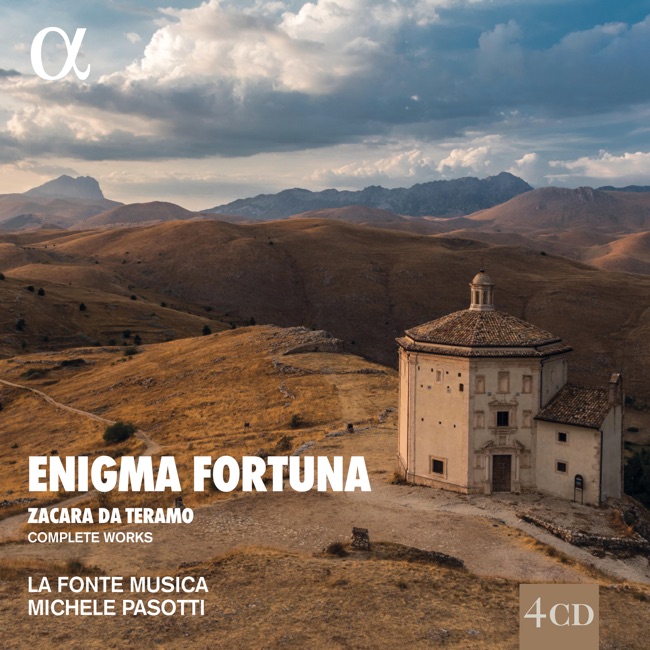
Works Info
Composer:Antonio Zacara da TeramoGenre:VocalStyle:Vocal MusicCompose Date:before 1410Publication Date:1977Antonio Zacara da Teramo was an Italian composer of the late medieval period. He is known for his secular and sacred compositions, including the famous madrigal "Mò movit'a pietade." "Mò movit'a pietade" is a four-voice madrigal that was composed in the early 15th century. It is believed to have been written around 1415, during the time when Zacara was working in the court of the Duke of Milan. The madrigal is written in the Italian language and is characterized by its expressive and emotional qualities. It is a lamentation that tells the story of a woman who is mourning the loss of her lover. The text is filled with vivid imagery and powerful emotions, making it a popular piece among audiences of the time. The madrigal is divided into three movements, each with its own distinct character. The first movement is slow and mournful, with the voices singing in a homophonic texture. The second movement is more lively and rhythmic, with the voices singing in a polyphonic texture. The final movement returns to the mournful character of the first, with the voices singing in a homophonic texture once again. One of the most notable characteristics of "Mò movit'a pietade" is its use of dissonance. Zacara employs dissonant harmonies and unexpected chord progressions to create a sense of tension and emotional intensity. This was a common technique in madrigals of the time, and it helped to establish the genre as a powerful and expressive form of music. Overall, "Mò movit'a pietade" is a beautiful and moving piece of music that showcases Zacara's skill as a composer. Its emotional depth and expressive qualities have made it a beloved work of the medieval period, and it continues to be performed and studied by musicians and scholars today.More....
Works Music
Released Music

Featured Music