


Heinrich Schütz
Aus der Tiefe (Psalm 130), SWV 25 (Op. 2/4)
Released Album
Recent Album

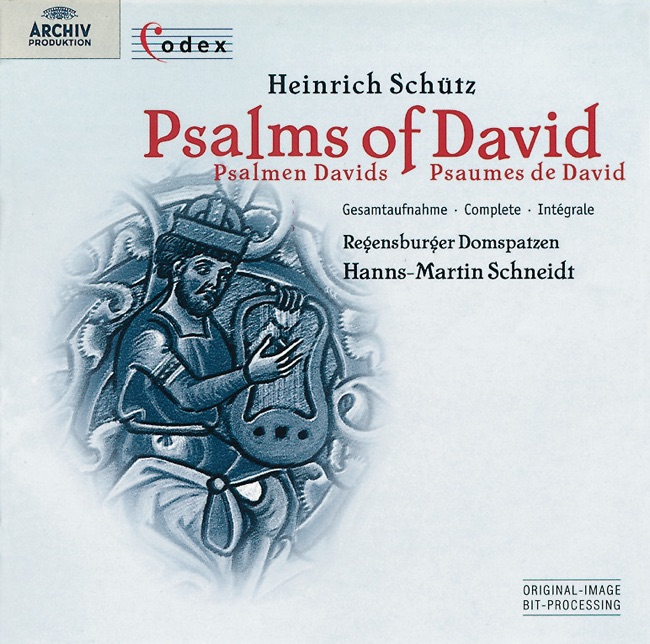
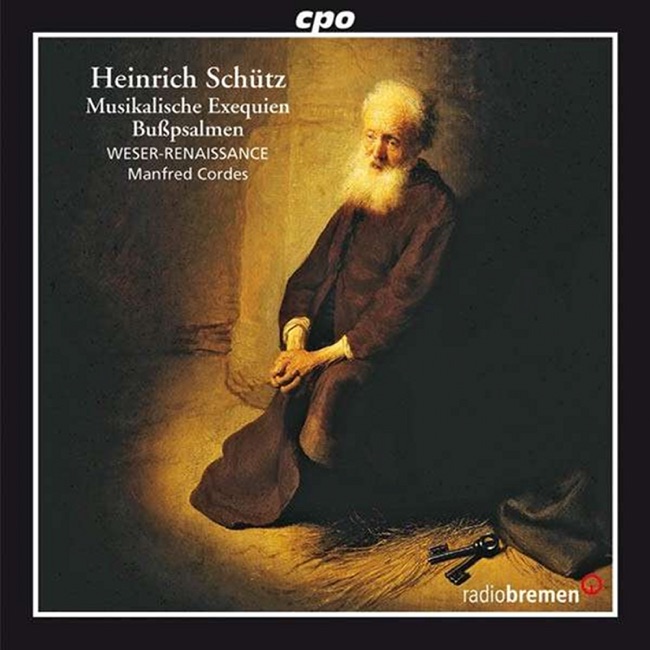
Featured Album
Works Info
Composer:Heinrich SchützGenre:ChoralStyle:PsalmPublication Date:1619Average_duration:4:39Heinrich Schütz's 'Aus der Tiefe (Psalm 130), SWV 25 (Op. 2/4)' is a sacred choral work that was composed in 1619. It is a setting of Psalm 130, which is also known as the De Profundis. The work was premiered in Dresden, Germany, in the same year it was composed. The work is divided into two movements. The first movement is a setting of the first four verses of the Psalm, and the second movement is a setting of the last three verses. The first movement is marked by a sense of deep sorrow and longing, while the second movement is more hopeful and uplifting. The work is characterized by Schütz's use of chromaticism and dissonance to convey the emotional depth of the text. The opening phrase of the work, "Aus der Tiefe rufe ich, Herr, zu dir" (Out of the depths I cry to you, O Lord), is set to a descending chromatic line that creates a sense of despair and hopelessness. The use of dissonance in the work is also notable, particularly in the first movement, where Schütz employs dissonant suspensions and unresolved chords to create a sense of tension and unease. Despite its somber tone, 'Aus der Tiefe' is also a work of great beauty and emotional power. Schütz's use of harmony and counterpoint is masterful, and the work is a testament to his skill as a composer of sacred music. It remains a popular work in the choral repertoire to this day, and is often performed in churches and concert halls around the world.More....
Works Music
Released Music
1
4:3

4
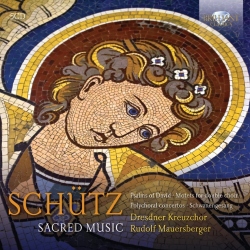
From the Deep (Psalm 130), SWV 25 (Op. 2/4)
Aus der Tiefe ruf' ich, Herr, zu dir, for 2 four-part choirs and b.c., SWV 25
5:9
5
From the Deep (Psalm 130), SWV 25 (Op. 2/4)
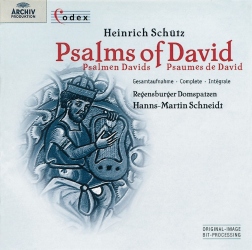
4. Der 130. Psalm "Aus der Tiefe ruf ich, Herr, zu dir", SWV 25
3:51
7
3:52
Featured Music
2
From the Deep (Psalm 130), SWV 25 (Op. 2/4)
Aus der Tiefe ruf ich, Herr, zu dir (Ps. 130) à 8 Psalmen Davids 1619, Nr. 4, SWV 25
3:48
Main Perform Artists