


George Enescu
Concert Overture "sur des thèmes dans le caractèe populaire roumain", Op. 32
Released Album
Recent Album
Featured Album
Works Info
Composer:George EnescuGenre:OrchestralStyle:Overture: ConcertCompose Date:Sep 11, 1948First Performance:Jan 23, 1949Average_duration:9:32George Enescu's Concert Overture sur des thèmes dans le caractère populaire roumain, Op. 32, is a vibrant and colorful work that showcases the composer's deep connection to the folk music of his native Romania. The piece was composed in 1921 and premiered the following year in Paris, with Enescu conducting the Orchestre Symphonique de Paris. The Concert Overture is divided into three distinct movements, each of which draws on different elements of Romanian folk music. The first movement, marked Allegro moderato, is based on a lively dance known as the hora, which is characterized by its fast tempo and irregular meter. Enescu's treatment of the melody is highly virtuosic, with the orchestra weaving in and out of the solo violin's intricate lines. The second movement, marked Andante, is a more introspective and melancholy affair, drawing on the plaintive melodies of the doina, a type of Romanian ballad. The solo violin once again takes center stage, with the orchestra providing a rich and evocative backdrop of muted strings and woodwinds. The final movement, marked Allegro vivace, returns to the energetic and celebratory mood of the first movement, with the orchestra and soloist engaging in a lively call-and-response dialogue. The melody is based on a popular Romanian folk song known as "Pe loc," which is often performed at weddings and other festive occasions. Throughout the Concert Overture, Enescu demonstrates his mastery of orchestration, using a wide range of colors and textures to bring the folk melodies to life. He also incorporates elements of Romanian folk dance rhythms and harmonies, giving the piece a distinctly nationalistic flavor. Overall, the Concert Overture sur des thèmes dans le caractère populaire roumain is a vibrant and engaging work that showcases Enescu's deep love for his native culture and his skill as a composer. Its premiere in Paris helped to establish Enescu as one of the leading figures of the early 20th-century musical avant-garde, and it remains a beloved and frequently performed work to this day.More....
Works Music
Released Music
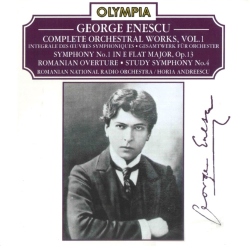
Featured Music
1
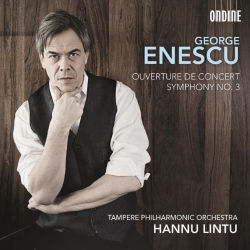
Concert Overture "on themes in the Romanian popular character", Op. 32
Ouverture de concert sur des thèmes dans la caractère populaire roumain, Op. 32
9:21