


Franz Schubert
Tantum Ergo in E flat major, D. 962
Released Album
Recent Album
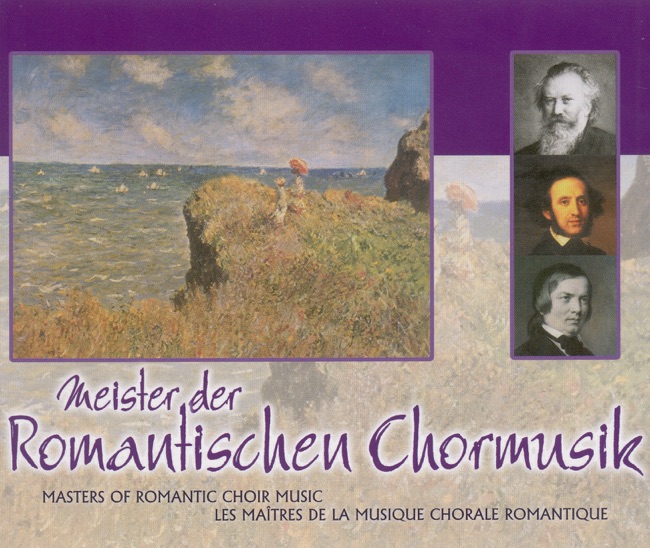
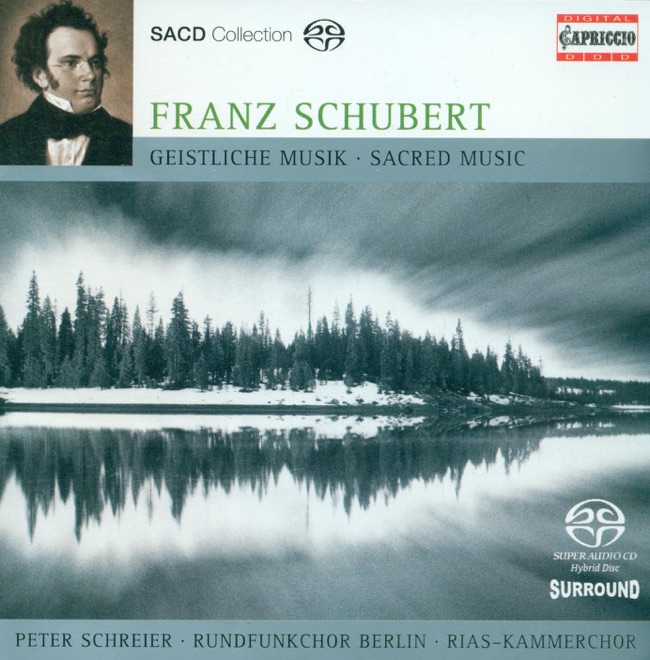
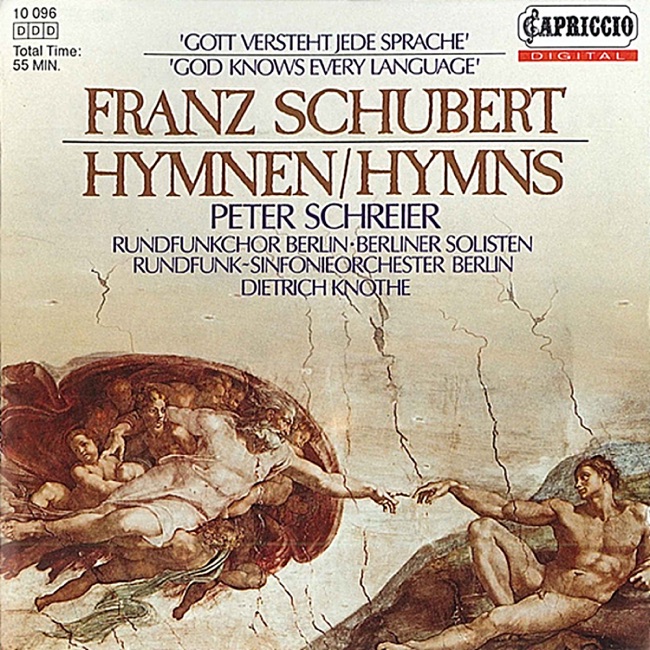
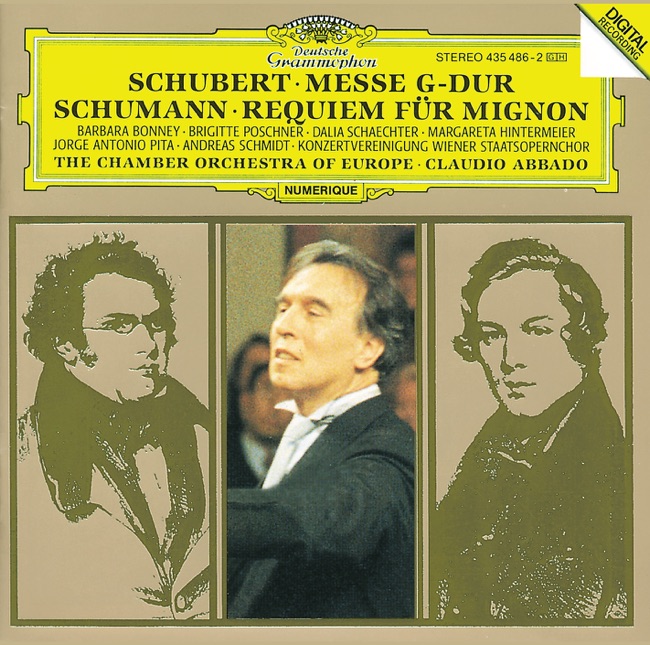
Featured Album
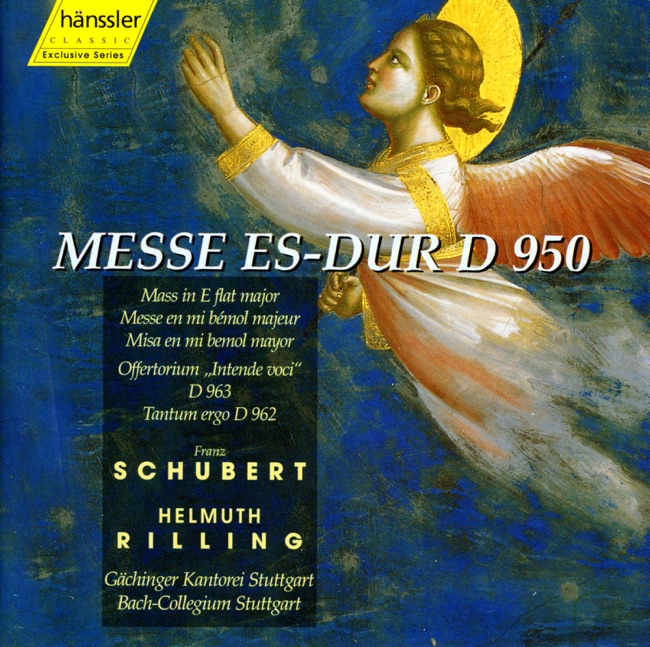
Works Info
Composer:Franz SchubertGenre:ChoralStyle:ChoralCompose Date:Oct 1828Average_duration:5:39Franz Schubert's 'Tantum Ergo in E flat major, D. 962' is a sacred choral work composed in 1828, just a few months before his death. It was premiered on October 7, 1828, at the Church of St. Nikolaus in Oberndorf, Austria. The piece is divided into three movements: 'Tantum Ergo', 'Pange Lingua', and 'Ave Verum Corpus'. The first movement, 'Tantum Ergo', is a hymn of praise to the Holy Eucharist. It begins with a solemn and majestic introduction, followed by a fugue that builds to a powerful climax. The second movement, 'Pange Lingua', is a hymn of praise to the Holy Trinity. It features a beautiful melody that is passed between the different sections of the choir. The final movement, 'Ave Verum Corpus', is a hymn of praise to the body of Christ. It is a simple and tender piece that showcases Schubert's gift for melody. The characteristics of 'Tantum Ergo in E flat major, D. 962' are typical of Schubert's late style. The piece is characterized by its rich harmonies, expressive melodies, and dramatic contrasts. Schubert's use of counterpoint and fugue in the first movement is particularly impressive, and shows his mastery of the Baroque style. The second movement is notable for its use of chromaticism and modulation, which create a sense of mystery and awe. The final movement is a beautiful example of Schubert's gift for melody, and is a fitting conclusion to the piece. Overall, 'Tantum Ergo in E flat major, D. 962' is a masterpiece of sacred choral music. It showcases Schubert's skill as a composer, and his deep faith and reverence for the Catholic Church. Its premiere in 1828 was a fitting tribute to one of the greatest composers of the Romantic era.More....
Works Music
Released Music
7
3:56
8
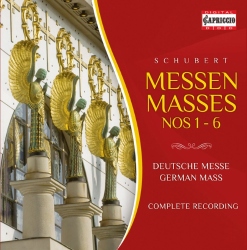
5:35
9
5:37
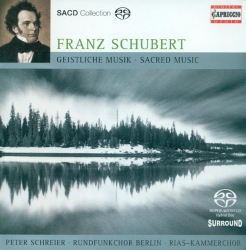
Featured Music
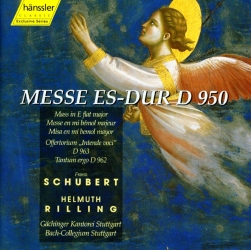
Main Perform Artists
Soprano Vocal
Bass Vocal
Contralto Vocal
Tenor Vocal
Tenor Vocal