Johann Gottfried Müthel
Sonata for flute & continuo in D major
Released Album
Recent Album
-
-
 Various ArtistsNovember 27, 2012
 -
-
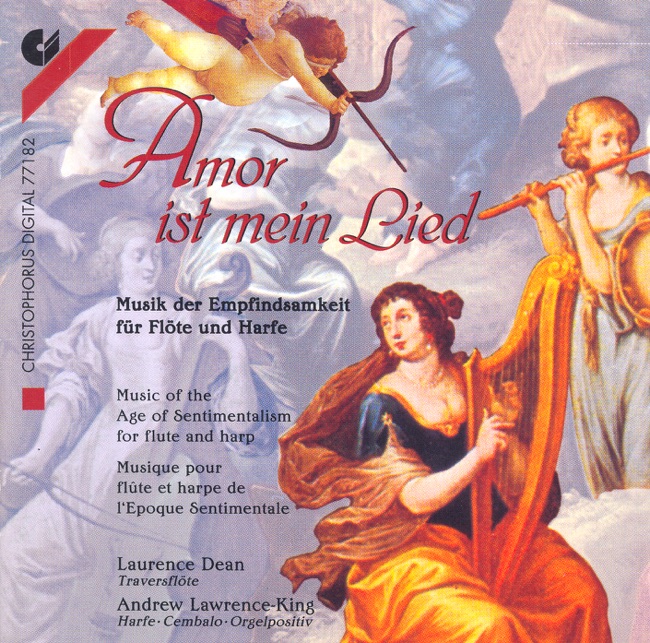
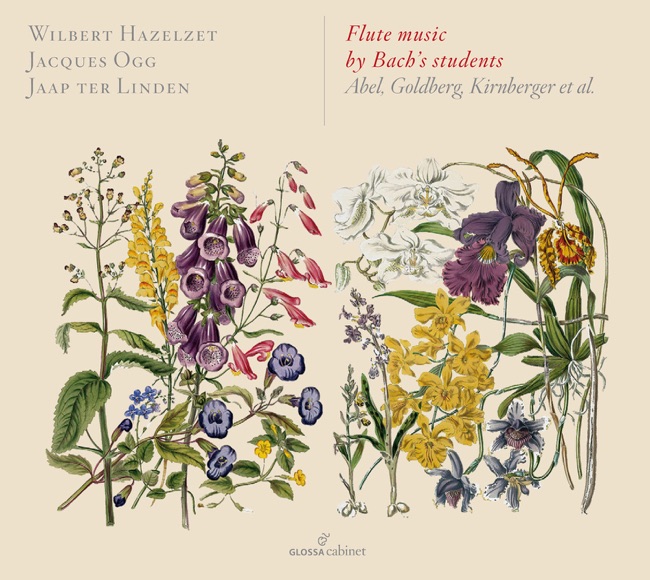
Featured Album
Works Info
Composer:Johann Gottfried MüthelGenre:ChamberStyle:SonataAverage_duration:14:46Movement_count:3Movement ....Johann Gottfried Müthel's Sonata for flute & continuo in D major was composed in the mid-18th century. The exact date of composition is unknown, but it is believed to have been written between 1750 and 1760. The sonata was premiered in Müthel's hometown of Riga, Latvia, where he served as the court organist. The sonata consists of three movements: Allegro, Adagio, and Allegro. The first movement, Allegro, is in a fast tempo and features a lively and energetic melody. The flute and continuo engage in a playful dialogue, with the flute taking the lead in the virtuosic passages. The second movement, Adagio, is a slow and lyrical piece that showcases the flute's expressive capabilities. The continuo provides a gentle accompaniment, creating a serene and peaceful atmosphere. The final movement, Allegro, returns to the fast tempo of the first movement. It features a lively and cheerful melody that is passed between the flute and continuo. The movement ends with a virtuosic flourish from the flute. The sonata is characteristic of the galant style, which was popular in the mid-18th century. This style emphasized elegance, simplicity, and clarity of form. Müthel's sonata reflects these characteristics, with its clear and concise structure, simple harmonies, and elegant melodies. The sonata also showcases the flute's capabilities as a solo instrument, with its virtuosic passages and expressive melodies. Overall, Johann Gottfried Müthel's Sonata for flute & continuo in D major is a charming and delightful work that reflects the galant style of the mid-18th century. Its playful and virtuosic passages, lyrical melodies, and elegant structure make it a favorite among flutists and audiences alike.More....
Works Music
Released Music
1
5:43
2
5:24
3
5:22
Featured Music