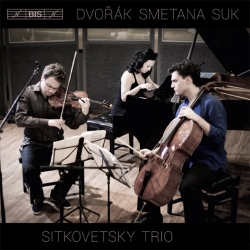
Josef Suk
Elegie for piano, violin & cello, Op. 23
Released Album
Recent Album
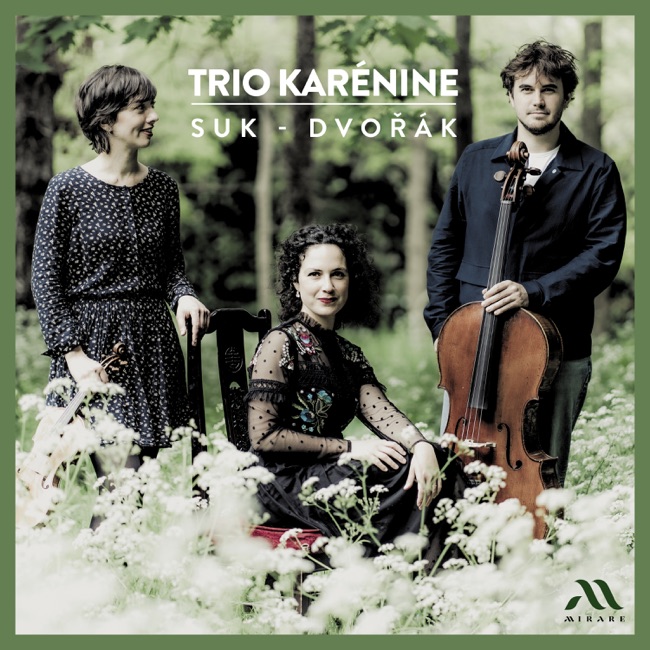
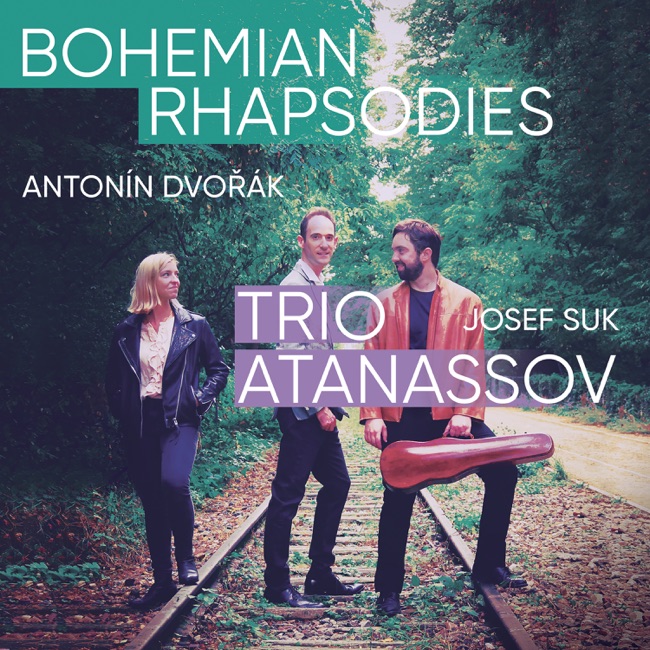

Featured Album
Works Info
Composer:Josef SukGenre:ChamberStyle:ElegyCompose Date:1902Average_duration:6:06"Elegie for piano, violin & cello, Op. 23" is a chamber music piece composed by Josef Suk, a Czech composer and violinist. The piece was composed in 1902, during a period when Suk was heavily influenced by the music of his mentor and father-in-law, Antonín Dvořák. The piece premiered on January 27, 1902, in Prague, with Suk himself playing the violin, together with cellist Hanuš Wihan and pianist Karel Hoffmann. The premiere was a great success, and the piece has since become one of Suk's most popular works. The "Elegie" is a single-movement piece, lasting around 10 minutes. It is characterized by its mournful and melancholic tone, which is conveyed through the use of slow tempos, expressive melodies, and rich harmonies. The piece is written in the key of D-flat major, which adds to its somber and introspective mood. The piece is structured around a simple A-B-A form, with the opening and closing sections featuring a lyrical and expressive melody played by the violin and cello, accompanied by the piano. The middle section, marked "Poco meno mosso," features a more agitated and restless theme, which gradually builds in intensity before returning to the opening theme. One of the most striking features of the "Elegie" is its use of counterpoint, with the three instruments weaving intricate and interlocking melodies throughout the piece. This creates a sense of unity and coherence, while also allowing each instrument to shine in its own right. Overall, the "Elegie for piano, violin & cello, Op. 23" is a deeply emotional and introspective work, which showcases Suk's skill as a composer and his ability to convey complex emotions through music.More....
Works Music
Released Music

Featured Music