


Heinrich Schütz
Haus und Güter erbet man von Eltern, SWV 21
Released Album
Recent Album
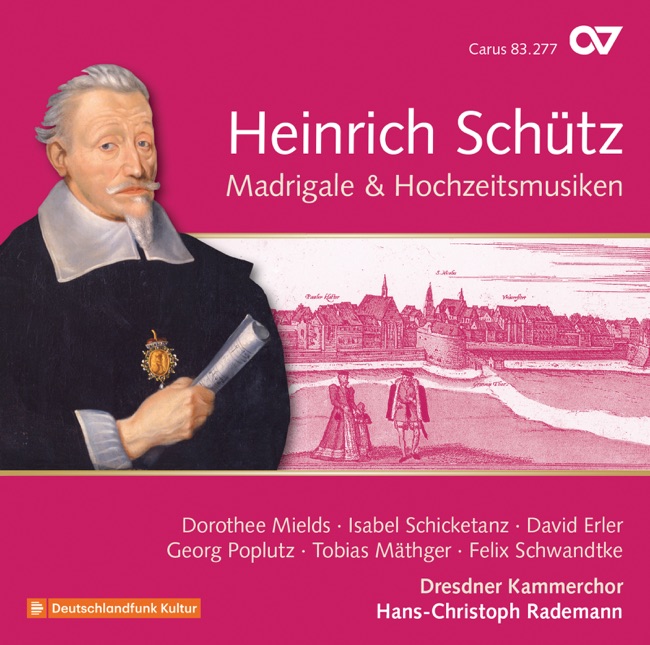
Works Info
Composer:Heinrich SchützGenre:ChoralStyle:PsalmCompose Date:before Jun 15, 1618Publication Date:1619Average_duration:3:54Heinrich Schütz's 'Haus und Güter erbet man von Eltern' (SWV 21) is a sacred vocal work composed in the early 17th century. The piece is part of Schütz's collection of sacred works known as the 'Symphoniae Sacrae', which was published in three volumes between 1629 and 1650. The premiere of 'Haus und Güter erbet man von Eltern' is not known, but it is believed to have been composed in the early 1630s. The work is written for five voices (SSATB) and basso continuo, and is based on a text from the book of Sirach in the Old Testament. The piece is divided into three movements. The first movement is a lively and joyful setting of the text, which speaks of the importance of children honoring their parents and inheriting their possessions. The second movement is a slower and more contemplative setting of the text, which reflects on the fleeting nature of life and the importance of living a virtuous life. The final movement returns to the joyful mood of the first movement, with a lively and celebratory setting of the text. One of the characteristics of Schütz's music is his use of harmony and counterpoint to convey the meaning of the text. In 'Haus und Güter erbet man von Eltern', Schütz uses lively and joyful harmonies in the first and third movements to convey the importance of honoring one's parents and inheriting their possessions. In the second movement, he uses more contemplative harmonies to reflect on the fleeting nature of life. Overall, 'Haus und Güter erbet man von Eltern' is a beautiful and uplifting piece of sacred music that showcases Schütz's mastery of harmony and counterpoint. Its joyful and celebratory mood makes it a popular choice for performances in churches and concert halls around the world.More....
Works Music
Released Music
1
House and goods are inherited from parents, SWV 21
Haus und Güter erbet man von Eltern SWV 21
4:37
3
3:51